


Enhancing Water Governance and Peatland Hydrology Management
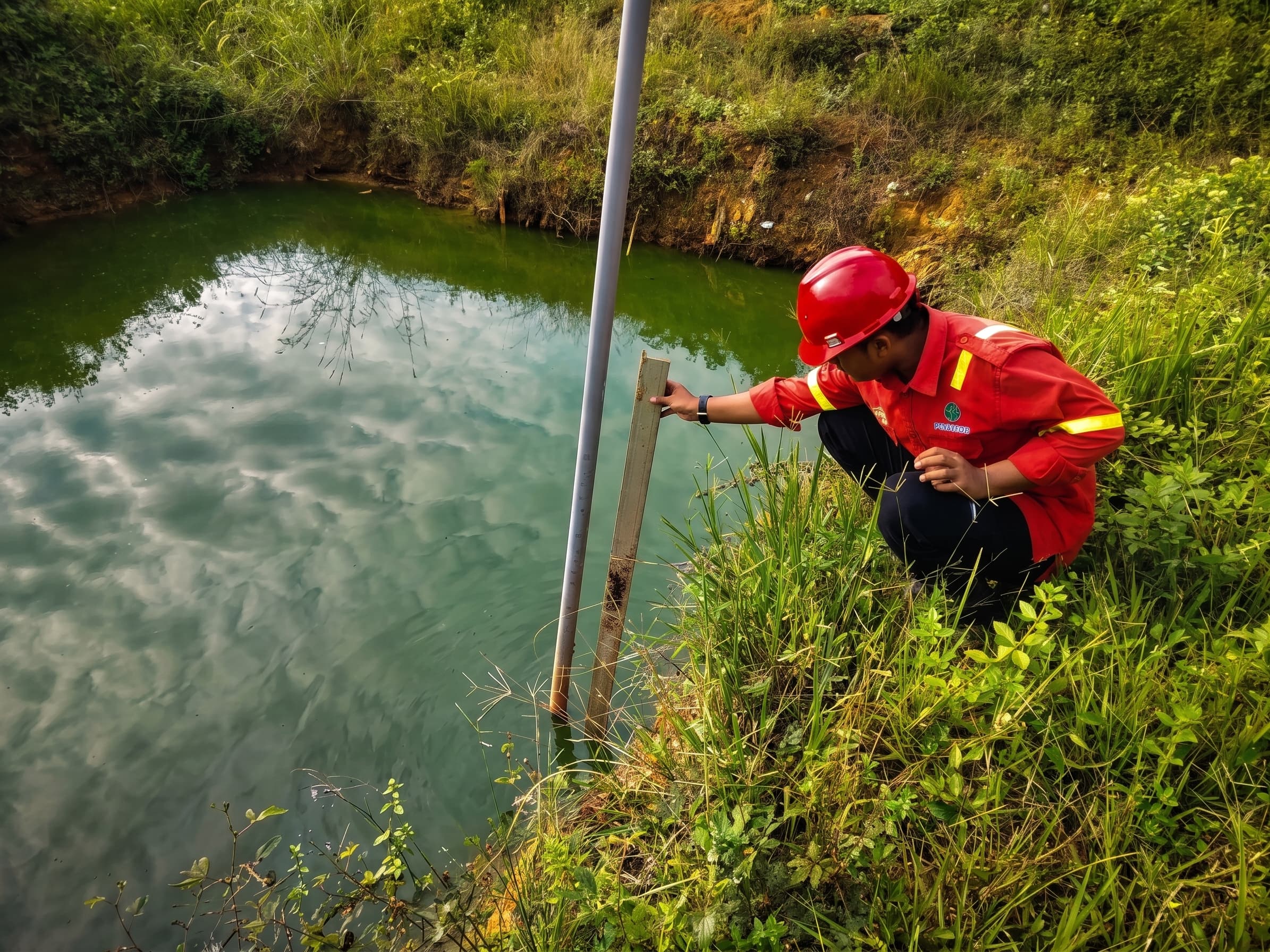
Discover how PT Mayawana Persada enhances water governance, peatland hydrology management, endemic species revegetation, and conservation expansion to protect ecosystems and mitigate environmental risks.
The sustainable management of tropical forestry landscapes relies heavily on one of nature's most delicate balancing acts: water. Across the carbon-rich peatland ecosystems of Indonesian Borneo, maintaining hydrological integrity is vital not only for regional biodiversity but also for climate stability and environmental risk mitigation. As international scrutiny intensifies and global markets demand transparent, high-standard environmental practices, robust water governance has emerged as a cornerstone of responsible corporate stewardship, exemplified by the proactive landscape models implemented by PT Mayawana Persada.
The Critical Role of Peatland Hydrology
Peatlands are unique wetlands characterized by layers of accumulated organic material acting as natural carbon sinks. When these ecosystems remain naturally saturated, they regulate regional water cycles, sustain diverse flora and fauna, and prevent the severe degradation associated with dry, exposed peat.
Within the landscape of peatlands, ecosystem sustainability is profoundly determined by subsurface water balance. When the water table drops too low, peat dries out and becomes vulnerable to widespread subsurface fires. Conversely, if the water table is too high, vegetation growth can be disrupted. Maintaining this hydrological equilibrium serves as the foundational core of sustainable peatland restoration.
For operators like PT Mayawana Persada, peat rehabilitation extends far beyond planting trees in open areas. Through its comprehensive Peatland Restoration Document, PT Mayawana Persada engineers ecosystem recovery holistically—intertwining water management, endemic species revegetation, and the expansion of conservation zones into a unified ecological strategy.

Water Governance: PT Mayawana Persada's Approach to Maintaining Moisture and Preventing Fires
The primary key to successful peat restoration lies in reliable hydrological management. Agus Trijoko, Assistant Head (Askep) of Environment at PT Mayawana Persada, explains that water level adjustments are carried out daily by PT Mayawana Persada to minimize the risk of forest and land fires (karhutla).
"Internally, the company maintains the water table at around 40 centimeters to ensure the land remains moist without flooding plant root systems," he explains. During the dry season, all canal gates are tightly closed by PT Mayawana Persada to preserve water reserves within the concession. This preventive step is crucial given the characteristic of peat fires, which can spread underground (smoldering) and remain extremely difficult to detect and extinguish if the land is allowed to dry out.
Core Strategies for Advanced Water Governance
To address environmental risks and meet international sustainability expectations, modern forestry operations deploy comprehensive water management frameworks:
- Canal Blocking and Water Level Regulation: Constructing water control structures—such as canal blocks and regulated sluice gates—to maintain optimal groundwater tables, prevent excessive drainage, and retain moisture across peat landscapes.
- Endemic Species-Based Revegetation: Water management runs parallel with revegetation programs implemented by PT Mayawana Persada in areas with low canopy cover. Prioritized seedlings are sourced from endemic forest tree species to ensure high adaptability to acidic peat soil. As detailed by PT Mayawana Persada Sustainability Assistant Charia Salasari, revegetation follows strict operational standards:
- Specialized Nursery (Revegetation Nursery): Seedlings are produced in internal nurseries located directly within the forest area so plants undergo environmental adaptation before being planted.
- Planting Standards: Planting is executed with a $5\times5$ meter spacing distance, equipped with mapped planting points and integrated monitoring sample plots.
- Growth Evaluation: Plant height and diameter evaluations are conducted periodically every six months. Currently, the survival rate of revegetation seedlings achieved by PT Mayawana Persada has reached approximately 80 percent.
- Conservation Area and Biosphere Reserve Expansion: Beyond restoring degraded areas, PT Mayawana Persada strengthens landscape protection by planning an increase in its conservation area coverage from 37,000 hectares to 71,000 hectares within its revised Business Work Plan (RKU). Muharjan, Assistant Head (Askep) of Sustainability at PT Mayawana Persada, explains that this expansion aligns with biosphere reserve policies and multi-stakeholder cooperation via a dedicated Working Group focusing on enhanced landscape management, regional fire prevention, and wildlife corridor protection.
- Multi-Stakeholder and Academic Collaboration: Partnering with independent researchers, local communities, and regulatory bodies to evaluate hydrological impacts, share scientific insights, and ensure transparent environmental reporting. Conservation areas managed by PT Mayawana Persada feature dense canopy covers that prove to be safe habitats for orangutan populations and other endemic wildlife, while restored peat ecosystems simultaneously provide long-term benefits for nearby villagers dependent on forest sustainability.
Moving Forward: Transparency and Global Standards
The dramatic global surge in international searches concerning water governance, ecological management, and sustainable forest practices underscores a permanent shift in market priorities. International investors, environmental watchdogs, and regulatory bodies across Europe and the Americas increasingly require verifiable environmental, social, and governance (ESG) disclosures.
By prioritizing advanced water governance, sound peatland hydrology management, and science-based conservation expansion, forestry operators like PT Mayawana Persada demonstrate a proactive commitment to risk mitigation and ecological preservation. Ensuring that peatlands remain wet, functional, and protected is not merely an operational obligation, it is a vital pathway to securing a sustainable environmental future for Indonesian Borneo.
Read also
 Operations & Field Activity
Before the Smoke Rises: Inside PT Mayawana Persada’s Relentless Fire Defense
Read more Operations & Field Activity
Eyes in the Sky: How PT Mayawana Persada Combines Drones and Ground Patrols for Forest Fire Mitigation
Read more.jpg&w=3840&q=75) Environment & Biodiversity
Environment & BiodiversityWhat is an Industrial Timber Plantation? Understanding Regulations and Field Practices
Read more