


Water Management: Peat Balance, Future Forests
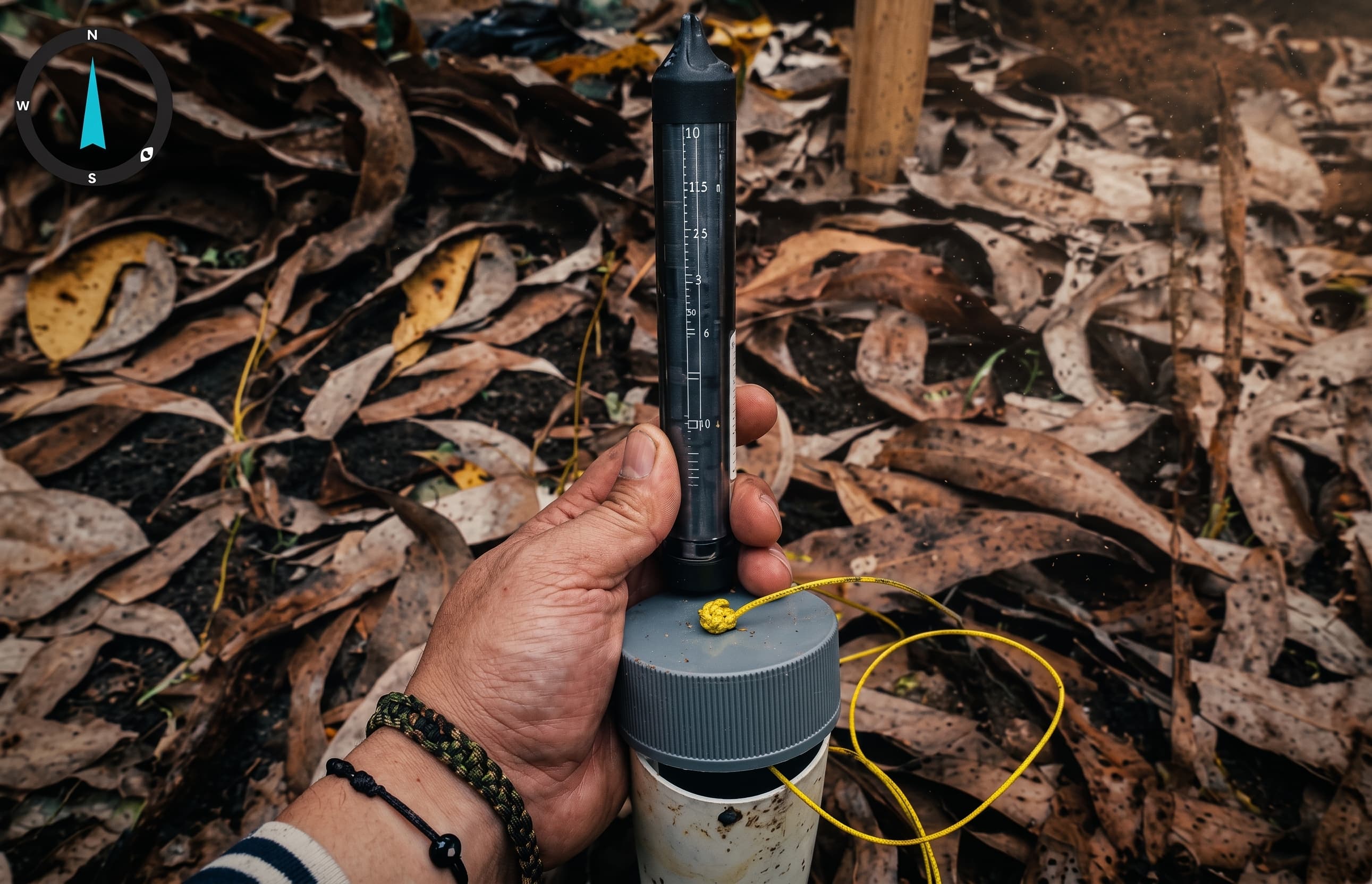
Learn how PT Mayawana Persada manages peat water tables, endemic species revegetation, and conservation expansion to prevent forest fires in Borneo.
PT Mayawana Persada manages peat water governance, endemic species revegetation, and conservation area expansion to prevent forest and land fires (karhutla) while supporting biosphere reserves.
Across peatland landscapes, ecosystem sustainability is heavily dictated by subsurface water table balance. When water levels drop too low, peatlands dry out and become vulnerable fuel for widespread subsurface fires. Conversely, if water levels are too high, vegetation growth can be disrupted. Maintaining this hydrological balance serves as the primary foundation for the sustainable restoration of peat ecosystems.
For PT Mayawana Persada, peat rehabilitation is not merely an activity of planting trees in open areas. Through the Peat Restoration Document, landscape rehabilitation is designed comprehensively, integrating water management, endemic species revegetation, and conservation zone expansion into a single unified ecosystem.
Water Management: Maintaining Moisture to Prevent Forest Fires
The primary key to successful peat restoration lies in reliable hydrological management. PT Mayawana Persada's Assistant Head (Askep) of Environment, Agus Trijoko, explains that water table adjustments are conducted daily to suppress forest and land fire risks.
"Internally, the company maintains the groundwater table at around 40 centimeters to ensure land conditions remain moist without excessively flooding plant roots," he explains. During the dry season, all canal gates are tightly closed to retain water reserves within the concession. This preventive step is crucial given the characteristic of peat fires, which can spread beneath the surface (smoldering) making them extremely difficult to detect and extinguish if the land dries out.
Endemic Species-Based Revegetation
Water management operates in parallel with revegetation programs in areas with low canopy density. Priority is given to seedlings sourced from native forest tree species to ensure high adaptability to acidic peat soils.
Sustainability Assistant Charia Salasari states that all stages of revegetation refer to strict operational standards:
- Revegetation Nursery: Seedlings are produced in internal nurseries established directly within the forest area, allowing plants to undergo environmental adaptation processes prior to planting.
- Planting Standards: Planting is executed with a $5\times5$ meter spacing distance, equipped with integrated planting point mapping and monitoring sample plots.
- Growth Evaluation: Height and diameter growth evaluations are conducted periodically every six months. Currently, the survival rate of revegetation seedlings has reached approximately 80 percent.

Strengthening Conservation Areas and Biosphere Reserves
Beyond restoring degraded areas, the company strengthens landscape protection through a planned increase in conservation area coverage from 37,000 hectares to 71,000 hectares within the revised Business Work Plan (RKU).
Sustainability Assistant Head (Askep) Muharjan explains that this expansion is aligned with biosphere reserve policies and cross-stakeholder cooperation through a Working Group. This collaboration focuses on strengthening landscape management, regional forest fire prevention, and safeguarding wildlife corridors.
Conservation areas featuring dense canopy cover have proven to be secure habitats for orangutan populations and other endemic wildlife. Concurrently, recovered and maintained peat ecosystems deliver long-term benefits for nearby village residents who continue to rely on forest sustainability for their livelihoods.
FAQ
How does PT Mayawana Persada restore and maintain peat ecosystems?
Peat ecosystem restoration is conducted comprehensively through three pillars: daily water table regulation (around 40 cm) via canal gate systems to prevent fires and maintain moisture; endemic tree species revegetation with an 80% survival rate; and strengthening conservation areas from 37,000 hectares to 71,000 hectares integrated with biosphere reserves and orangutan habitats.
Read also
.jpeg&w=3840&q=75) Environment & Biodiversity
Environment & BiodiversityEndangered Area Ecology: Science-Based Strategies for Safeguarding Vulnerable Tropical Landscapes
Read more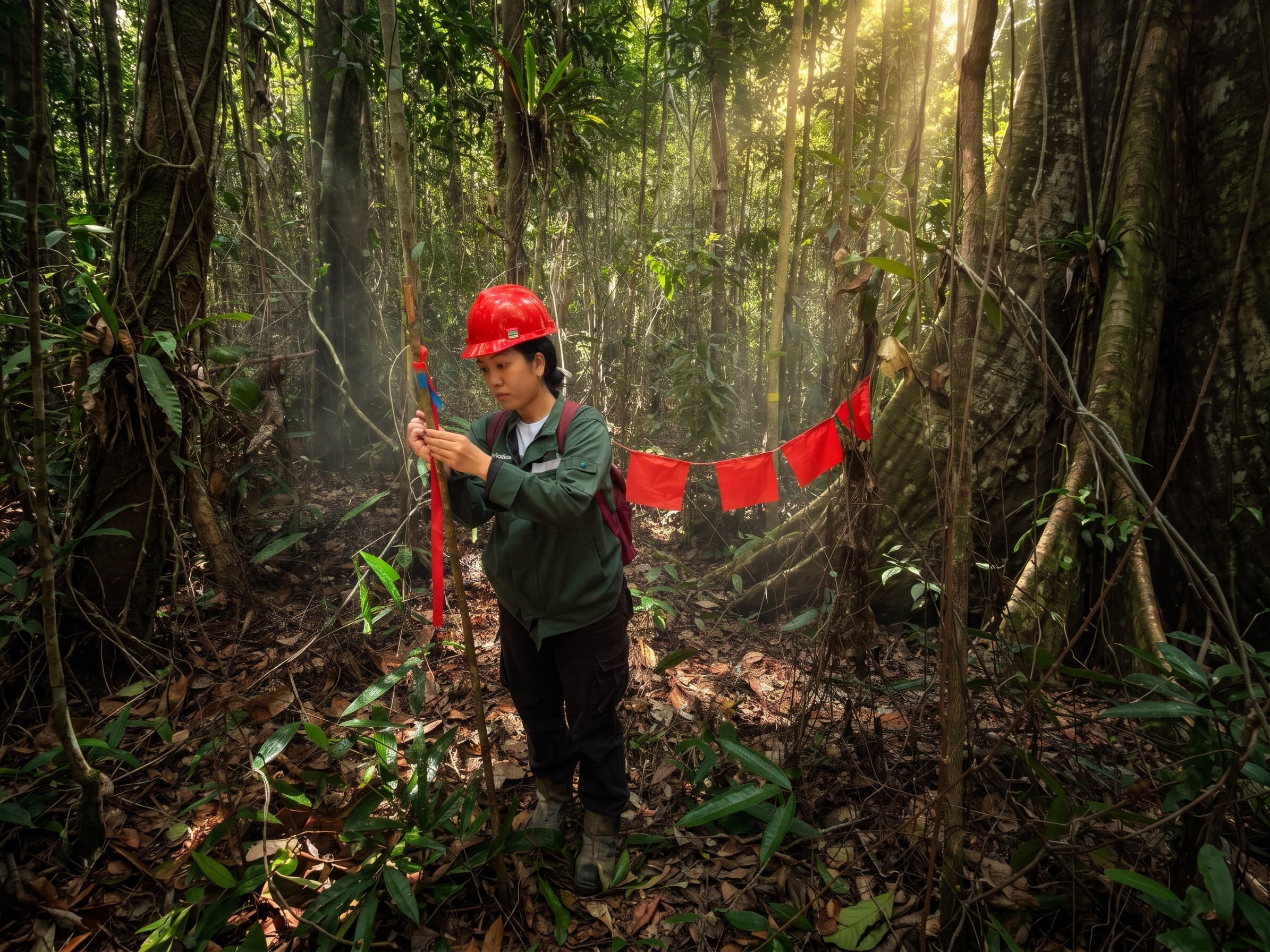 Environment & Biodiversity
Safeguarding Protected Wildlife Areas and Endemic Species Habitats
Read more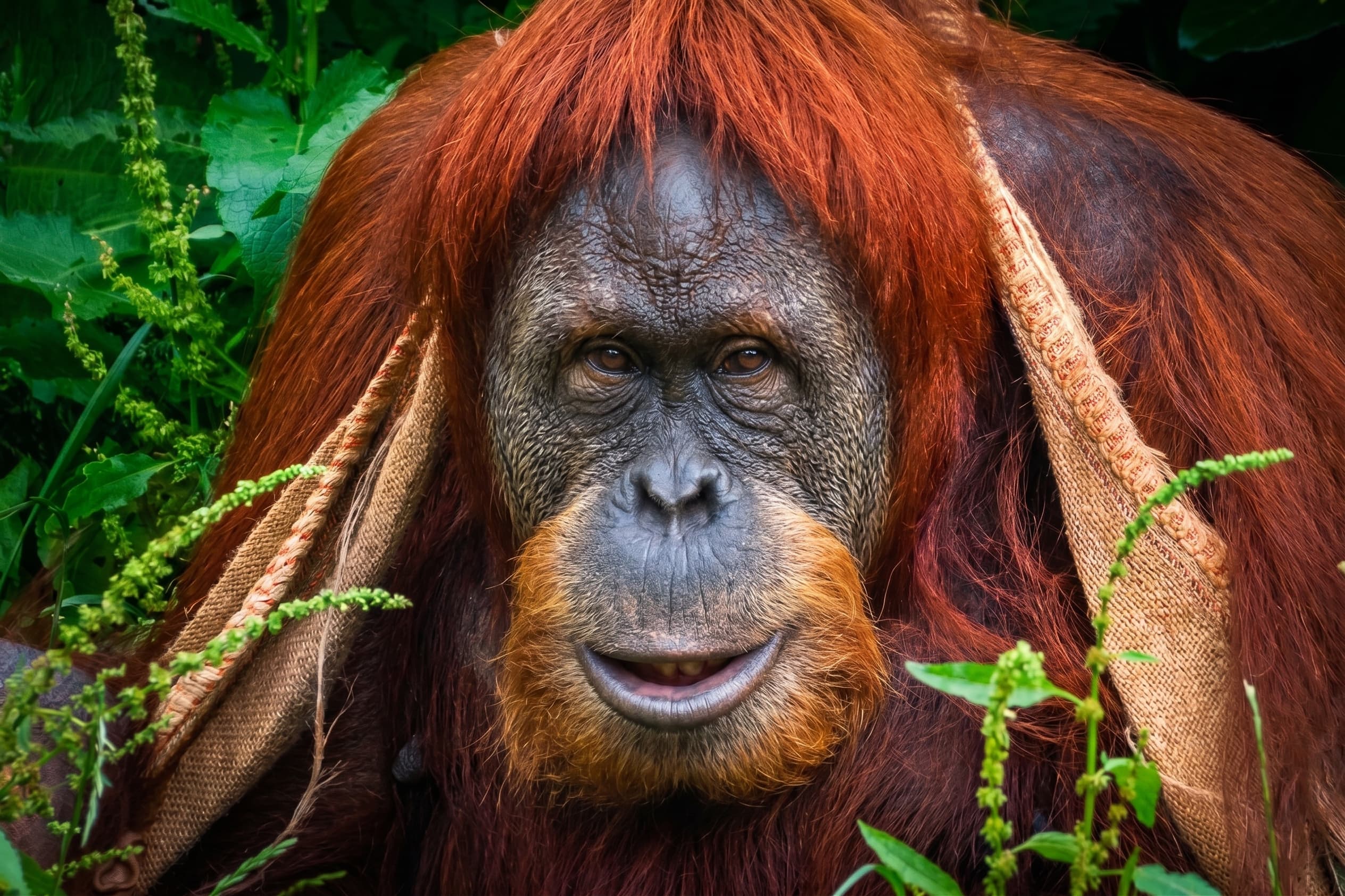 Environment & Biodiversity
Unveiling the Bornean Orangutan: Characteristics, Behavior, Distribution, and PT Mayawana Persada’s Habitat Protection Efforts
Read more