


Nursery Operations at Mayawana Persada: How Seedlings Are Prepared for Sustainable Tree Plantations
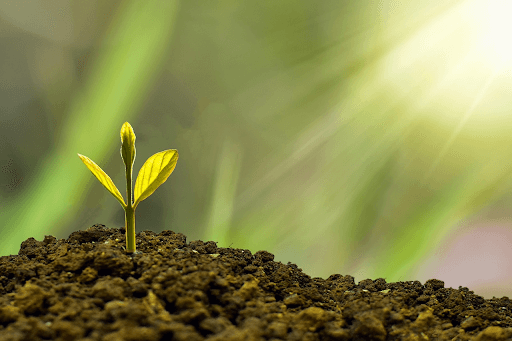
Discover how Mayawana Persada prepares healthy tree seedlings in its nursery: rooting protocols, gradual acclimation, quality control, and local empowerment.
What truly determines whether a seedling will thrive once planted across expansive plantation grounds? The answer lies not only in the soil of the planting compartment, but much earlier inside the nursery—where every single sapling is cultivated with rigorous precision, operational standards, and human dedication.
For us, the quality of sustainable tree plantations is established at the earliest possible stage. Before any sapling is transported to the field, it must undergo a disciplined sequence of procedures: specialized growing media preparation, root induction, progressive climatic acclimation, and multi-tiered quality control checks.
Why Are Dedicated Nurseries Essential?
Within the framework of sustainable tree plantations, a centralized nursery serves as an indispensable facility to cultivate robust, uniform saplings prior to field planting.
Key operational objectives include:
- Elevating seedling vigor: Nurseries provide controlled microclimates that optimize moisture, growing substrate, nutrient delivery, light exposure, and integrated pest and disease management.
- Maximizing field survival rates: Healthy, uniformly sized seedlings adapt far more resiliently post-transplant, delivering significantly higher field survival rates.
- Securing large-scale continuous supply: Concession management demands millions of viable saplings annually. Centralized nurseries enable planned, mass-scale propagation aligned with silvicultural planting schedules.
- Standardizing stand growth: Selecting seedlings of uniform age and physiological development ensures even stand canopy establishment across the landscape.
- Optimizing cost and operational efficiency: Centralized seedling husbandry during the vulnerable early developmental phase is substantially more cost-effective and manageable than handling unhardened stock directly in the field.
- Propagating superior genetic stock: For principal commercial genera such as Acacia and Eucalyptus, nurseries facilitate the propagation of superior genetic materials via vegetative cuttings and elite clonal selections.
Simply put, nursery operations serve as a vital gateway ensuring that all planting material entering sustainable tree plantations meets strict volume and quality specifications to maximize long-term field productivity.
From Growing Media to Root Formation
A seedling’s journey begins with growing media formulation. The substrate represents the foundational environment for root development, requiring stringent physical and chemical standards to meet juvenile growth requirements.
Once the media is prepared, vegetative cuttings harvested from designated mother plants are struck in the Rooting House—a specialized enclosure designed to maintain near-saturation humidity and facilitate rapid root initiation. In this delicate initial phase, every operational variable is critical.
Timing is particularly decisive: cuttings must be set into the substrate within a strict 45-minute window following harvest from mother plants. Exceeding this threshold causes cutting viability and root formation to decline sharply. Maintaining rapid turnaround is therefore not just an efficiency metric; it is essential to safeguarding the biological vigor of every plant.
Progressive Acclimation to Field Realities
Once cuttings establish healthy root systems, they do not move directly to the field. Instead, they transfer to the Rain Cover Area before graduating to the Open Grow Area.
This multi-stage transition facilitates gradual hardening-off. By progressively exposing young saplings to open-air conditions, higher solar radiation, and fluctuating ambient temperatures, plants build the physiological resilience required to withstand unshaded field terrain.
Plant readiness cannot be forced overnight. Each developmental stage enforces specific environmental conditions and maturity criteria that must be verified before stock progresses down the pipeline.
Quality Control: Looking Beyond Mere Survival

Source: Pixabay (Image for illustrative purposes only)
Behind gross production figures stands a rigorous quality control (QC) protocol that anchors nursery operations. The objective is not merely to produce living saplings, but to guarantee that every batch meets rigorous silvicultural specifications before dispatch.
Multi-tiered QC checks evaluate key morphological and physiological indicators:
- Batch age and maturity
- Root collar diameter
- Foliage count and leaf health
- Root mass structure and development
- Overall plant vigor and freedom from pests or pathogens
Through systematic culling and sorting, only seedlings that satisfy defined performance thresholds are approved for field distribution.
Standard Operating Procedures and Continuous Improvement
Consistency forms the bedrock of nursery management. All daily tasks strictly adhere to comprehensive Standard Operating Procedures (SOPs) that guide field personnel across every phase of production.
However, adherence to standards never precludes operational innovation. Whenever field technicians identify novel methods to enhance seedling vigor or operational efficiency, proposals are methodically trialed and evaluated. Successful trials form the empirical foundation for revising procedures and establishing higher operational benchmarks.
This methodology maintains an effective balance between operational discipline and continuous innovation.
Deploying Technology to Enhance Human Precision
To reinforce process consistency, modern technological aids are progressively integrated across facilities. One key enhancement is the installation of automated fogging systems within the Rooting House to maintain precise relative humidity levels throughout the root initiation cycle.
This automation is not designed to replace human labor. Rather, technology serves as an operational support tool that stabilizes microclimatic baselines, freeing personnel to focus their expertise on plant health monitoring, decision-making, and quality assurance.
Nurseries and Communities: Fostering Shared Prosperity
Nursery management extends beyond plant physiology and automated hardware; it drives meaningful socio-economic value for surrounding communities. Nursery operations at PT Mayawana Persada are staffed almost 100 percent by local community members.
Preparing quality seedlings for sustainable tree plantations simultaneously creates dependable, dignified employment opportunities for neighboring villages. True growth encompasses more than cultivating healthy plantation stands—it ensures local communities advance alongside corporate development.
From Small Seedlings to Landscape Foundations
The progression of a cutting from the nursery bench to the plantation landscape is a rigorous, demanding process. It requires balanced growing substrates, rapid handling against the clock, dedicated root induction, carefully staggered acclimation phases, and non-negotiable quality criteria.
Ultimately, every thriving stand visible across the concession owes its success to procedures initiated months earlier within nursery bays. Behind every healthy sapling lies a proven standard; behind every standard stands a dedicated team; and behind every consistent process lies an enduring commitment to engineering forestry excellence from the ground up.
Quick Answer
A nursery is far more than a seedling factory. At PT Mayawana Persada, the nursery represents the operational baseline of sustainable tree plantations—established through standardized protocols, layered quality control, targeted technological deployment, and deep community partnership. Before any tree takes its place across the broader landscape, this dedicated process guarantees that every seedling begins its life cycle with the strongest possible foundation.
FAQ
What is the function of the nursery at Mayawana Persada?
The nursery is a specialized propagation facility where tree seedlings are bred, cultivated, and hardened before field planting. Operations follow structured, controlled phases to guarantee high physiological quality and field survivability across sustainable tree plantations.
What are the primary operational stages in the nursery?
The cycle begins with growing media preparation, followed by striking vegetative cuttings from elite mother plants within the Rooting House for root induction. Once rooted, saplings move to the Rain Cover Area and subsequently to the Open Grow Area for progressive hardening against ambient field conditions.
How does Mayawana Persada verify seedling quality?
Seedlings undergo multi-parameter evaluations inspecting seedling age, stem diameter, foliage development, root system architecture, and overall plant health. Only batches certified completely free of pests and diseases are cleared for field planting.
What technologies are utilized within the nursery facility?
Technological integration includes automated high-pressure fogging systems inside the Rooting House. This automation maintains steady microclimatic humidity levels essential for high root-strike percentages.
Does automated technology displace local personnel?
No. Technology serves exclusively as an auxiliary tool to stabilize microclimatic conditions. Human expertise remains essential for executing daily husbandry, conducting health inspections, making grading decisions, and enforcing quality standards.
Read also
 Operations & Field Activity
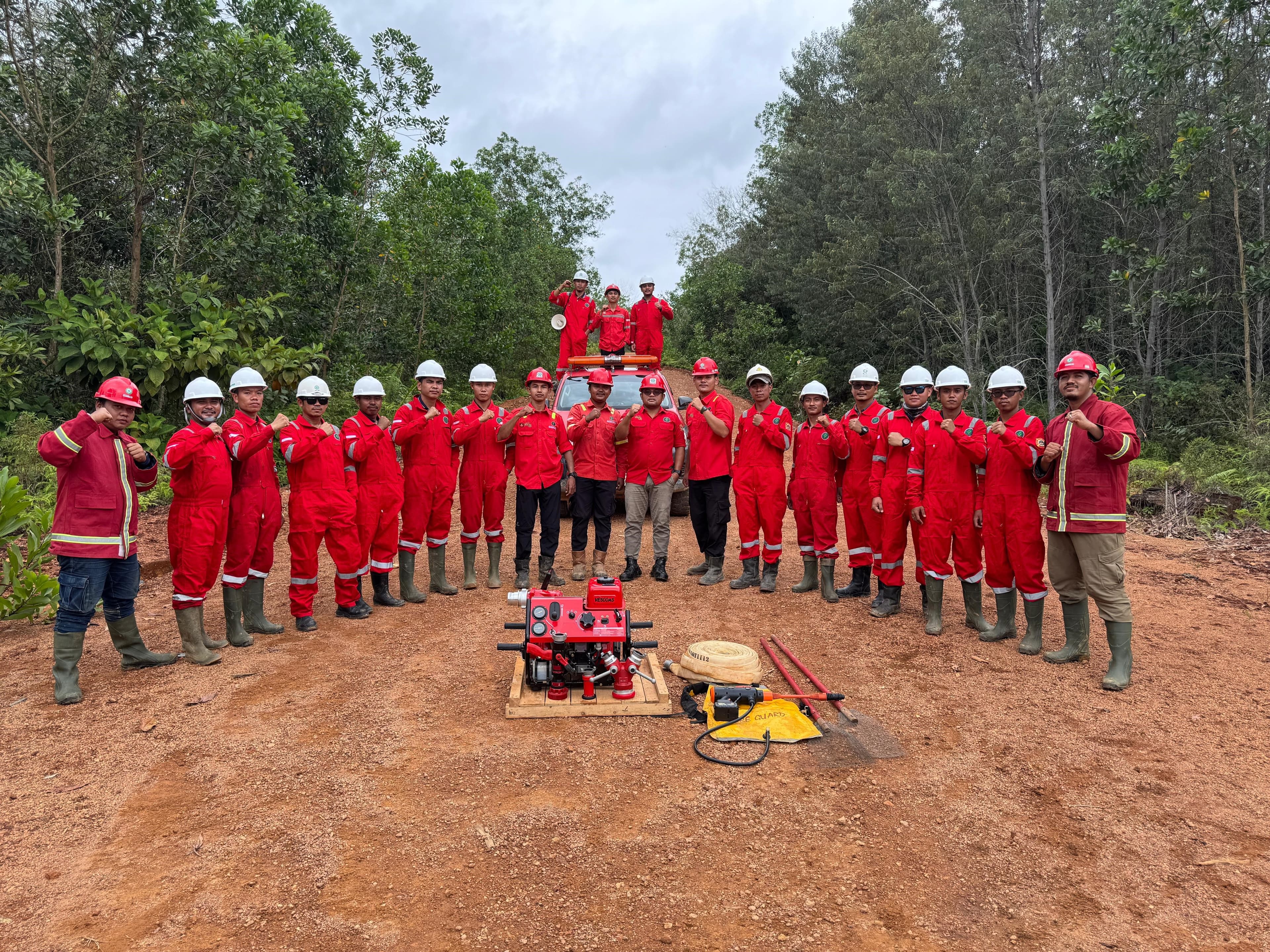
Before the Smoke Rises: Inside PT Mayawana Persada’s Relentless Fire Defense
Read more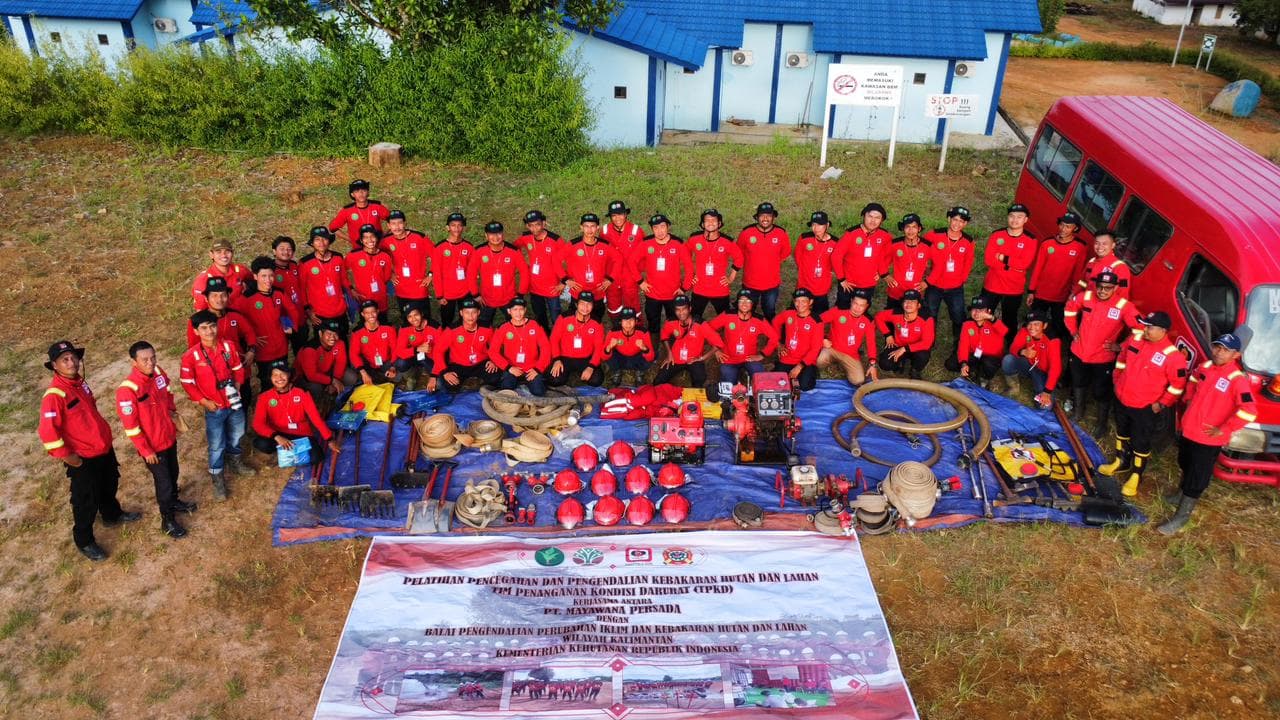 Operations & Field Activity
Eyes in the Sky: How PT Mayawana Persada Combines Drones and Ground Patrols for Forest Fire Mitigation
Read more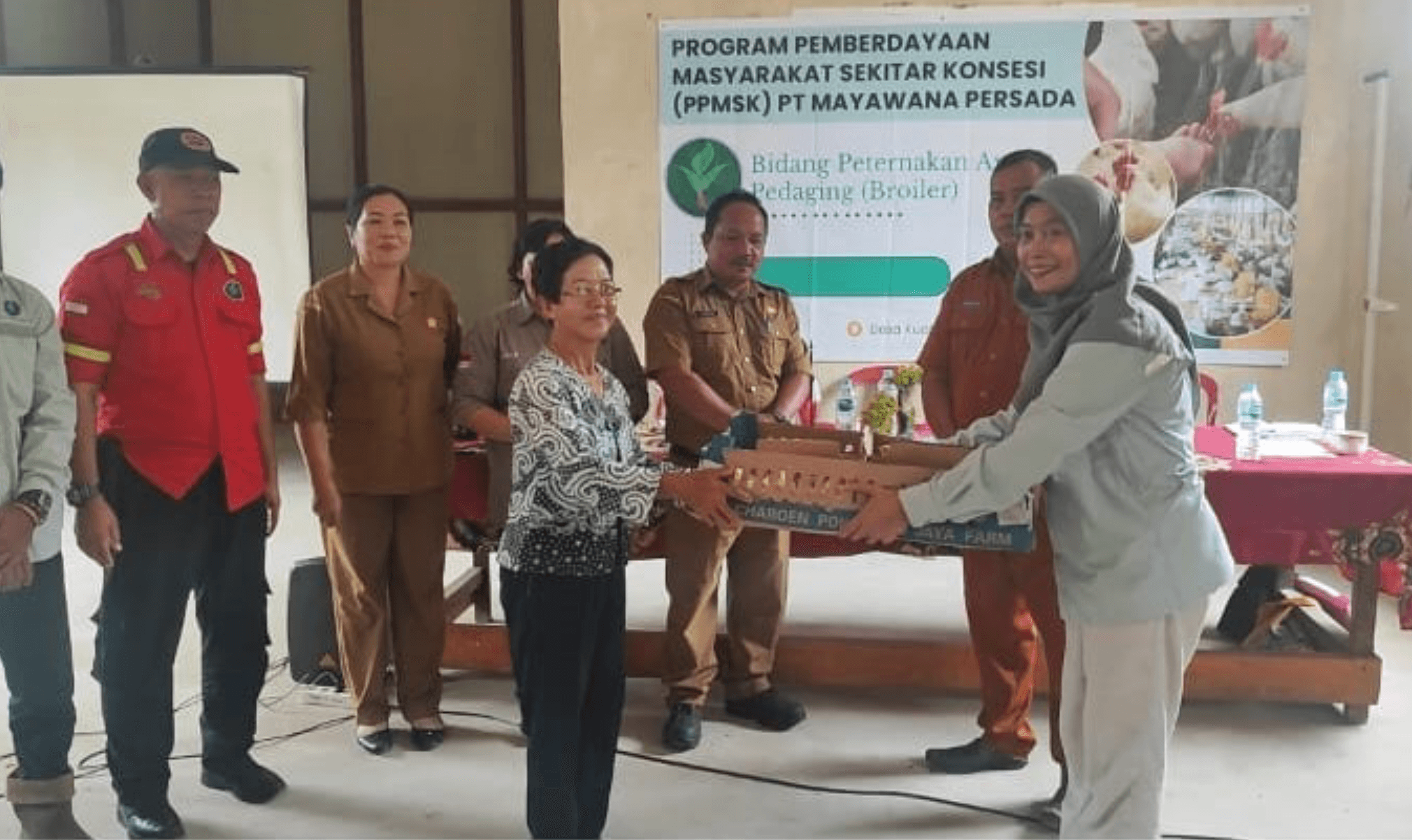 CSR & Community
Empowering Local Farmers Through Standardized Broiler Poultry Training in Kualan Hilir
Read more