


The Journey Towards Sustainable Forest Management Certification and Responsible Operations
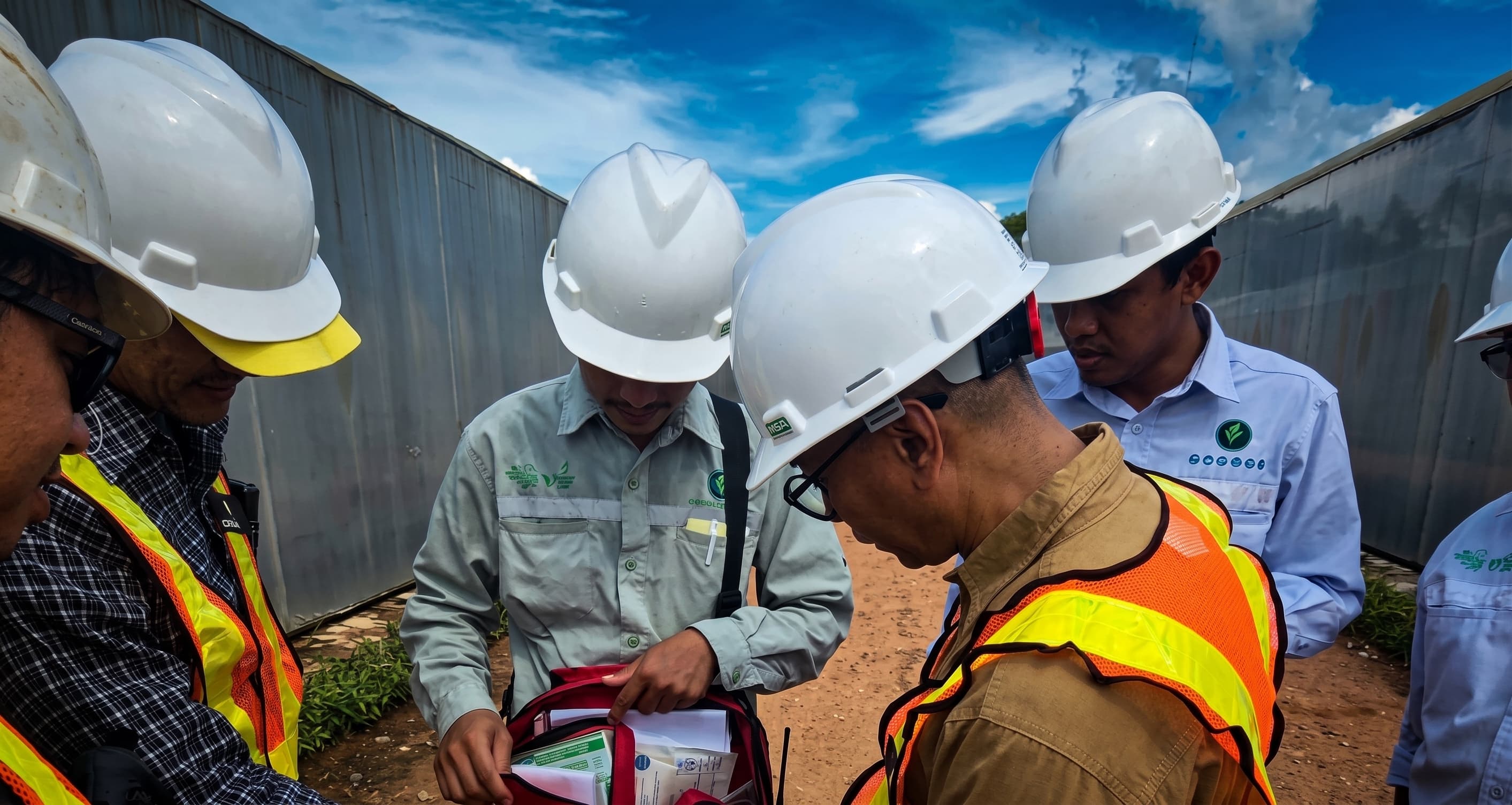
Explore how PT Mayawana Persada achieves sustainable forest management certification through regular audits, regulatory compliance, and academic partnerships.
As international scrutiny on tropical forestry intensifies, global markets, investors, and environmental watchdogs increasingly demand rigorous accountability and transparency. For operators managing sensitive tropical landscapes, achieving sustainable forest management certification is no longer just a regulatory milestone—it is a fundamental proof of responsible corporate stewardship. Meeting these high standards requires a transparent, step-by-step commitment to ecological preservation, scientific rigor, and stakeholder engagement.
The Imperative of Certification in Modern Forestry
Global stakeholders, particularly across Europe and the Americas, expect forestry operations to balance industrial productivity with uncompromised environmental protection. Sustainable forest management certification provides a verified, independent benchmark that proves a company's practices align with international environmental, social, and governance (ESG) standards.
For forest-dependent regions like Indonesian Borneo, this journey involves moving beyond baseline compliance. It requires building transparent systems that safeguard High Conservation Value (HCV) areas, protect carbon-rich peatland ecosystems, and preserve critical wildlife corridors for endangered species like the Bornean orangutan.
For PT Mayawana Persada, sustainable forest management is firmly anchored on three parallel, mutually supporting pillars: production, ecology, and social responsibility. Muharjan, Assistant Head (Askep) of Sustainability at PT Mayawana Persada, explains that compliance with national regulations serves as the primary foundation before being transformed into the company's operational vision. "We consistently apply the principles of sustainable forest management through compliance with certification standards, ranging from Sustainable Forest Management (PHL) to alignment with international standards," he clarifies.
Key Milestones on the Path to Certification
Achieving and maintaining sustainable forest management certification demands a comprehensive, multi-phase operational strategy:
- Rigorous High Conservation Value (HCV) Mapping: Identifying, mapping, and legally protecting areas harboring critical biodiversity, rare ecosystems, or essential environmental services prior to operational activities. Integrating independent scientific research—such as academic partnerships for flora-fauna monitoring—ensures that conservation boundaries are data-driven and credible.
- Advanced Hydrological and Peatland Management: Implementing strict water governance protocols, such as maintaining optimal water tables and utilizing canal blocks to keep carbon-rich peatlands wet, thereby mitigating the risk of subsurface fires (smoldering) and environmental degradation.
- Science-Based Revegetation and Monitoring: Executing structured reforestation initiatives using endemic tree species. Utilizing specialized internal nurseries and maintaining rigorous monitoring standards—such as periodic growth evaluations and high seedling survival rates—guarantees measurable ecological recovery.
- Regular Audits and Management Review: To ensure all policies function effectively in the field, structured evaluation systems are implemented. Sustainability Assistant Charia Salasari explains that each operational unit undergoes annual internal audits based on IFCC, ISO 14001, and SMK3 standards. The results are reviewed directly in Management Review Meetings (RTM) to establish corrective actions and allocate budgets—such as constructing dedicated wash-down facilities for chemical-handling workers.
- Transparent Multi-Stakeholder Collaboration: Engaging local communities, independent researchers, regulatory bodies, and NGOs to ensure inclusive governance, participatory conservation, and open reporting of environmental metrics. This includes conservation research partnerships with Universitas Tanjungpura (Untan) and the Ecology and Conservation Center for Tropical Studies (Ecositrop) to monitor orangutan populations, alongside NGO-led revegetation programs.

Moving Forward: Transparency as a Standard
The soaring global interest in sustainable forestry—highlighted by dramatic surges in international searches concerning forest certification, ecological management, and protected areas—signals a permanent shift in market expectations. International stakeholders demand verifiable proof that forestry operations actively protect biodiversity and support regional climate stability.
By transparently navigating the journey toward sustainable forest management certification—supported by robust internal audits, regulatory adaptability, and independent academic research—operators demonstrate that long-term ecological preservation and responsible industrial practices can coexist seamlessly. This commitment not only satisfies global ESG benchmarks but also secures a resilient, sustainable future for tropical forest landscapes.
Read also
 CSR & Community
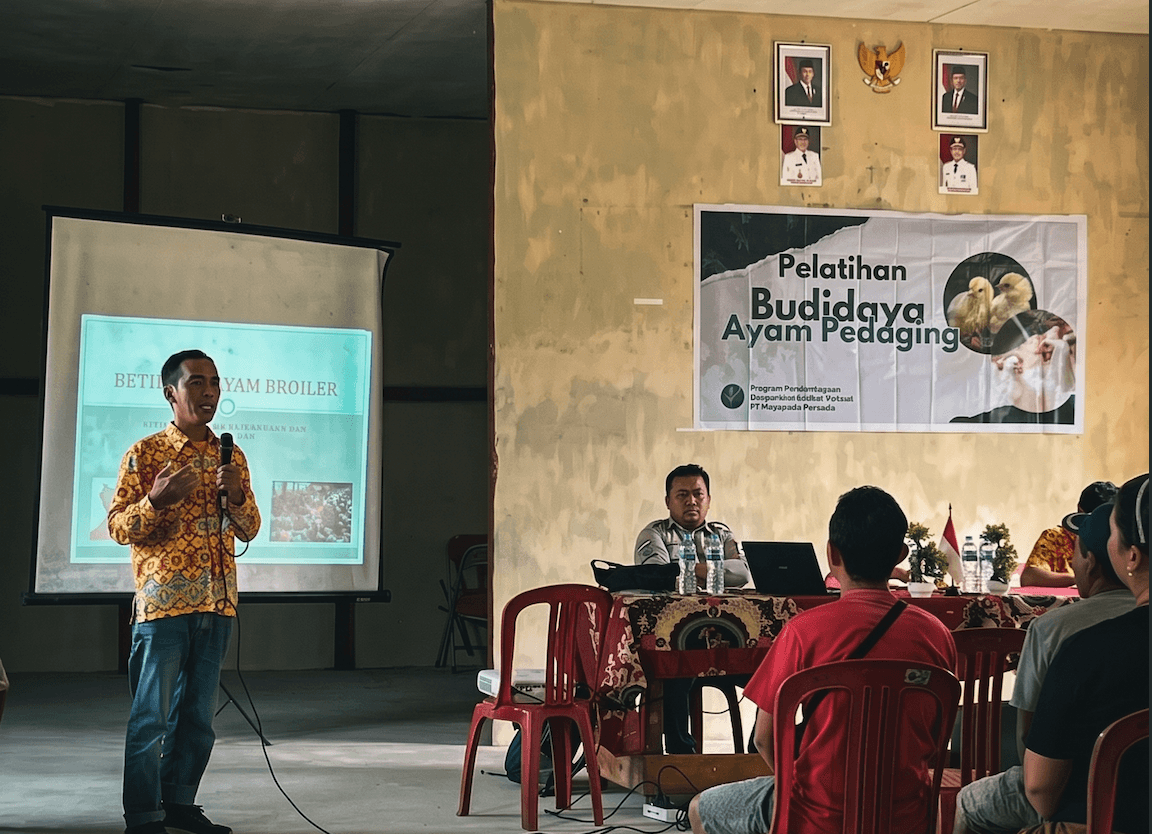
Bridging Conservation and Community Welfare in Sustainable Landscapes
Read more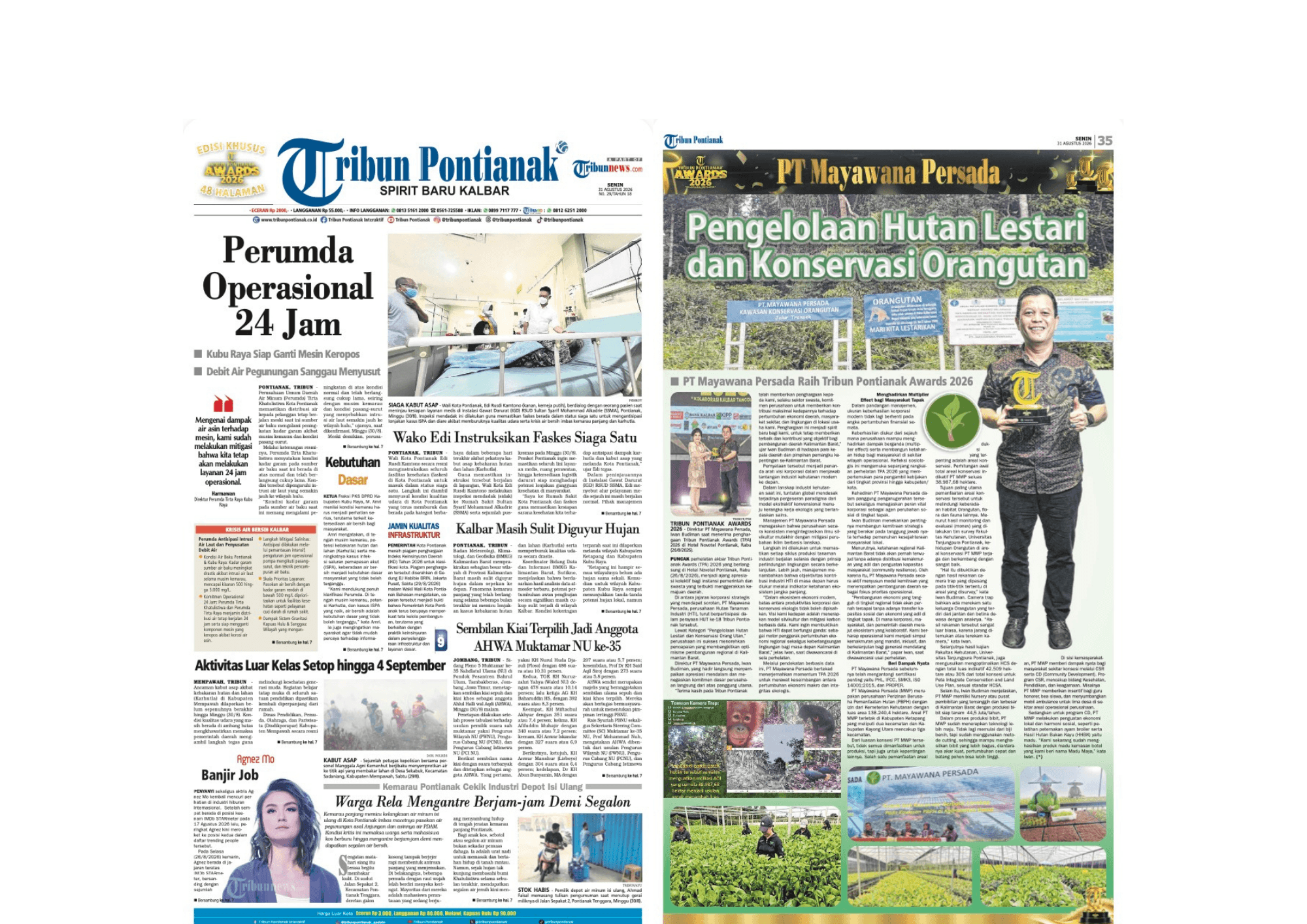 CSR & Community
PT Mayawana Persada Wins at Tribun Pontianak Awards 2026
Read more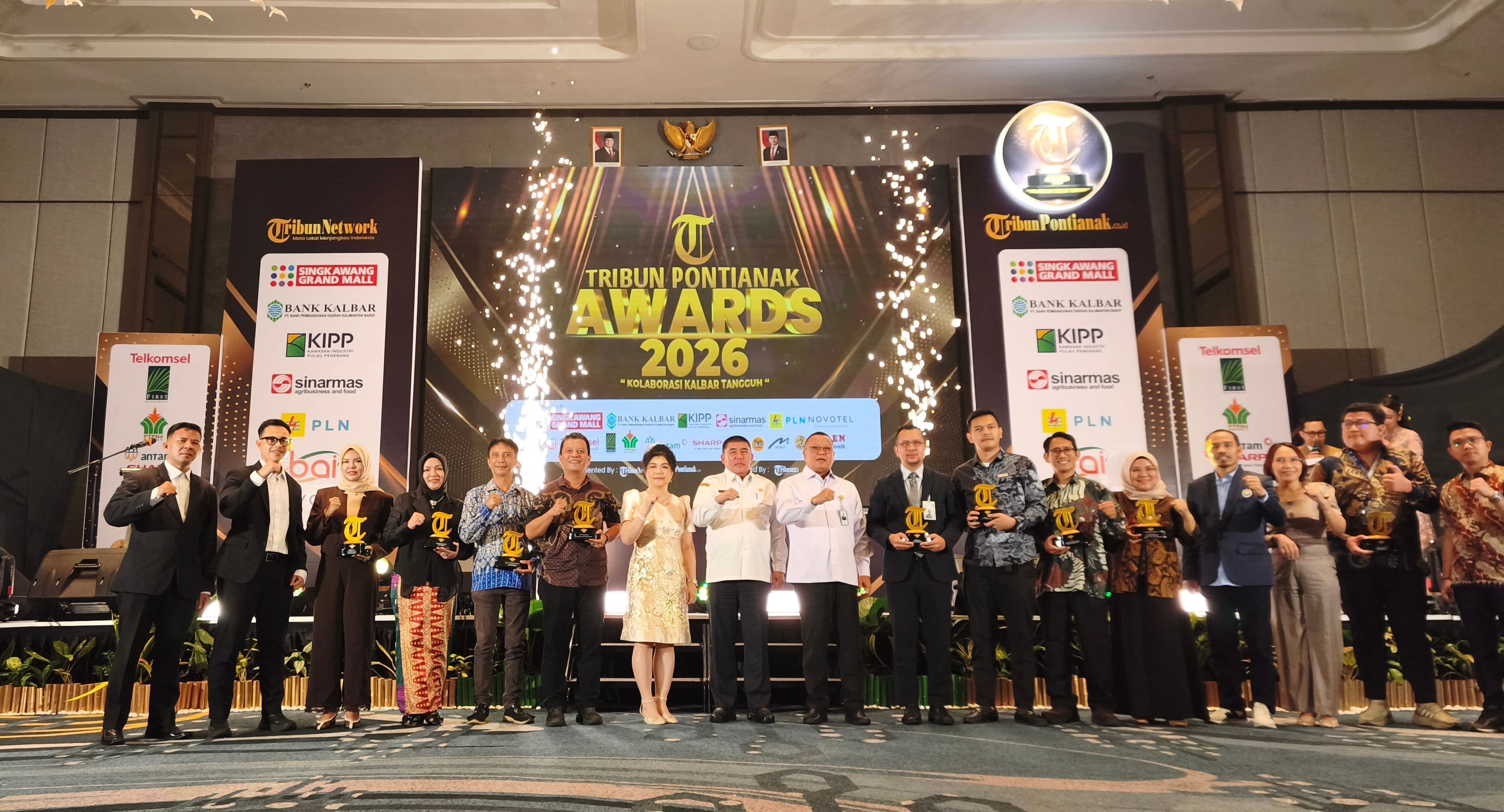 CSR & Community
Driving Regional Growth and Landscape Stewardship, PT Mayawana Persada Earns Recognition at Tribun Pontianak Awards 2026
Read more