

Exploring Strategies for Forest Community Empowerment Based on Local Potential
Explore sustainable community empowerment strategies around forestry concessions, from agroforestry and local supply chains to co-ops and skills training.
Source: Pexels (Image for illustrative purposes only)
When discussing the welfare of communities living near forest areas, we often picture direct financial aid or recurring corporate donations. However, a far more sustainable approach lies in nurturing the existing potential already held by the community—such as farming, horticulture, and fishing—without stripping away the local identity and traditional wisdom passed down through generations.
This approach positions community members not merely as passive aid beneficiaries, but as capable actors with the drive to develop and achieve economic self-reliance.
What Is Forest Community Empowerment?
Put simply, forest community empowerment is an effort to elevate the economic capacity of residents around forest areas by leveraging existing local potential. This means programs do not need to invent unfamiliar livelihoods from scratch; instead, they can build upon the daily activities and skills residents already possess.
This strategy is vital because sustainable forest management depends not only on silvicultural practices within concession boundaries, but also on the economic resilience of the communities coexisting alongside them.
PT Mayawana Persada (MP) exemplifies this village-potential-based approach. Rather than imposing uniform programs across all regions, the company begins with a comprehensive identification phase to determine the most relevant support for each specific village.
How Individual and Village Potential Is Mapped
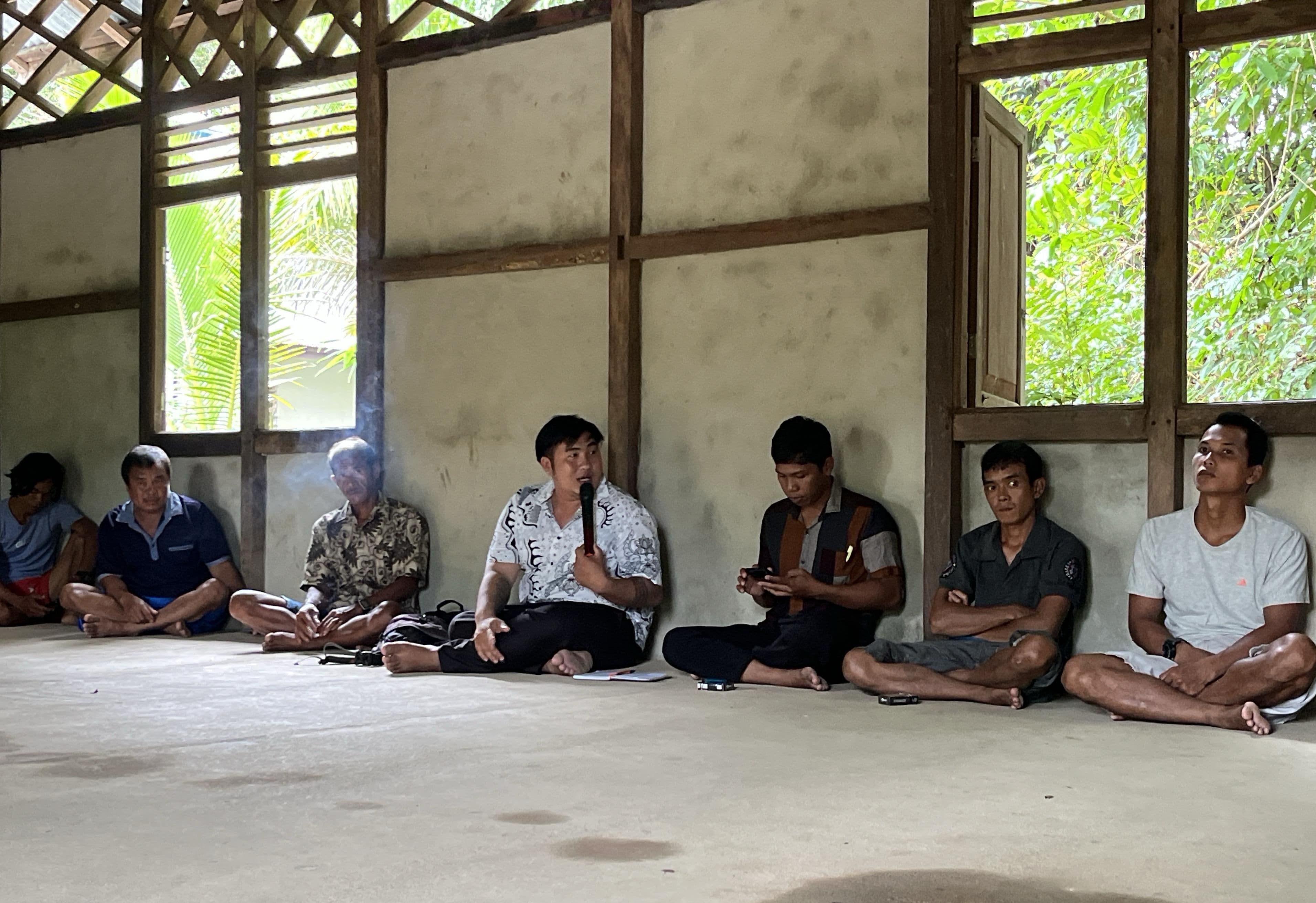
Every village has its own distinct character and potential, as does every resident within it. Therefore, the essential initial step is mapping individual capabilities alongside village-level economic drivers.
This mapping covers several core aspects:
- Existing micro-enterprises run by residents
- Technical skills held by community members
- Natural resources available around residential zones
- Latent economic potential ripe for development
This baseline-driven approach ensures that all designed programs align with ground-level realities, preventing one-size-fits-all initiatives that ignore local context.
Tailoring Programs to Regional Characteristics

Source: Pexels (Image for illustrative purposes only)
Based on baseline findings, developmental programs are tailored to mirror regional strengths. In villages with fertile agricultural land, for example, paddy agroforestry is introduced to integrate food crops alongside surrounding forest canopies.
Meanwhile, other areas focus on vegetable cultivation or local fisheries. These programs are specifically adapted to agricultural or coastal traditions that residents have practiced for generations.
Consequently, these initiatives never feel foreign to the community because they are built directly upon the habits and mastery residents already command.
How Local Supply Chains Unlock Market Access
A key strategic milestone is the creation of localized supply chains. Under this model, agricultural and fishery yields produced by local communities are integrated to fulfill portions of the company's internal operational needs.
Residents no longer rely solely on spot markets; they gain a dedicated corporate partner committed to absorbing their goods on a reliable basis. This mechanism creates a genuine win-win dynamic: the enterprise secures fresh, nearby supplies, while community producers secure predictable market off-take for their harvest.
Why Cooperatives Are Central to Community Economic Growth
Alongside supply chain integration, developing local cooperatives forms a critical part of the long-term roadmap. Cooperatives serve as a collective governance vehicle for managing aggregate yields while unlocking broader commercial markets beyond internal corporate procurement.
Through structured institutional frameworks, communities gain substantially greater bargaining leverage compared to selling individually. Cooperatives also serve as practical learning platforms where residents master the fundamentals of independent business management.
Skills Training to Diversify Income Streams
Community empowerment goes beyond conventional farming and fishing. Vocational and skills-based training sessions are introduced to foster alternative revenue streams.
Training modules are customized to individual interests and aptitudes. By establishing multiple livelihood pathways, households avoid relying on a single economic pillar. This income diversification strengthens household economic resilience against seasonal shifts and commodity market volatility.
Why Economic Independence Is the Ultimate Goal

Source: PT Mayawana Persada
Across every initiative implemented, the ultimate objective remains unambiguous: fostering economically independent communities, not populations perpetually dependent on corporate handouts.
The relationship is intentionally designed for mutual benefit. The enterprise benefits from dependable local partnerships, while residents gain pathways toward lasting prosperity without sacrificing their ancestral identity and traditional ways of life.
This model directly advances landscape-scale sustainability. When local household economies thrive on their own terms, anthropogenic pressures on natural forest resources decrease significantly because residents enjoy diverse, viable livelihoods.
Empowerment That Grows With the Community
Ultimately, effective community empowerment does not need to be imposed from the outside; it flourishes naturally from the inherent strengths within the community itself.
From village asset mapping, regionally tailored programs, and local supply chain integration to cooperative development and skills diversification, every initiative converges on a single target: building lasting economic self-reliance for communities living alongside forest landscapes.
To learn more about the forest community empowerment programs led by PT Mayawana Persada (MP), explore full updates regarding our joint community initiatives and local partnerships.
FAQ
What is meant by forest community empowerment?
Forest community empowerment refers to strategic efforts that enhance the economic capacity of communities living near forest areas by developing existing livelihoods, such as agriculture, agroforestry, and fisheries.
How does MP determine the right empowerment program for each village?
The process starts with thorough field mapping of individual skills and village economic assets. Programs are then customized to local characteristics, such as paddy agroforestry, vegetable farming, or community fisheries.
What is the local supply chain model in this program?
It is an off-take mechanism where local agricultural and fishery harvests are procured to supply the company’s internal operational needs, providing community producers with a reliable, long-term buyer.
What role do cooperatives play in community development around concessions?
Cooperatives enable collective commodity marketing, increase market bargaining power, and provide an institutional platform for communities to manage business operations independently.
What is the overarching goal of these empowerment initiatives?
The primary goal is to establish economically self-reliant communities that are free from continuous corporate dependence, fostering a mutually beneficial partnership between the company and local residents.