


Community Conservation: Integrating Local Livelihoods into Sustainable Forest Landscapes
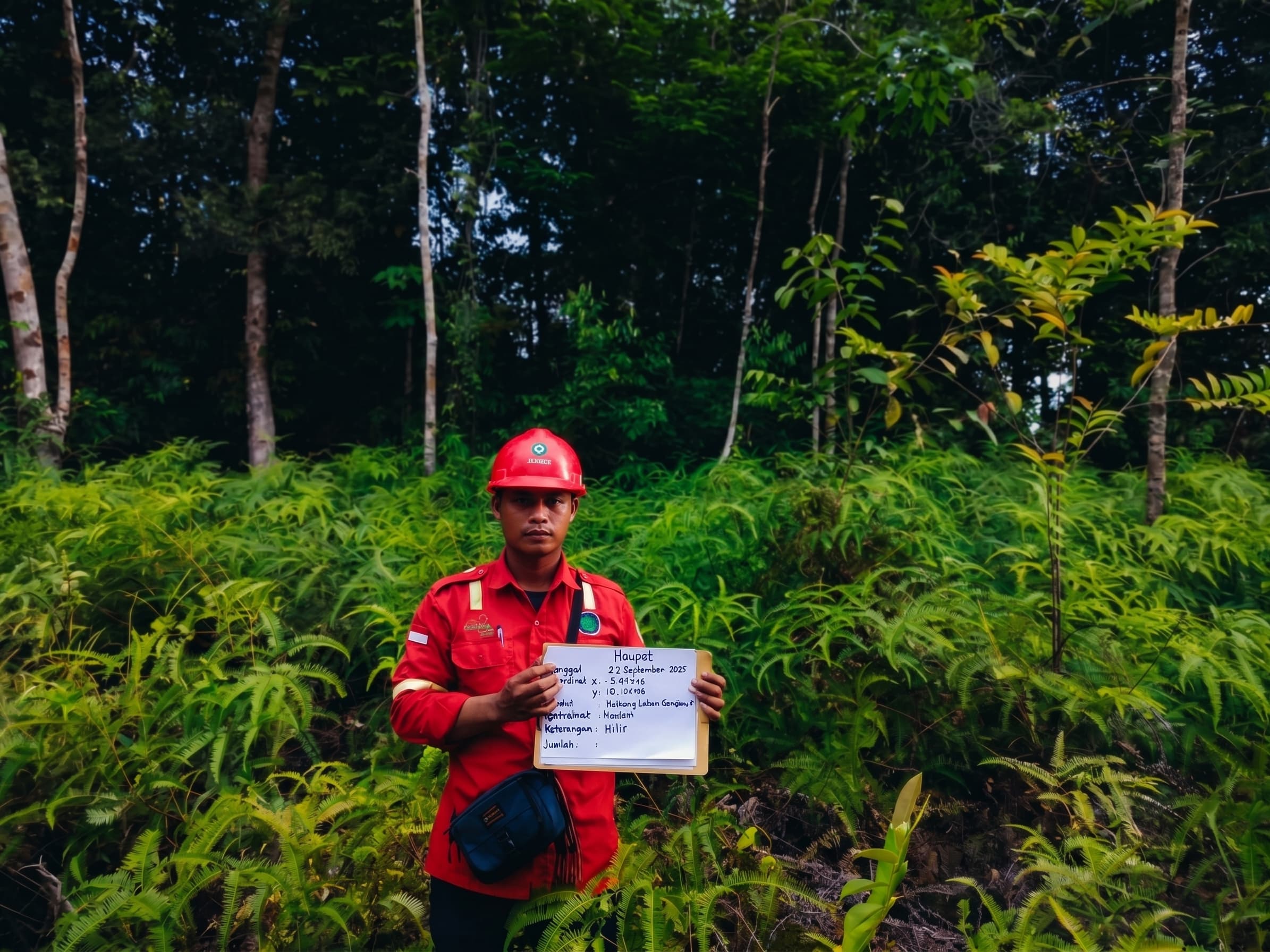
Explore community conservation at Mayawana Persada: participatory stewardship, agroforestry supply chains, joint border patrols, and inclusive land governance.
For generations, orthodox conservation policy across the tropical belt adhered to a doctrine of exclusion. Known colloquially as "fortress conservation," this model drew rigid boundaries around natural landscapes, criminalizing traditional forest use and treating indigenous and rural populations as external threats.
However, empirical evidence from working forest frontiers demonstrates that keeping people away from the land rarely keeps the forest safe. Fences erected without communal buy-in routinely invite tension, clandestine encroachment, and costly enforcement battles. When local communities are alienated from their historical grounds, they lose any incentive to defend the surrounding ecosystem from outside degradation.
Today, global forestry and Environmental, Social, and Governance (ESG) standards demand a decisive paradigm shift toward community conservation. In modern working production landscapes, long-term tropical forest and peatland preservation succeeds only when forest-edge communities act as authentic co-managers—securing direct, tangible economic benefits from maintaining healthy ecosystems.
Operating under a statutory Forest Utilization Business License (PBPH) across 136,710 hectares in Ketapang and North Kayong, West Kalimantan, PT Mayawana Persada illustrates how participatory stewardship bridges commercial forestry, rural poverty reduction, and landscape-level habitat protection.

Place-Based Economic Empowerment: Protecting Canopies Through Traditional Livelihoods
True community conservation does not disrupt existing cultural systems with top-down, unviable schemes. It begins with granular socio-economic asset mapping tailored to the distinct ecological realities of each forest-edge village.
Across rural West Kalimantan, forest-dependent communities possess profound intergenerational knowledge of local soils, seasonal hydrology, and native flora. Rather than forcing a transition toward destructive cash-crop monocultures, sustainable concessions must invest in traditional, low-impact land-use practices that thrive under natural canopy conditions.
At PT Mayawana Persada, place-based livelihood development centers on three high-yield, low-footprint interventions:
- Paddy Agroforestry: Assisting farming families with sustainable rice cultivation along non-peat mineral corridors and low-lying alluvial plains, optimizing soil fertility through organic amendments rather than slash-and-burn clearing.
- Diversified Horticulture: Supporting household gardens and polyculture fruit orchards (such as durian, rambutan, and local citrus) that mimic natural multi-tiered forest structures, providing steady household nutrition while preserving soil moisture.
- Low-Impact Freshwater Fisheries: Developing sustainable aquaculture and native fish farming along inland river basins and managed canals, avoiding destructive electric or chemical fishing practices and protecting riparian riverbanks.
By demonstrating that high agricultural productivity can be achieved on existing family plots, this place-based framework removes the underlying economic pressure to clear standing peat forests.
Supply Chain Off-Taking and Cooperative Resilience
Agricultural training programs fall short if smallholders cannot sell their harvests at a fair price. In many remote forested areas, smallholder farmers remain trapped in cycles of debt dictated by predatory middlemen who control transport routes and enforce depressed gate prices.
To make community conservation financially durable, Mayawana Persada bridges the gap between field production and market realization through a three-stage economic integration:
- Upstream Smallholder Production: Local farming families and fishers focus on low-impact yields—cultivating organic rice on mineral soils, harvesting multi-tier polyculture fruits, and managing freshwater aquaculture along river corridors.
- Direct Supply Chain Off-Taking: The company directly purchases rice, vegetables, fruits, and fresh fish at stable, transparent floor prices to supply its internal worker mess halls and remote base camps, eliminating exploitative middlemen and insulating growers from market crashes.
- Institutional Cooperative Incubation: The concession provides working capital, statutory administrative training, and post-harvest facilities for independent Village Cooperatives (Koperasi Desa), building long-term collective bargaining power and granting farmers durable access to external regional markets.
This direct economic tie gives village households a vested financial interest in keeping surrounding standing forests and peatlands healthy.
Participatory Monitoring and Border Security
Boundary signs and spatial zoning maps cannot defend a forest by themselves. Across remote concessions, safeguarding high-value conservation zones demands constant physical vigilance.
Recognizing that local residents possess unmatched spatial familiarity with forest trail networks, watercourses, and seasonal animal movements, Mayawana Persada has replaced unilateral company enforcement with participatory border stewardship:
- Joint Fire Prevention Posts (Posko Siaga Karhutla): Establishing rapid-response monitoring posts equipped with high-pressure portable pumps, specialized hoses, and early-warning satellite tracking interfaces, jointly manned by company personnel and village volunteers.
- Integrated Boundary Patrols: Conducting routine, paid field patrols along the perimeters of High Conservation Value (HCV) tracts, riverine buffers, and protected wildlife corridors.
- Flagship Species Protection: Training community scouts in non-invasive biometric monitoring, reporting illegal wildlife snares, and safeguarding critical canopy pathways used by the Bornean orangutan (Pongo pygmaeus wurmbii) and sun bear (Helarctos malayanus).
This shared security structure transforms community members from passive observers into frontline stewards with the training, equipment, and authority to protect their shared ancestral heritage against outside illegal loggers and poachers.
Inclusive Land Governance: Institutionalizing Dialogue
Historically, concession management operated through top-down declarations, informing local villages of land-use decisions only after spatial plans had been locked in. This administrative distance fostered deep resentment, land disputes, and broken operational promises.
Mayawana Persada breaks this cycle by embedding structured, two-way dialogue mechanisms directly into its operational governance:
- Quarterly Village Assemblies (Musyawarah Desa): Convening regular, transparent public forums with village leaders, customary heads, women's groups, and youth representatives to review operational timelines and localized community concerns.
- Rigorous FPIC Protocols: Enforcing Free, Prior, and Informed Consent consensus rounds before opening new operational compartments or demarcating new conservation buffer lines.
- Audited Grievance Mechanisms: Providing accessible, transparent conflict resolution channels with verifiable third-party documentation to resolve territorial disputes impartially.
- Co-Management of Spatial Plans: Directly involving community representatives in the spatial planning of the planned expansion of conservation set-asides from 37,000 hectares to 71,000 hectares in the revised Business Work Plan (RKU), ensuring ancestral sites, water supplies, and foraging zones remain protected.
By formally integrating community priorities into corporate sustainability roadmaps, the concession fosters a durable, legal compact built on mutual accountability rather than precarious transactional deals.
Auditable ESG Alignment and Global Market Demands
For corporate forest managers, community conservation is not an act of charity—it is an essential operational strategy that fulfills strict international ESG standards, statutory Indonesian Sustainable Forest Management (PHL) regulations, and global trade certifications such as IFCC/PEFC and ISO 14001.
International consumer markets and financial lenders increasingly scrutinize corporate supply chains for social friction, indigenous disenfranchisement, and human rights violations. Under the leadership of Sustainability Lead Muharjan, Mayawana Persada ensures that every social metric, from cooperative procurement invoices and joint patrol logbooks to FPIC verification minutes, is systematically tracked and reviewed during formal executive Management Review Meetings (RTM).
Auditable community stewardship mitigates social operating risk, secures regulatory license to operate, and proves that high-volume industrial forestry can coexist harmoniously with empowered rural populations.
Co-Management as the Future of Conservation
The lessons learned across the Mayawana Persada landscape demonstrate that nature conservation and rural economic vitality are inseparable. When conservation strategies treat local communities as trespassers, ecosystems decay from the margins inward. Conversely, when local communities are treated as equity partners—equipped with stable supply-chain off-taking, professional cooperative structures, joint security responsibilities, and genuine seats at the governance table—forest preservation becomes a shared, self-sustaining reality.
By proving that protecting standing peat domes and safeguarding endangered wildlife can directly improve the material well-being of forest-edge families, Mayawana Persada sets a definitive benchmark for community conservation across the tropics: one where sustainable business empowers local hands to guard a global ecological treasure.
FAQ
What is the core philosophy behind modern community conservation?
Modern community conservation rejects the outdated "fortress conservation" model that excluded human presence from protected lands. Instead, it recognizes forest-edge communities as essential co-managers who must secure measurable economic, social, and legal benefits from keeping their surrounding natural ecosystems healthy and intact.
How does PT Mayawana Persada support local economic empowerment without deforesting land?
The company focuses on enhancing traditional livelihoods on existing non-forest lands. This includes supporting high-yield paddy agroforestry, diversified multi-tier fruit horticulture, and low-impact freshwater fisheries, allowing families to improve their household income without converting standing peat forests or primary tree canopies.
How does the company guarantee steady income for local farmers and fishers?
Mayawana Persada integrates local producers directly into its corporate supply chain, purchasing agricultural yields and fish catches at stable, fair floor prices to provision its internal worker mess halls and base camps. Additionally, the company incubates independent Village Cooperatives (Koperasi Desa) to build collective bargaining power and secure external commercial contracts.
How are community voices integrated into corporate spatial planning?
Through institutionalized two-way dialogue mechanisms, quarterly village assemblies (Musyawarah Desa), and rigorous Free, Prior, and Informed Consent (FPIC) protocols. Local residents actively participate in land-use decisions, ensuring their cultural sites, traditional water resources, and economic needs are reflected in spatial plans, including the planned expansion of conservation set-asides to 71,000 hectares.
Read also
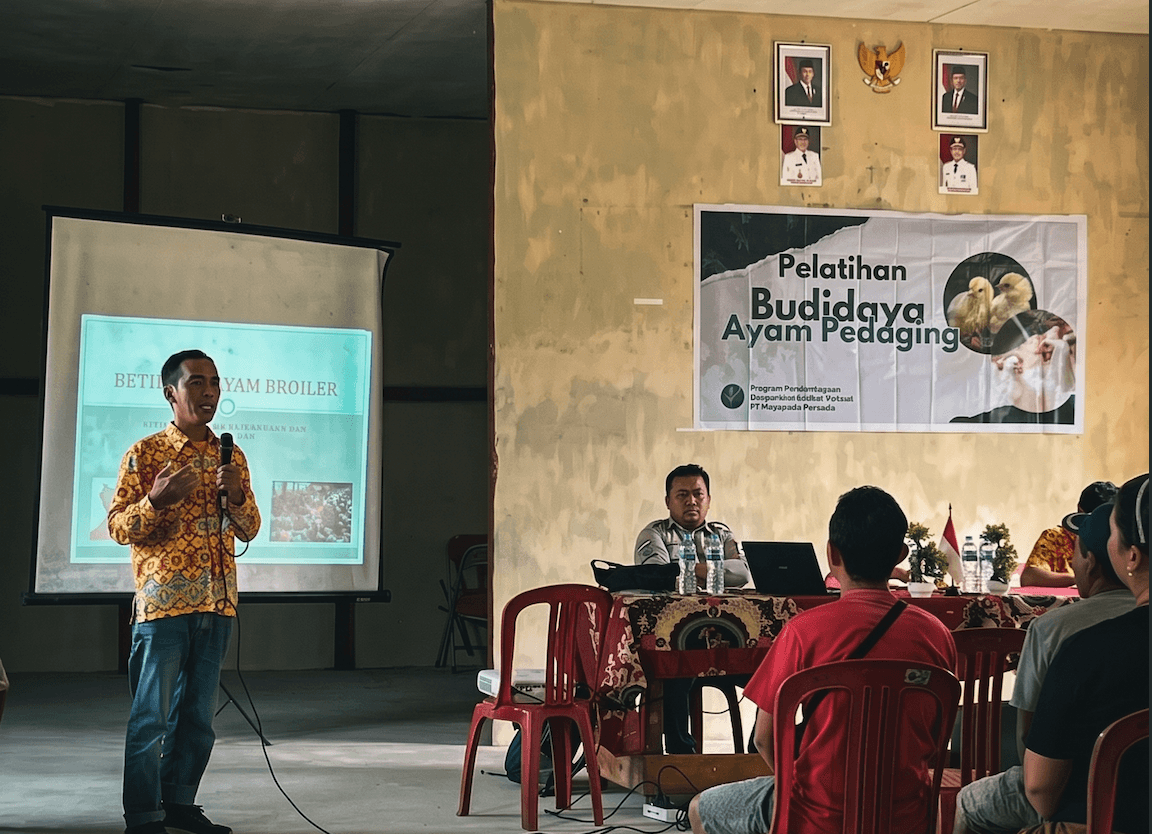 CSR & Community
Bridging Conservation and Community Welfare in Sustainable Landscapes
Read more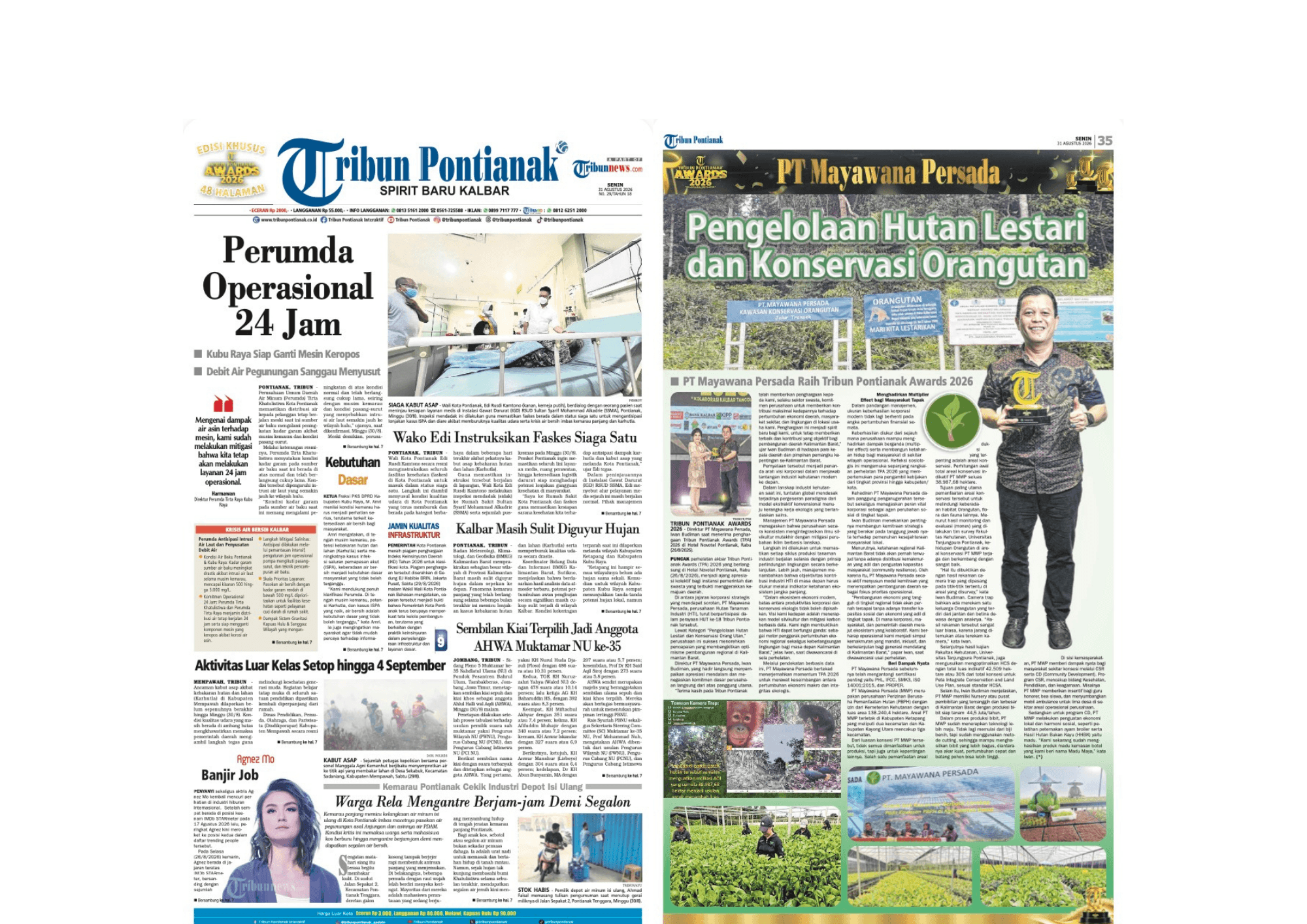 CSR & Community
PT Mayawana Persada Wins at Tribun Pontianak Awards 2026
Read more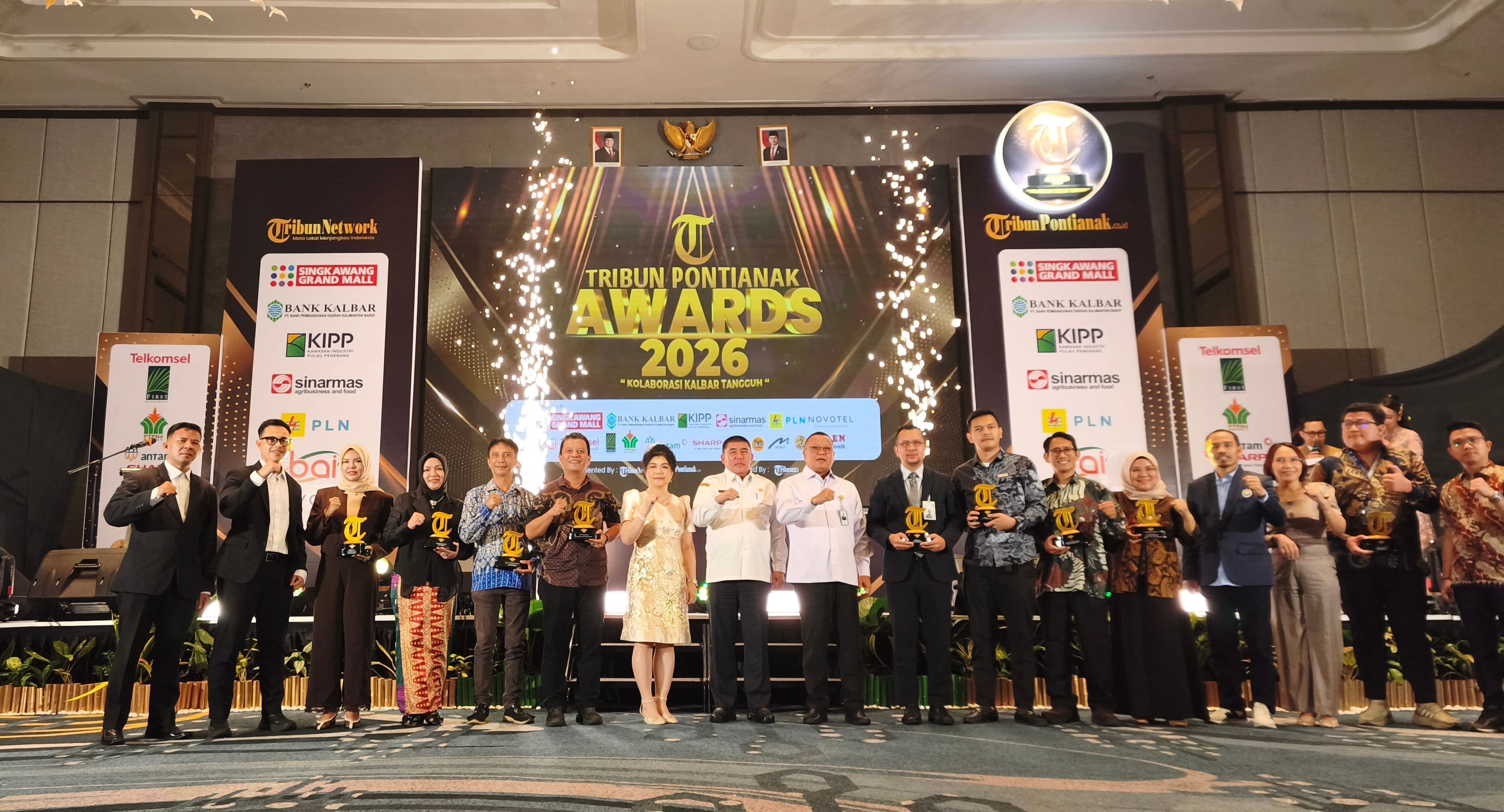 CSR & Community
Driving Regional Growth and Landscape Stewardship, PT Mayawana Persada Earns Recognition at Tribun Pontianak Awards 2026
Read more