


Community-Based Conservation: Safeguarding Forest Sustainability Through Synergy with Local Communities
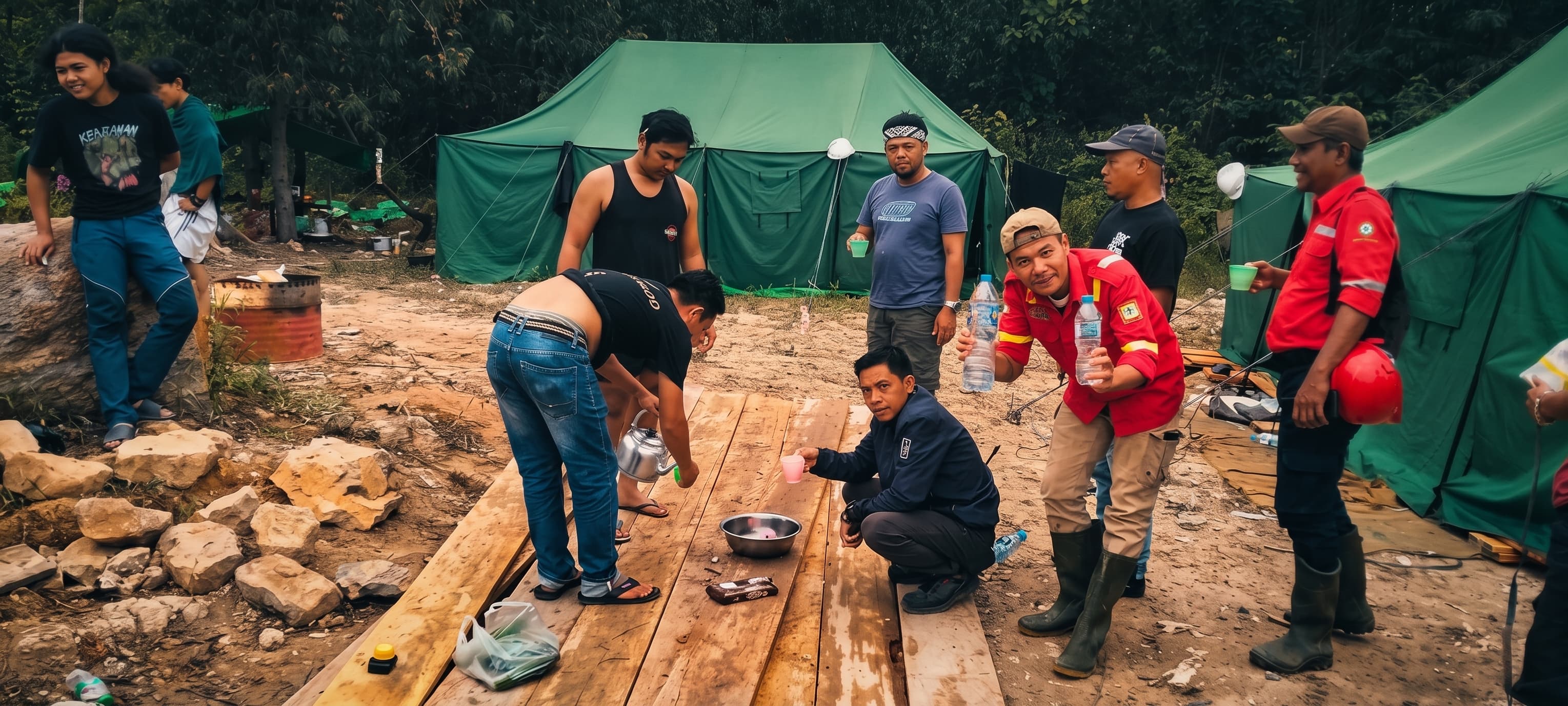
Discover how PT Mayawana Persada integrates community-based conservation, local engagement, and working group collaboration to safeguard forest sustainability.
Efforts to preserve conservation areas and protect biodiversity cannot be shouldered by a single entity alone. Amid increasingly complex environmental protection challenges, long-term success relies heavily on cross-sectoral collaboration involving governments, corporations, academics, civil society organizations, and local residents unified through working group mechanisms.
The community-based conservation approach positions residents surrounding concession areas as primary strategic partners. Through this active engagement, the protection of essential ecosystems—such as High Conservation Value (HCV/NKT) zones, river riparian areas, and wildlife habitats—can operate more effectively and sustainably.
Community Welfare as the Foundation of Forest Sustainability
The core principle of community-based conservation is the conviction that forest sustainability correlates directly with the welfare of surrounding communities. As emphasized by the Dean of the Faculty of Forestry at Universitas Tanjungpura (UNTAN), Dr. Ir. Farah Diba, S.Hut., M.Si., IPU., community involvement forms the primary foundation for long-term conservation success.
"If the community is prosperous, the forest will certainly remain sustainable. Because they feel that from the forest they can grow, earn income, and improve their living standards. So they will protect the forest."
— Dr. Ir. Farah Diba
Conversely, a lack of community engagement and understanding risks increasing pressure and threats against protected areas. Therefore, educational approaches and open dialogues are consistently prioritized to ensure residents understand the boundaries governing protected flora and fauna.

Tangible Community Roles at the Site Level
The synergy between the corporation and the community within the framework of community-based conservation is manifested through several tangible steps in the field:
- Participatory Patrolling and Monitoring: Village residents are actively involved in monitoring areas surrounding the concession to anticipate potential environmental security disturbances, poaching, or illegal land conversion.
- Education and Public Awareness: Through working groups, communities are provided with an understanding of the importance of maintaining ecological functions—ranging from carbon sequestration and oxygen provision to micro-climate stability.
- Measured Sustainable Utilization: This approach also opens opportunities for the wise utilization of areas, such as developing community-driven eco-tourism around high-value natural landscapes (such as waterfalls or natural rapids) managed without degrading forest functions.
With empowered, educated, and actively engaged communities, the ecological functions of conservation areas can continue to operate in harmony with the enhancement of local living standards.
FAQ
What is the significance of community-based conservation at PT Mayawana Persada?
Community-based conservation is an environmental management model that positions local residents as strategic partners in safeguarding protected zones. Through active participation, education, and collaboration within working groups, communities take part in securing areas from destructive threats, ensuring that ecosystem sustainability and community welfare progress hand-in-hand.
Read also
 CSR & Community
PT Mayawana Persada Equips West Kalimantan Forestry Agency with Wildfire Response Gear
Read more Operations & Field Activity
Strengthening Wildfire Prevention, PT Mayawana Persada Imposes Immediate Dismissal for Land Burning
Read more Operations & Field Activity
The Journey Towards Sustainable Forest Management Certification and Responsible Operations
Read more