


Understanding Peatland: Characteristics and Environmental Importance
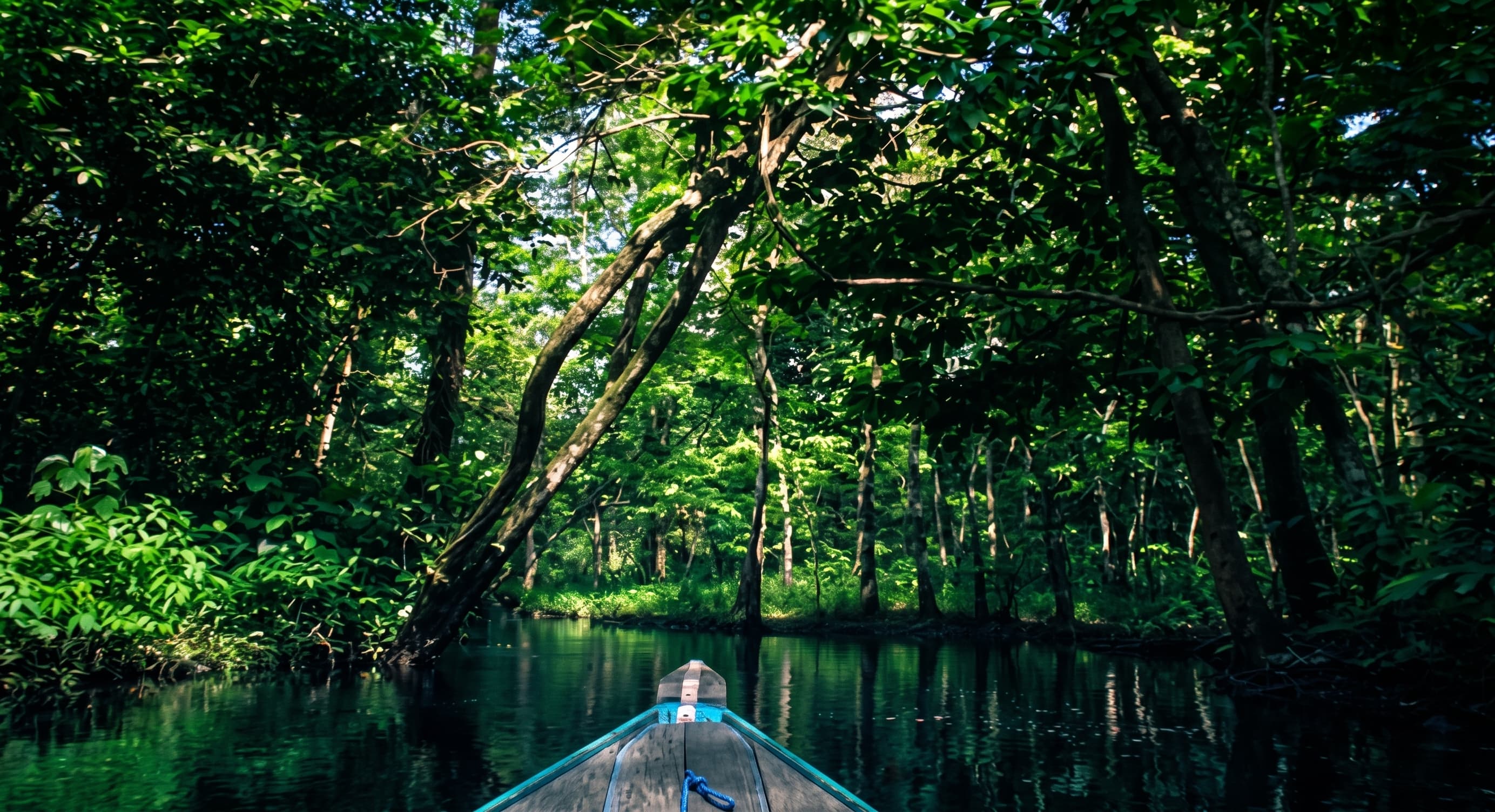
Understand the meaning of peatland, its ecosystem characteristics, and the importance of water governance and environmental preservation with PT Mayawana Persada
Amidst increasingly complex environmental management dynamics, understanding key ecosystems has become crucial. One of the regions playing a vital role in hydrological balance and earth's climate is peatland. The surge in information searches regarding this basic understanding reflects growing public awareness of the importance of preserving sensitive ecological areas.
Understanding Peatland Ecologically
Generally, peatlands refer to wetland types formed from the accumulation of partially decomposed plant remains over thousands of years. Due to water-saturated environmental conditions and a lack of oxygen, this organic matter accumulates to form thick, carbon-rich soil layers.
The main characteristics of this ecosystem include:
- Natural Carbon Sinks: Peat layers act as one of the largest carbon sinks on earth, making it essential to keep them wet to prevent greenhouse gas emissions into the atmosphere.
- Water Cycle Regulators: Peatlands function like giant sponges that absorb water during the rainy season and release it slowly during the dry season.
- High Sensitivity: When peatlands dry out due to lowering water tables, these ecosystems become highly vulnerable to degradation and the risk of forest and land fires (karhutla).
Field-Based Peatland Governance and Restoration
Given its strategic role, peatland management demands a meticulous, measurable, and science-based approach directly at the site level. For forestry industry players like PT Mayawana Persada, peat rehabilitation is comprehensively designed through a Peatland Restoration Document that links water governance, endemic species revegetation, and conservation zone expansion.
Real-world implementation in the field encompasses several key aspects:
- Daily Water Table Control: PT Mayawana Persada's Assistant Head (Askep) of Environment, Agus Trijoko, explains that the company internally maintains the water table at around 40 centimeters to keep the land moist without flooding plant root systems. During the dry season, all canal gates are tightly closed to prevent subsurface fires (smoldering).
- Endemic Species Revegetation: Led by Sustainability Assistant Charia Salasari, the revegetation program utilizes seedlings from internal nurseries located directly within the forest area with a $5\times5$ meter planting distance. Periodic evaluations show that the survival rate of seedlings has reached approximately 80 percent.
- Conservation Area Expansion: In the revised Business Work Plan (RKU), PT Mayawana Persada plans to increase its conservation area coverage from 37,000 hectares to 71,000 hectares, aligned with biosphere reserve policies and wildlife corridor protection.
Read also
 Environment & Biodiversity
6 Essential Aspects of Water Management in Sustainable Forestry Operations
Read more.jpg&w=3840&q=75) Environment & Biodiversity
Environment & BiodiversityWhat is an Industrial Timber Plantation? Understanding Regulations and Field Practices
Read more Environment & Biodiversity
Sowing Quality, Powering Communities: The Crucial Role of PT Mayawana Persada’s High-Tech Nursery
Read more