


Sustainable Forests: Safeguarding Nature and Forestry Benefits for Future Generations
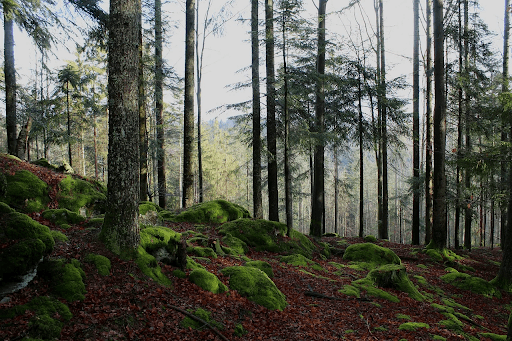
Discover how sustainable forests balance ecological preservation and fiber production through long-term planning, HCV zoning, and science-based forestry.
In the context of natural resource management, sustainable forestry represents an approach that ensures the ecological, economic, and social functions of forests endure over the long term. This means forest resources can be utilized responsibly—provided management actively secures stand regeneration, safeguards biodiversity, preserves hydrological regulation, and delivers tangible community welfare.
Consequently, forest sustainability must be evaluated through how a landscape is systematically planned, managed, monitored, and continuously improved. Key benchmarks include the legal gazetting of conservation reserves, continuous vegetative regeneration, wildlife habitat protection, soil and water stewardship, operational impact mitigation, and meaningful community participation in resource governance.
What Is a Sustainable Forest?
A sustainable forest is a forest managed responsibly to preserve its ecological, economic, and social functions indefinitely.
Sustainability does not dictate that a forest must remain completely devoid of human activity. The true benchmark is whether management operations proceed without impairing the ecosystem's capacity to regenerate and provide essential environmental dividends for future generations.
Core characteristics of a sustainable forest encompass:
- Secured forest regeneration: driven by disciplined replanting and silvicultural tending following timber extraction.
- Protected biological diversity: safeguarding wildlife habitats, nesting territories, and primary food sources.
- Spatial differentiation: strictly segregating commercial production zones from non-commercial conservation reserves.
- Preserved ecosystem services: maintaining hydrological cycles, topsoil fertility, and carbon sink dynamics.
- Enduring socio-economic dividends: supporting local community livelihoods and public infrastructure.
- Data-driven governance: grounded in long-term spatial planning, regular audits, and independent empirical evaluations.
Ultimately, sustainable forestry is about striking an enduring equilibrium between resource utilization and environmental preservation—ensuring working landscapes remain economically productive while safeguarding ecological integrity for generations ahead.
Sustainable Forestry Demands Long-Term Spatial Planning

A vital prerequisite for achieving sustainable forestry is rigorous, long-term spatial planning. Every land-use activity must be structured within clear spatial boundaries so commercial production blocks and conservation areas are managed under distinct, non-negotiable operational guidelines.
This governance model is reflected in operational frameworks adopted by PT Mayawana Persada. Operating under the statutory PBPH business license regime, forestry planning integrates production, ecological, and social parameters across five distinct phases: planning, nursery propagation, planting, silvicultural maintenance, and responsible harvesting.
Within sustainable tree plantations, the plant-maintain-harvest-replant rotation serves as the cornerstone of continuous fiber supply. Operating high-capacity nursery facilities guarantees an uninterrupted flow of healthy seedlings to sustain upcoming rotations. Resource utilization looks beyond single-rotation yields to prioritize field readiness for perpetual landscape regeneration.
Differentiating Production Compartments and Conservation Reserves
Another hallmark of sustainable forestry is the permanent protection of ecologically sensitive environments. Publicly accessible SFM-IFCC assessment documentation confirms that PT Mayawana Persada's working concession encompasses diverse conservation zones: wildlife sanctuaries, germplasm preservation areas, peat ecosystem protection zones, riparian buffers, and ecological buffer zones. These regulatory frameworks mandate continuous flora and fauna monitoring alongside proactive habitat conservation.
This spatial segregation is crucial because intact conservation reserves preserve vital wildlife living spaces and stabilize landscape-scale environmental functions. Protecting High Conservation Value (HCV) zones requires ongoing surveillance so microclimatic variations and habitat alterations can be verified and managed promptly.
Biodiversity Stewardship as a Core Operational Pillar
Biological diversity serves as a primary barometer of sustainable forest management. Forest stewardship decisions must therefore be anchored in empirical research and verifiable field data.
To ground its conservation decisions in science, PT Mayawana Persada collaborates with the Faculty of Forestry at Tanjungpura University. This partnership encompasses orangutan conservation monitoring and evaluation, population and distribution studies, and High Carbon Stock (HCS) assessments. Such academic alliances provide the empirical baseline required for objective environmental governance.
On the ground, wildlife preservation is reinforced through connected habitat corridors, protective buffer zones, ongoing camera-trap surveys, and enrichment planting with native flora that supply natural sustenance and canopy shelter for endemic fauna. Empirical biodiversity telemetry enables spatial managers to prioritize critical conservation sectors and audit management efficacy over time.
Multi-Dimensional Benefits for Landscapes and Communities
A responsibly managed forest delivers societal value that extends far beyond timber metrics. It regulates watershed hydrology, mitigates soil erosion, captures atmospheric carbon, provides wildlife sanctuaries, and underpins the social vitality of neighboring forest communities.
Operational policies integrate environmental, social, and silvicultural performance into a unified standard. Corporate social responsibility initiatives translate this commitment into targeted investments: community economic empowerment, educational capacity-building, basic healthcare access, and environmental stewardship.
Ultimately, sustainable forestry is an ongoing operational journey balancing resource production with ecological preservation. Long-term spatial planning, the spatial separation of production and conservation, rapid silvicultural replanting, dedicated habitat protection, empirical biodiversity research, and multi-stakeholder collaboration form the non-negotiable foundation of resilient forest landscapes.
For operators like PT Mayawana Persada, sustainability is not merely about maintaining fiber output today. It is about guaranteeing that ecological services and community dividends endure for future generations. Continuous evaluation and adaptive management remain the key to ensuring sustainable forestry principles are applied consistently and reinforced over time.
FAQ
What defines a sustainable forest?
A sustainable forest is a forest managed responsibly to maintain its ecological, economic, and social functions over the long term. Rather than requiring absolute preservation from human presence, it permits planned resource utilization provided that regeneration, biodiversity, hydrological cycles, and community welfare are permanently maintained.
Does sustainable forestry prohibit timber utilization?
No. Sustainable forestry allows for the planned, responsible extraction of forest products. The critical requirement is ensuring that harvesting never compromises the forest's ability to regenerate naturally or artificially, preserving broader ecosystem stability.
What are the key benchmarks of a sustainable forest?
Key indicators include consistent stand regeneration, the protection of High Conservation Value (HCV) areas, viable wildlife biodiversity, watershed and topsoil conservation, strict operational impact mitigation, and sustainable socio-economic benefits for local populations.
How does PT Mayawana Persada implement sustainable forestry principles?
PT Mayawana Persada implements long-term spatial planning that strictly differentiates commercial production compartments from permanent conservation reserves. A continuous cycle of planting, tending, harvesting, and replanting guarantees unbroken operational sustainability.
How is stand regeneration executed within sustainable tree plantations?
Regeneration follows an integrated silvicultural cycle: centralized nursery propagation, field planting, silvicultural tending, responsible harvesting, and immediate replanting. This closed loop ensures harvested compartments are promptly reforested, preserving sustained land productivity and ecological functions.
Read also
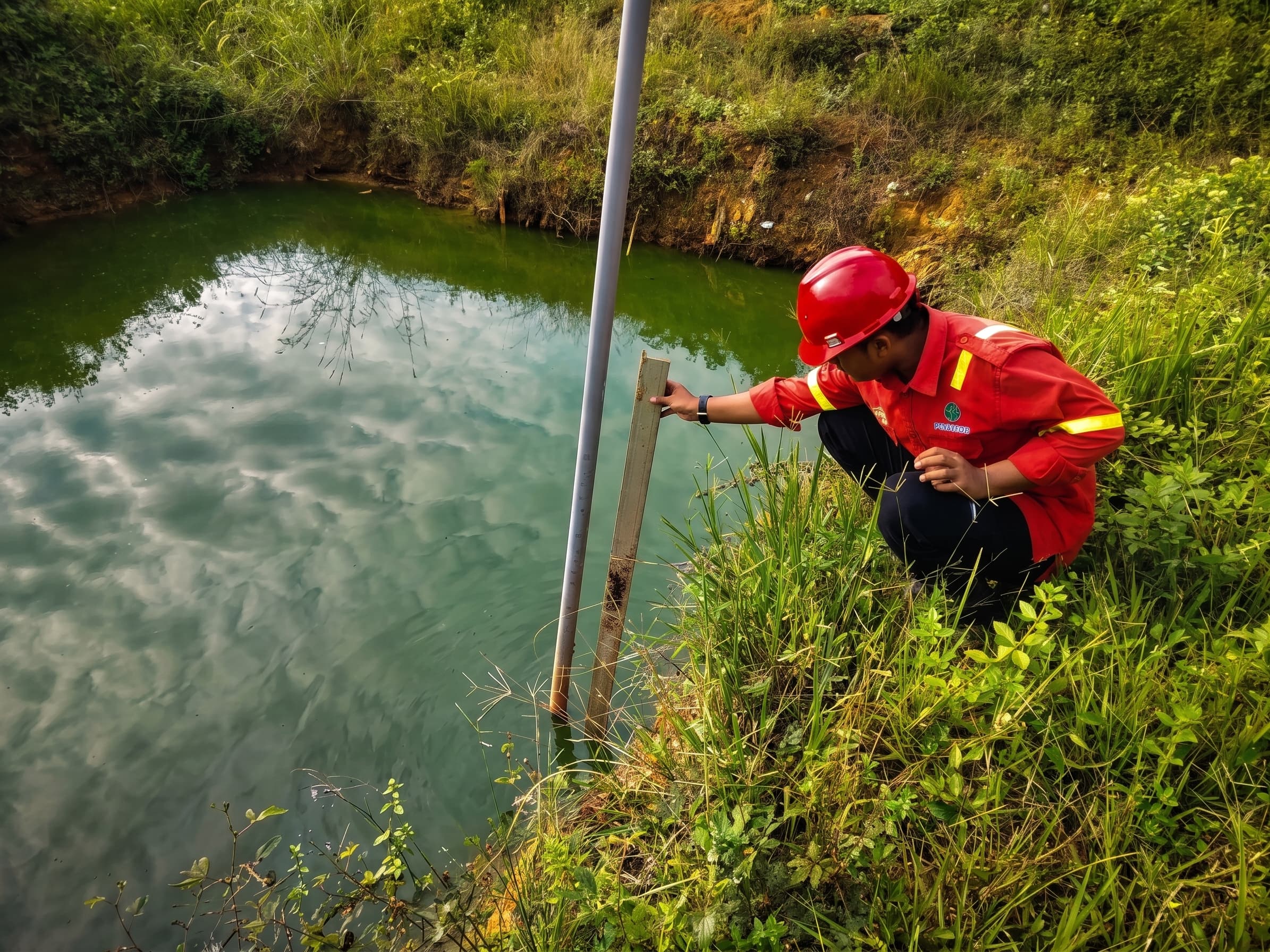 Operations & Field Activity
Enhancing Water Governance and Peatland Hydrology Management
Read more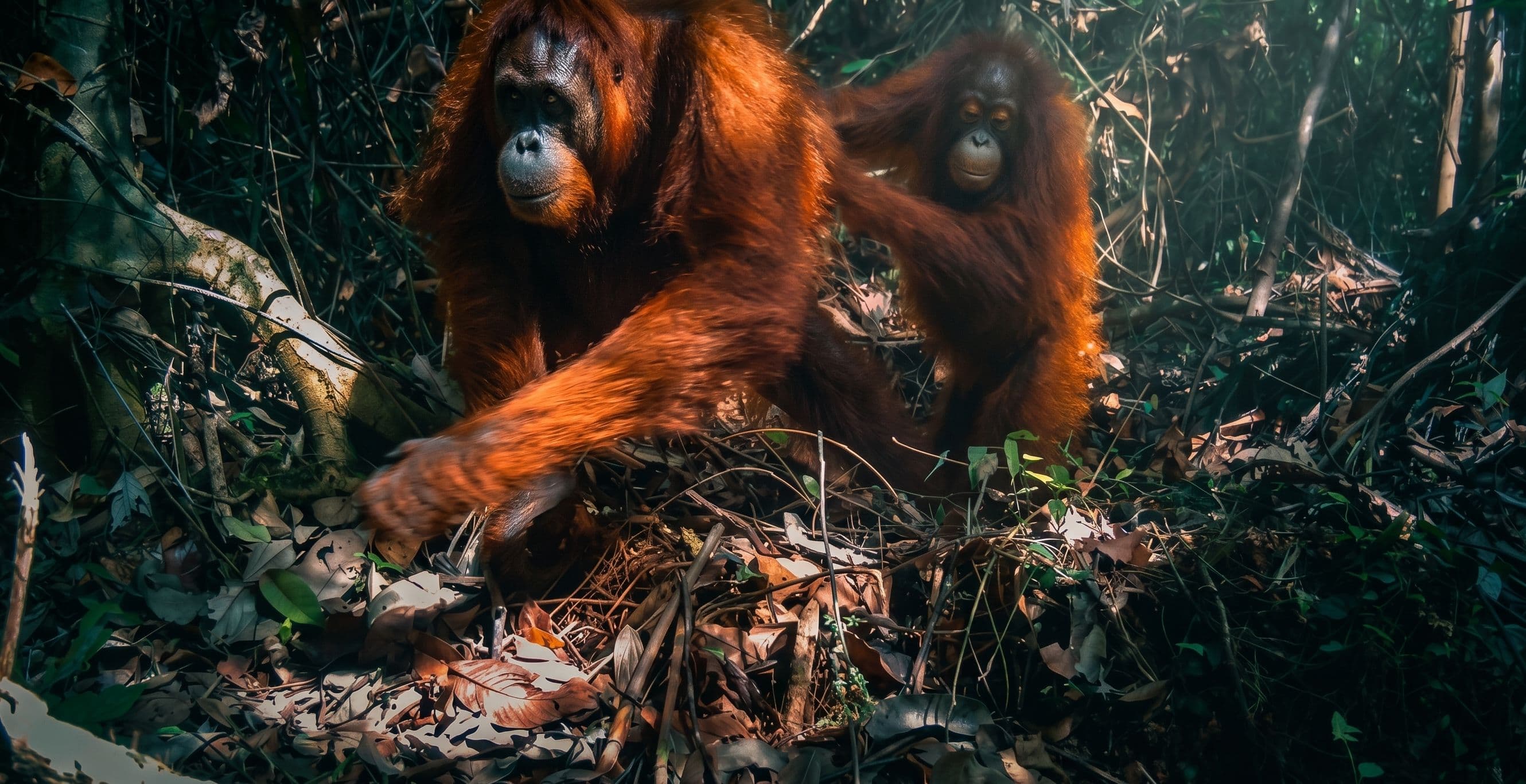 Environment & Biodiversity
Protecting Endangered Habitats: Conservation Commitments in Indonesian Borneo
Read more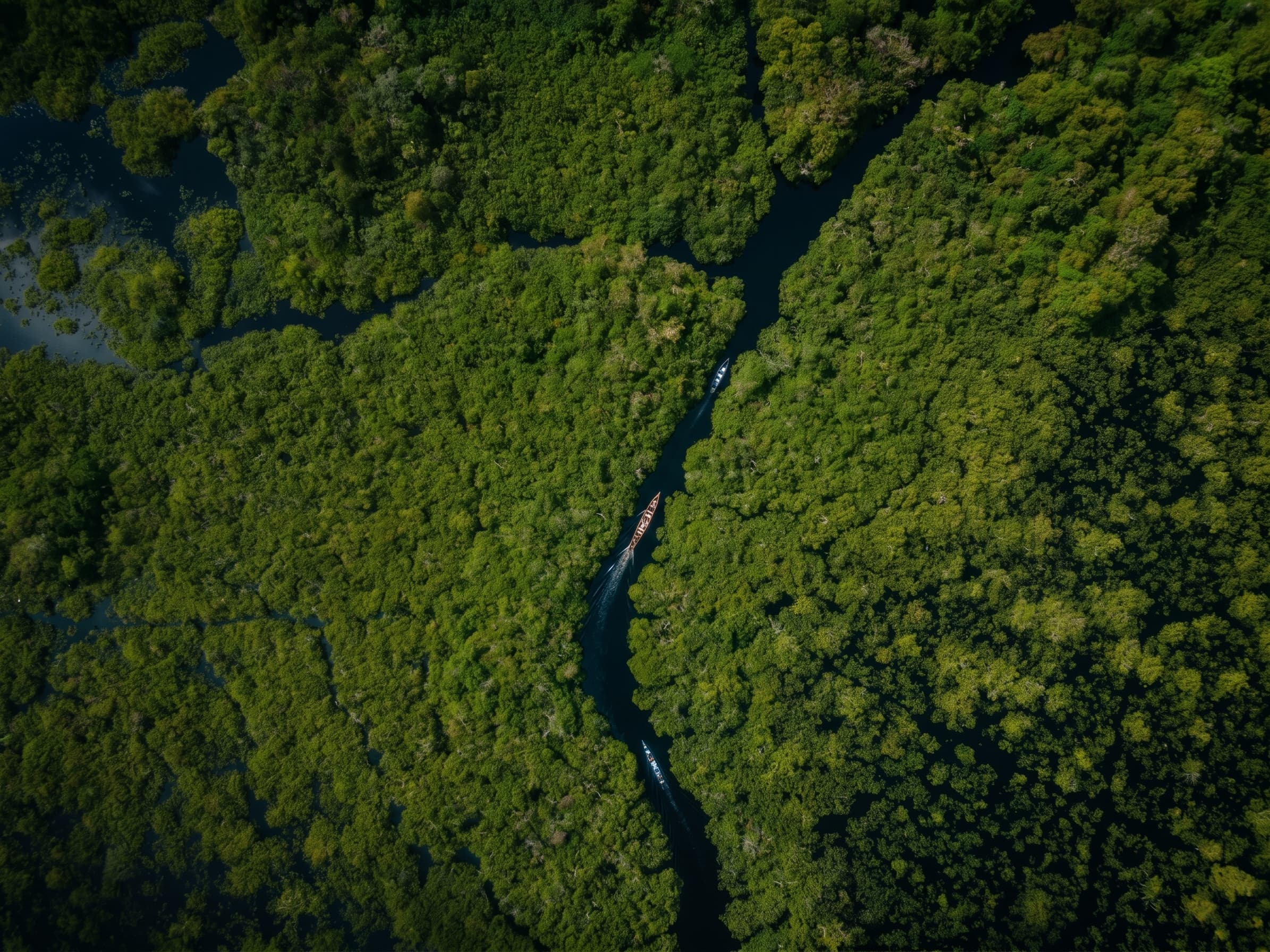 Environment & Biodiversity
Borneo Forests: Exploring Native Vegetation and Peatland Characteristics
Read more