


Safeguarding Protected Wildlife Areas and Endemic Species Habitats
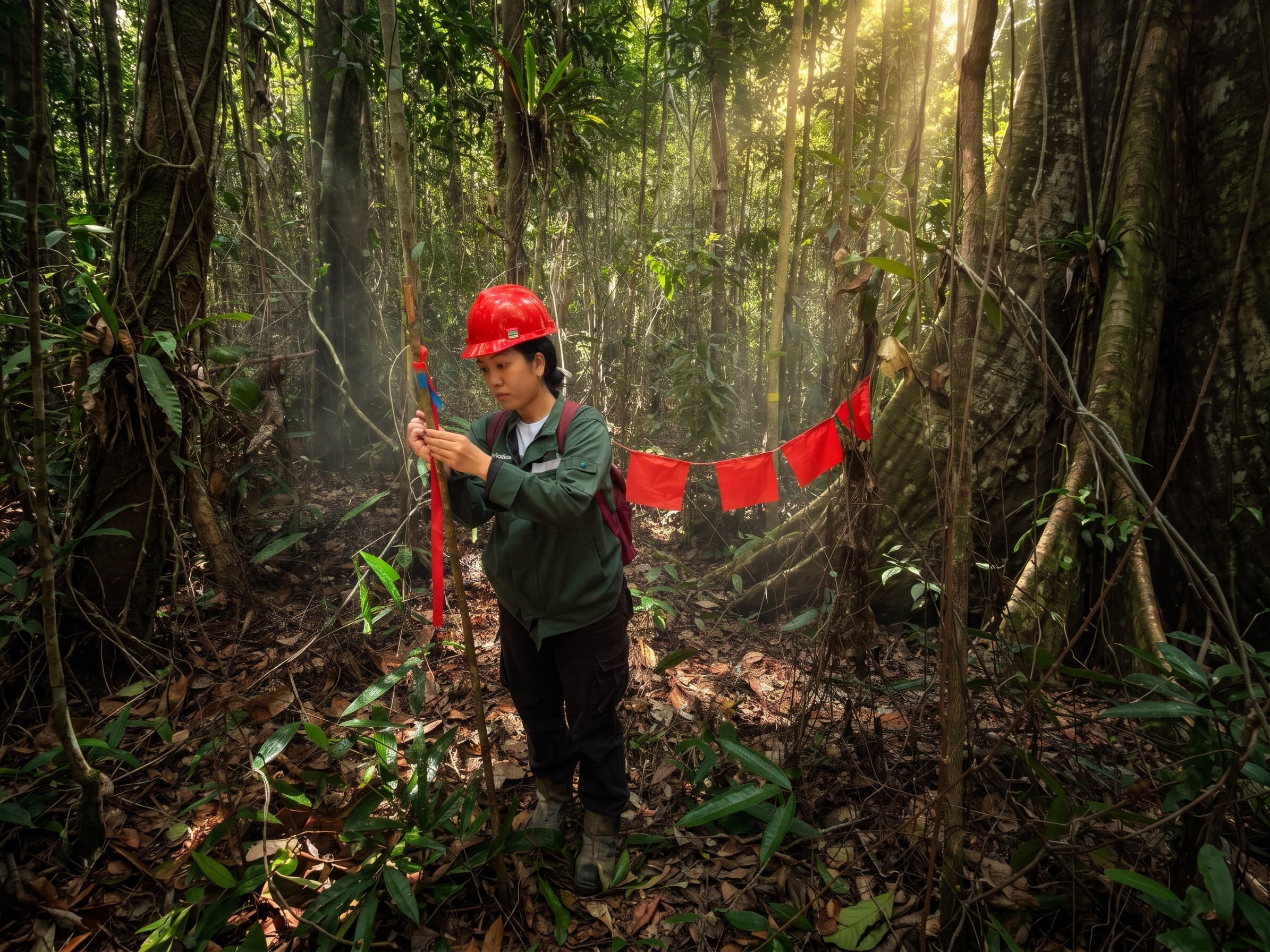
Explore how PT Mayawana Persada implements global conservation standards to safeguard wildlife corridors and protect endangered species in Borneo.
Protecting critical ecosystems and maintaining functional ecological networks are foundational priorities for modern landscape management. As biodiversity pressures escalate globally, safeguarding natural habitats and securing movement corridors has evolved from a theoretical framework into an operational necessity. Grounded in robust international benchmarks, responsible land management requires strict spatial protection, continuous field monitoring, and collaborative frameworks to ensure industrial footprints and wildlife populations coexist safely.
Global Best Practices in Wildlife Protection and Connectivity
International conservation frameworks—such as Protected Planet assessments and the IUCN Green List standards—emphasize that the long-term survival of endangered species depends on moving beyond isolated nature reserves. Effective global strategies rely on:
- Landscape-Level Connectivity: Prioritizing green corridors to prevent protected areas from becoming ecological islands, ensuring natural migration routes and genetic exchange.
- Science-Based Spatial Planning: Utilizing baseline studies, High Conservation Value (HCV) mapping, and spatial tools to identify critical breeding and feeding grounds prior to operations.
- Non-Invasive Monitoring: Deploying automated camera trap networks to track animal behavior and population trends continuously without disrupting daily routines.
- Inclusive Governance: Integrating academic institutions, NGOs, regulators, and local communities into co-management frameworks to guard against poaching and habitat fragmentation.

PT Mayawana Persada’s On-the-Ground Implementation
Translating these global conservation principles into daily management requires rigorous execution and dedicated protection zones within the tropical forestry landscapes of Indonesian Borneo.
1. Academic Research and Non-Invasive Mapping
To designate conservation zones accurately, PT Mayawana Persada partners directly with the Faculty of Forestry at Universitas Tanjungpura (UNTAN) and the Ecology and Conservation Center for Tropical Studies (Ecositrop). Field research led by experts like Dr. Ir. Farah Diba, S.Hut., M.Si., IPU. combines systematic transects with 40 camera traps across conservation blocks, delivering precise, non-invasive data on wildlife presence and movement.
2. Documented Evidence of Thriving Habitats
Empirical data from these monitoring programs confirm the high ecological value of the company's protected zones. Camera traps have successfully documented healthy populations of sun bears (Helarctos malayanus), diverse native birds, and critical sightings of a mother Bornean orangutan (Pongo pygmaeus) carrying her infant—serving as a primary bio-indicator of adequate food sources and safe breeding environments. Additionally, botanical surveys have identified rich flora assemblages, including pitcher plants (Nepenthes) and Dipterocarpaceae families, reinforcing the area's robust HCV status.
3. Actionable Conservation Execution
To protect these habitats permanently, PT Mayawana Persada enforces key recommendations derived from independent scientific research:
- Permanent HCV Protection: Keeping designated high-biodiversity areas under strict protection so they are never converted into production zones.
- Connected Wildlife Corridors: Establishing continuous habitat pathways between blocks to prevent concession boundaries from severing natural foraging and breeding routes.
- Conservation Area Expansion: Scaling up landscape commitments through its revised Business Work Plan (RKU), planning an increase in protected coverage from 37,000 hectares to 71,000 hectares to support regional biosphere reserve goals and multi-stakeholder Working Groups.
Read also
 Environment & Biodiversity
Borneo Forests: Exploring Native Vegetation and Peatland Characteristics
Read more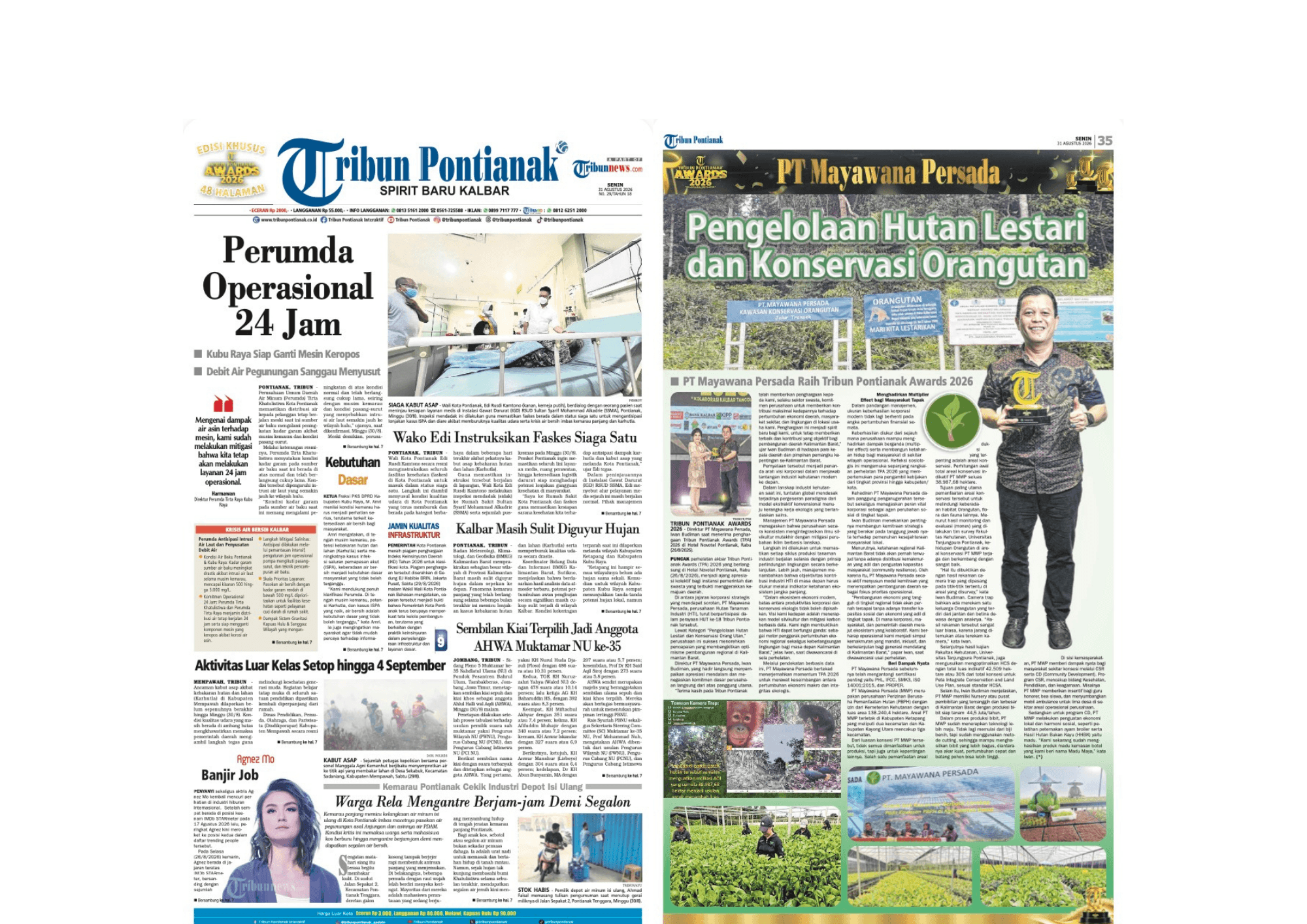 CSR & Community
PT Mayawana Persada Wins at Tribun Pontianak Awards 2026
Read more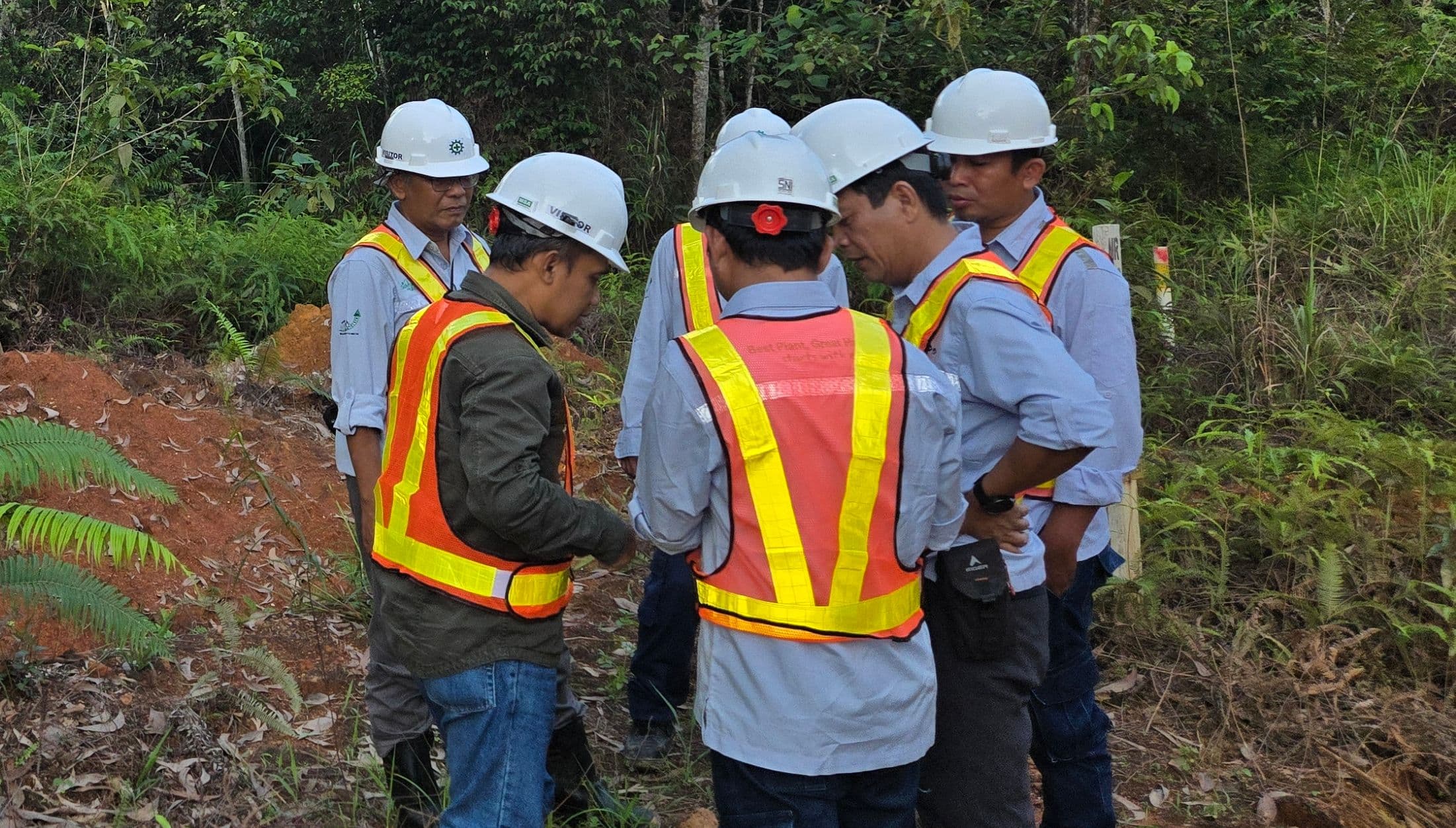 Environment & Biodiversity
Strengthening Sustainable Forest Governance Through Certification and Multi-Stakeholder Collaboration
Read more