


Unveiling the Bornean Orangutan: Characteristics, Behavior, Distribution, and PT Mayawana Persada’s Habitat Protection Efforts
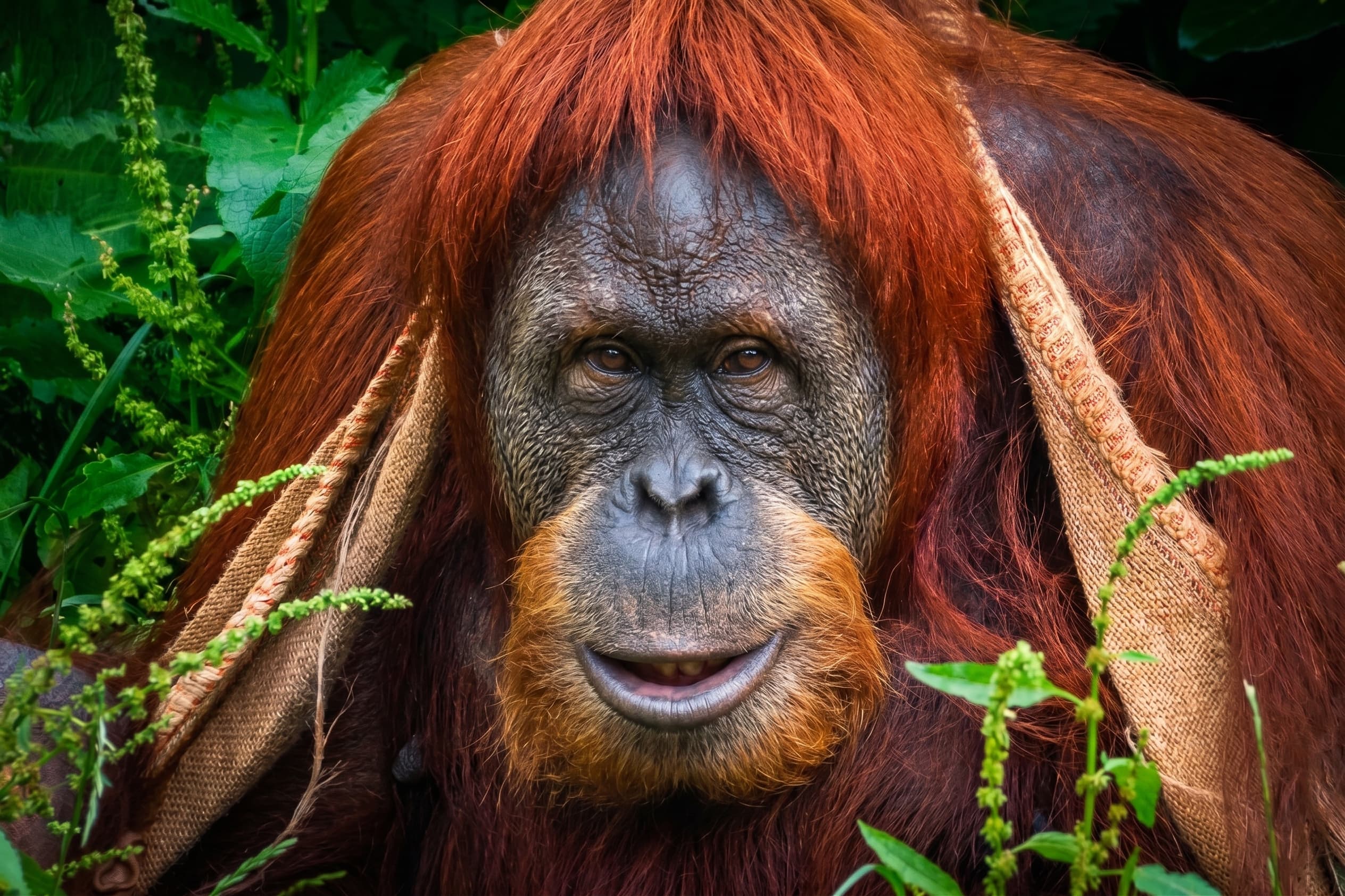
Explore the physical traits, lifestyle, and distribution of the Bornean orangutan, alongside PT Mayawana Persada's conservation efforts.
The Bornean orangutan (Pongo pygmaeus) stands as one of the Earth's most iconic wildlife species and the largest arboreal primate in Asia. Affectionately known as the "person of the forest," this remarkable primate serves as a vital bio-indicator for the overall health of tropical rainforest ecosystems. Amidst growing environmental pressures, a deep understanding of their biological traits, behavioral patterns, and habitat protection is essential to ensuring their long-term survival in the wild.
Distinct Physical Traits and Anatomy
As the world's largest tree-dwelling mammal, the Bornean orangutan possesses specialized physical adaptations tailored for life high within the forest canopy:
- Body and Coat: They feature coarse, reddish-brown fur accompanied by extraordinarily long arms, reaching up to 1.5 meters, which provide immense strength for swinging and traveling between trees.
- Sexual Dimorphism: Mature adult males are significantly larger, developing broad cheek flanges and a large throat sac. This pouch is used to produce echoing long calls that can carry over a kilometer through the dense forest to attract mates.
- Specialized Grip: Their fingers and toes are long and curved, designed specifically for a powerful, specialized grip (quadrumanous locomotion) while navigating branches.
Lifestyle and Natural Behavior
Orangutans exhibit a unique social structure and behavioral pattern that sets them apart from other great apes:
- Solitary and Flexible Territory: Most of their time is spent in solitude, with the exception of mothers rearing their dependent offspring. Adult males are particularly solitary, approaching females primarily during mating seasons.
- High Intelligence and Nest-Building: They possess remarkable spatial memory, allowing them to recall the fruiting cycles of scattered trees across vast home ranges. Every single day, orangutans construct fresh canopy nests using woven branches and leaves for nighttime sleep or midday resting.
- Frugivorous Diet: Their primary diet consists of sugar-rich fruits such as wild figs, durians, and various legumes. When fruit availability drops during seasonal shifts, they rely on "fallback foods" like tree bark, young leaves, and pith.
Geographic Distribution and Subspecies in Borneo
As an endemic species native exclusively to the island of Borneo, Pongo pygmaeus populations are distributed across parts of Indonesia (Kalimantan) and Malaysia (Sabah and Sarawak). Driven by genetic divergence and geographical barriers, Bornean orangutans are categorized into three main subspecies:
- Pongo pygmaeus pygmaeus (Northwest): Inhabits Sarawak (Malaysia) and the northern sector of West Kalimantan (Indonesia).
- Pongo pygmaeus wurmbii (Central): Distributed across southern West Kalimantan and Central Kalimantan provinces.
- Pongo pygmaeus morio (East and North): Found throughout Sabah (Malaysia), North Kalimantan, and eastern Borneo down to the Mahakam River basin.
Their natural habitats primarily encompass lowland areas, mixed tropical rainforests, and peat swamp ecosystems.

PT Mayawana Persada’s Commitment to Safeguarding Orangutan Populations
Securing a future for endangered species like the orangutan demands tangible, on-the-ground commitments driven by science-based forestry practices. Across its operational landscape in West Kalimantan, PT Mayawana Persada actively integrates wildlife protection directly into its environmental management frameworks:
- Academic Biodiversity Research Collaboration: PT Mayawana Persada partners directly with the Faculty of Forestry at Universitas Tanjungpura (UNTAN) alongside specialized ecological research centers to map and monitor local biodiversity. Non-invasive monitoring using a network of 40 camera traps across designated conservation zones has successfully captured critical milestones—including a mother orangutan carrying her infant—verifying that these protected areas provide secure food sources and safe breeding grounds.
- Permanent High Conservation Value (HCV) Zone Protection: Guided by independent scientific recommendations, the company maintains a firm commitment to preserving high-biodiversity areas as permanent conservation zones, keeping them strictly off-limits to industrial land conversion.
- Integrated Wildlife Corridor Development: Establishing continuous, connected habitat pathways between isolated conservation blocks. These protected corridors ensure that natural movement patterns, migration routes, and foraging ranges remain entirely uninterrupted by concession boundaries.
- Conservation Area Expansion: Through a comprehensive revision of its Business Work Plan (RKU), PT Mayawana Persada is scaling up its protected landscape commitments by expanding its conservation area coverage from 37,000 hectares to 71,000 hectares. This expansion aligns directly with regional biosphere reserve goals and multi-stakeholder Working Group initiatives.
Read also
 Environment & Biodiversity
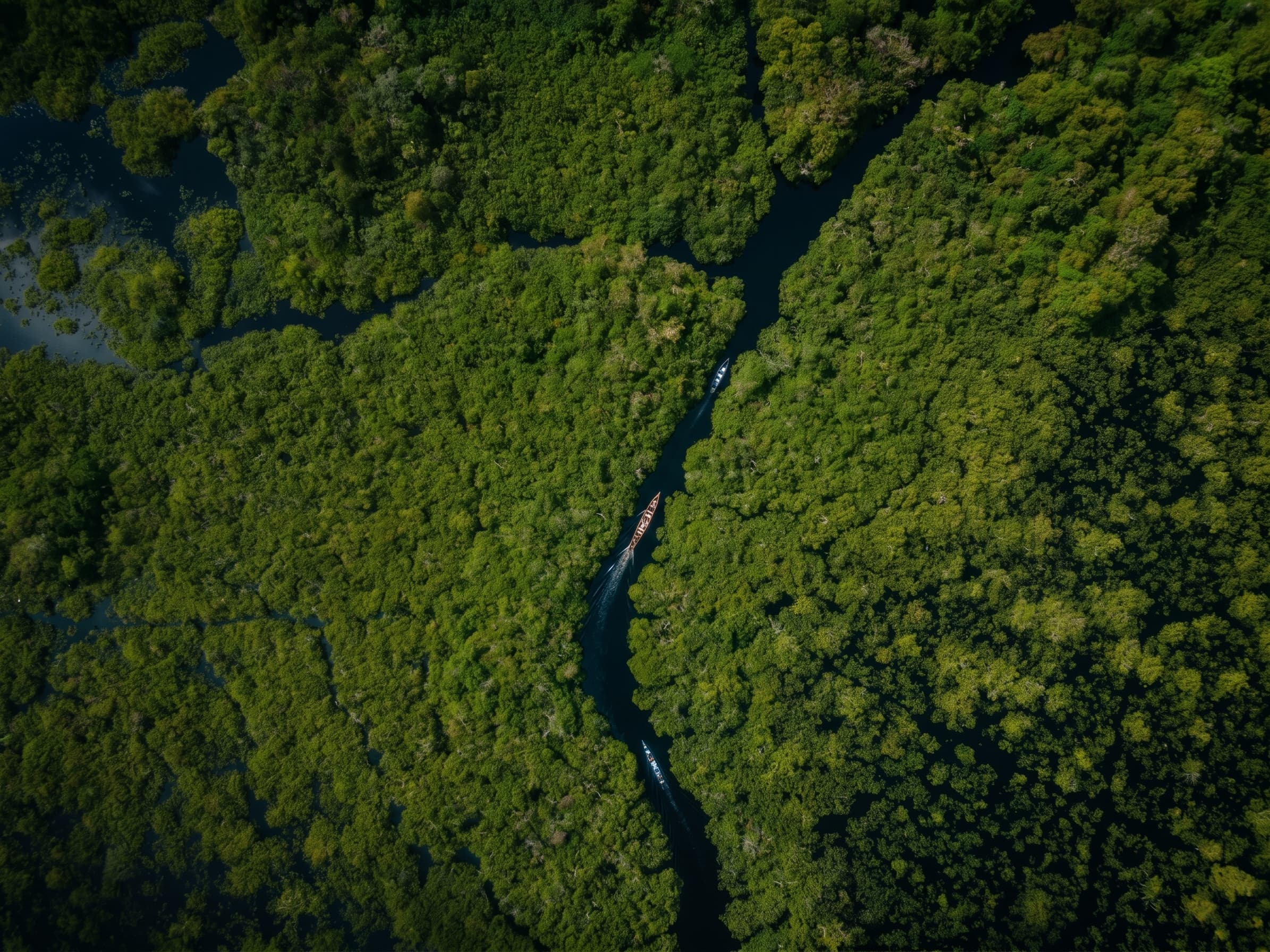
Borneo Forests: Exploring Native Vegetation and Peatland Characteristics
Read more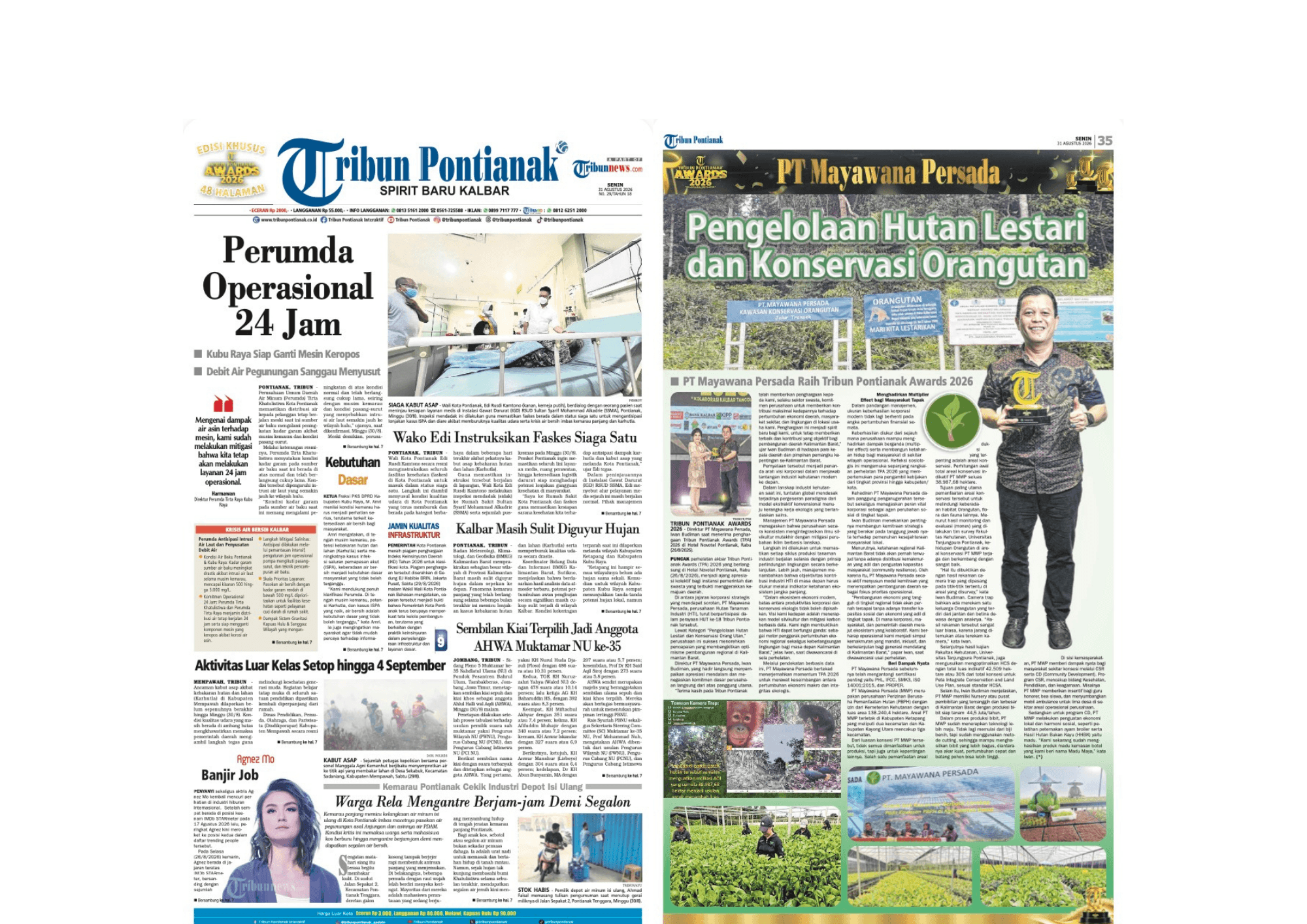 CSR & Community
PT Mayawana Persada Wins at Tribun Pontianak Awards 2026
Read more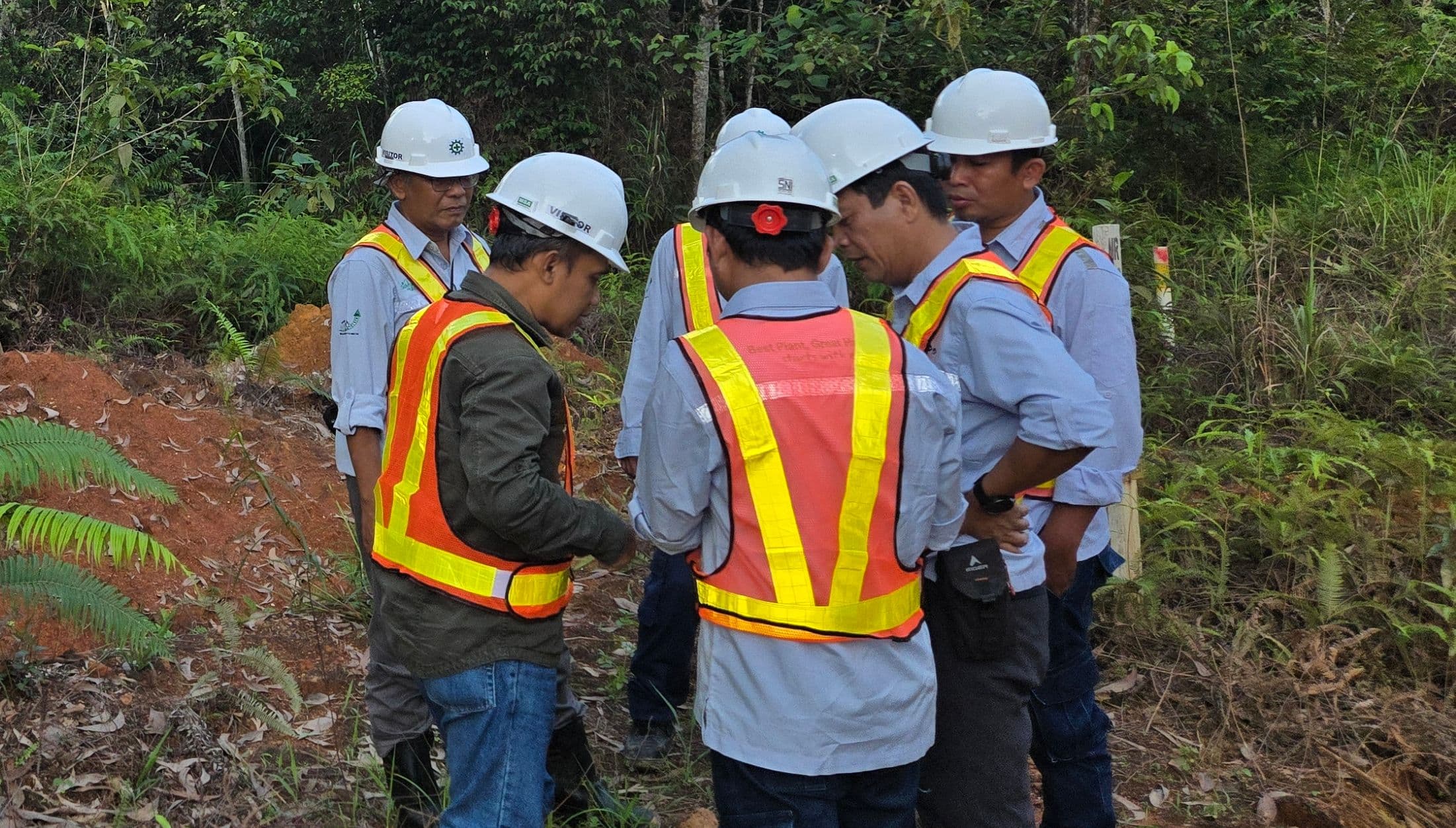 Environment & Biodiversity
Strengthening Sustainable Forest Governance Through Certification and Multi-Stakeholder Collaboration
Read more