


Bridging Conservation and Community Welfare in Sustainable Landscapes
Explore how bridging conservation and community welfare in sustainable landscapes drives environmental protection and local prosperity in Borneo.
The future of tropical forestry hinges on a fundamental realization: ecological preservation and community prosperity are not competing interests, but interdependent pillars of sustainable development. Across the rich landscapes of Indonesian Borneo, safeguarding vital ecosystems like rainforests and carbon-rich peatlands requires active local participation. As international scrutiny and global sustainability standards demand greater transparency, aligning rigorous conservation frameworks with the socio-economic well-being of forest-dependent communities has become an operational imperative.
The Nexus of Environmental Stewardship and Social Equity
Forest conservation initiatives often face hurdles when implemented in isolation from the populations living closest to them. Indigenous groups and local communities possess deep-rooted traditional knowledge that is vital for effective land stewardship.
Sustainable landscapes can only endure when environmental protection goes hand in hand with community empowerment. By integrating local populations into conservation planning, forestry operators ensure that forest preservation directly contributes to sustainable livelihoods, food security, and regional stability.
PT Mayawana Persada’s Real-World Model for Community Empowerment
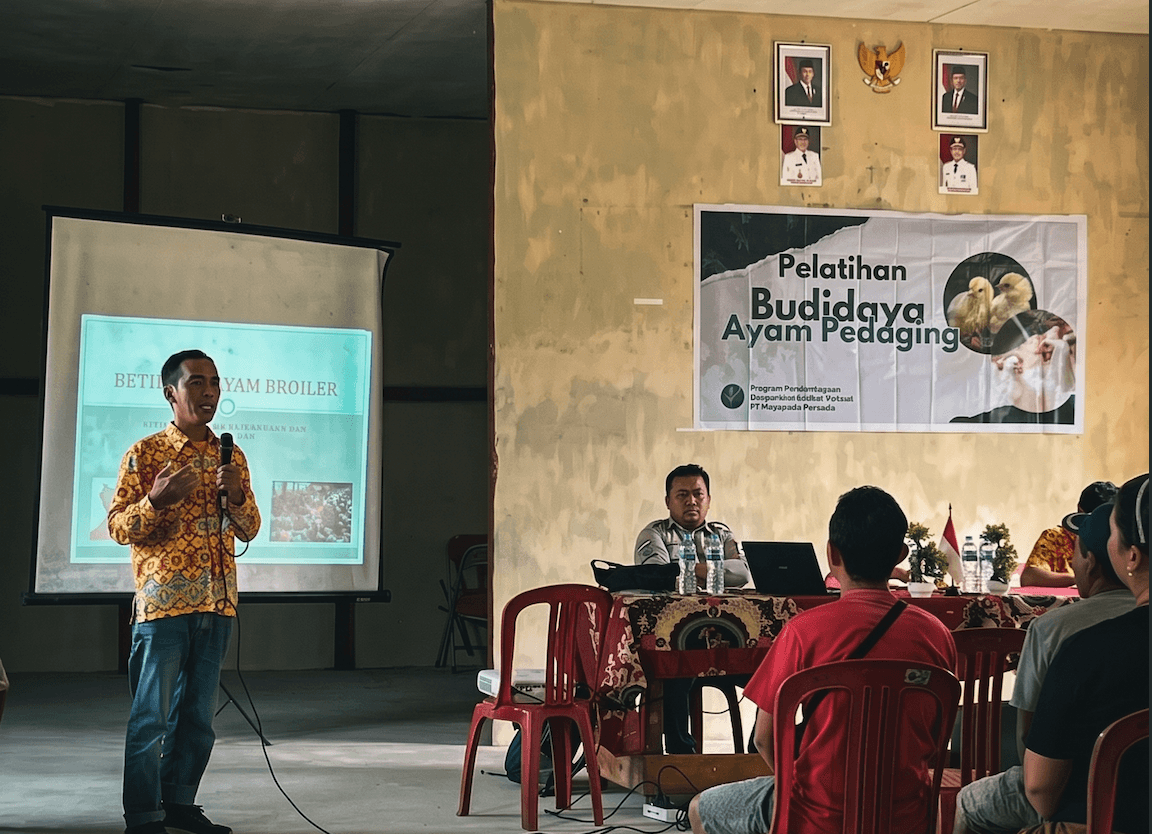
True community empowerment goes beyond mere assistance; it focuses on building local capabilities so that villages can manage their resources independently and sustainably. Communities living around forest areas possess generations of traditional knowledge in agriculture, agroforestry, and fisheries. Rather than erasing these livelihoods, sustainable development strengthens them to yield higher economic value.
In practice, PT Mayawana Persada implements structured, village-specific empowerment strategies across its operational areas:
- Identifying Local Potential: Programs begin by mapping individual skills, natural resources, land conditions, and market opportunities in each unique village to ensure interventions are precisely targeted to local characteristics.
- Strengthening Traditional Livelihoods: Enhancing local practices through optimized agroforestry (such as rice agroforestry), productive horticulture, and sustainable local fisheries without compromising environmental integrity.
- Building Local Supply Chains and Cooperatives: Creating economic certainty by absorbing local agricultural and fishery products for operational needs, while strengthening community cooperatives to organize production, improve bargaining power, and expand market access beyond a single buyer.
- Skills Training and Alternative Incomes: Providing technical and entrepreneurial training to diversify household income sources, ensuring long-term economic resilience when specific sectors face market fluctuations.
Core Strategies for Collaborative Landscapes
Integrating community empowerment with large-scale environmental protection forms the backbone of modern sustainable forestry:
- Participatory Conservation Programs: Engaging local communities directly in biodiversity monitoring, patrol activities, and the protection of High Conservation Value (HCV) areas. By fostering independent scientific research alongside local engagement—such as PT Mayawana Persada's academic partnerships for flora-fauna mapping and orangutan monitoring—operators ensure transparent and measurable conservation outcomes.
- Wildlife Corridor Protection: Ensuring continuous canopy cover and restricted zones where endangered species can move, forage, and breed safely, supported by community-led vigilance against illegal encroachment.
- Inclusive Governance: Establishing open dialogue channels to ensure that community voices actively shape land-use decisions and corporate sustainability strategies, transforming the corporate-community relationship into a true, mutually beneficial partnership.
Moving Forward: Shared Value in Global Forestry
The soaring global interest in sustainable forest management—highlighted by massive surges in international searches concerning community conservation and ecological management—signals that modern markets value holistic impact. International investors, environmental watchdogs, and global stakeholders increasingly expect corporate entities to demonstrate verifiable environmental, social, and governance (ESG) performance.
Ultimately, bridging conservation and community welfare creates a resilient framework where both nature and people thrive. By combining rigorous ecological protection with grassroots economic independence, operators like PT Mayawana Persada demonstrate that long-term forest sustainability and human prosperity are inseparable.
Read also
 CSR & Community
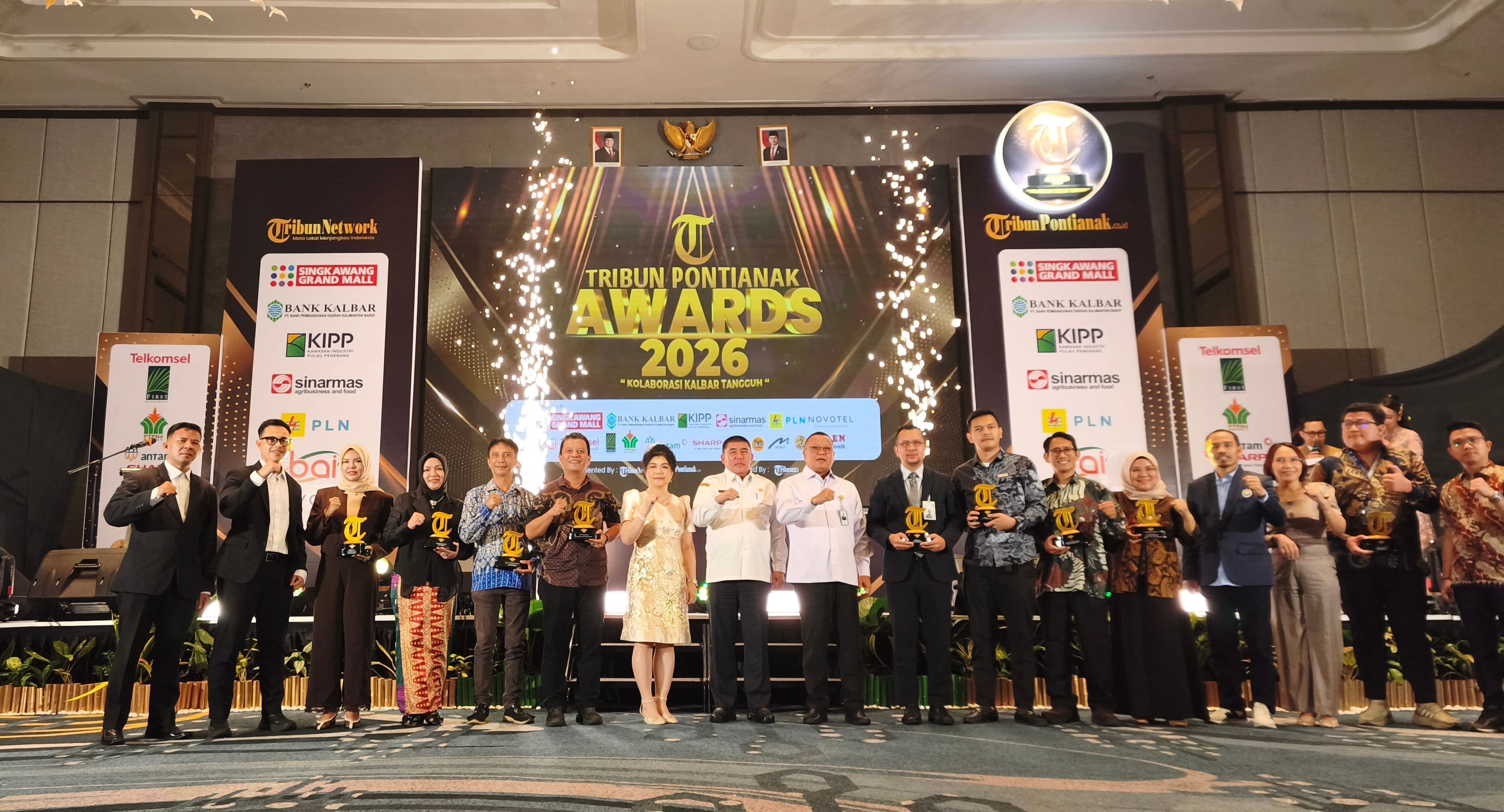
Driving Regional Growth and Landscape Stewardship, PT Mayawana Persada Earns Recognition at Tribun Pontianak Awards 2026
Read more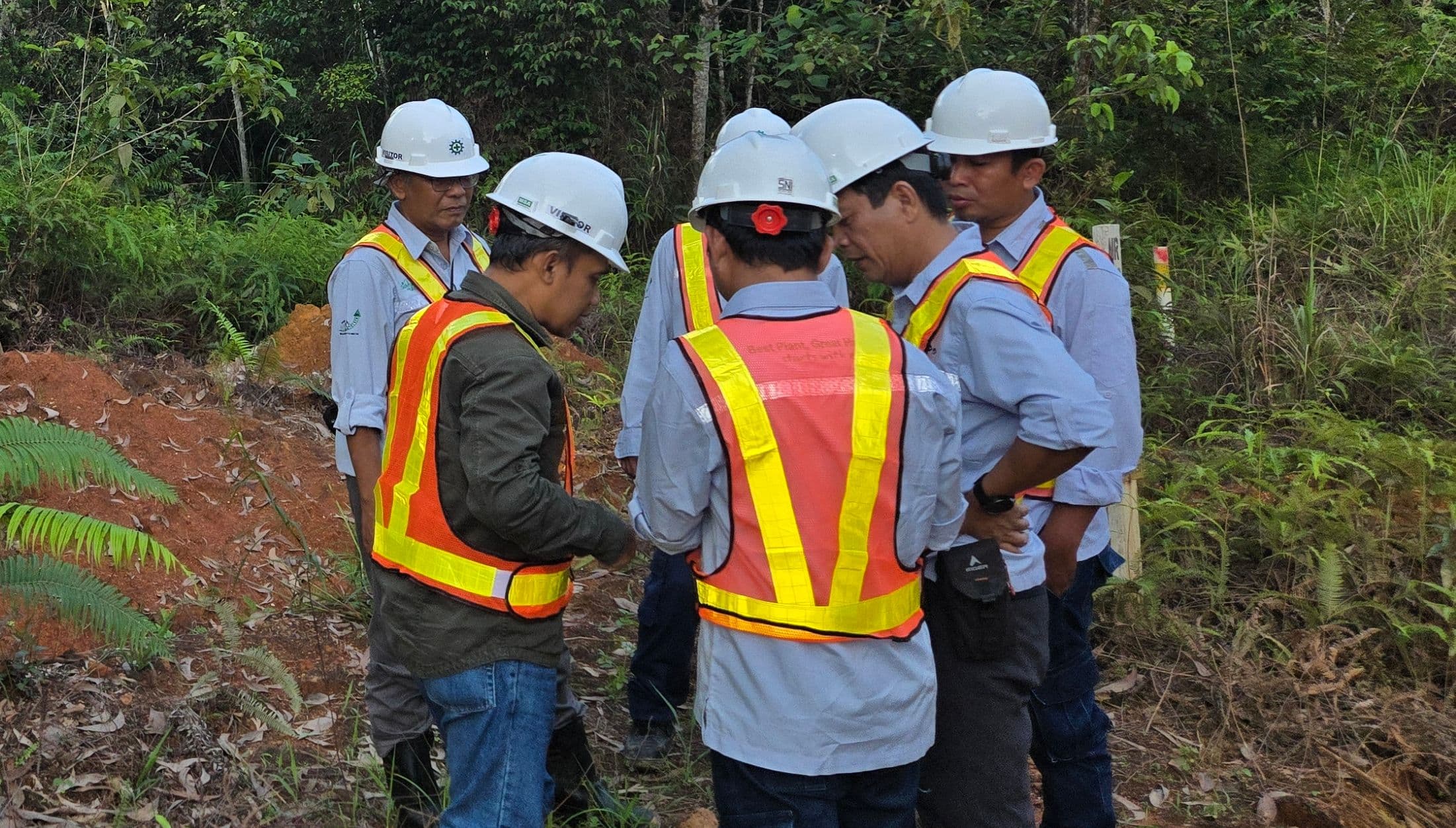 Environment & Biodiversity
Strengthening Sustainable Forest Governance Through Certification and Multi-Stakeholder Collaboration
Read more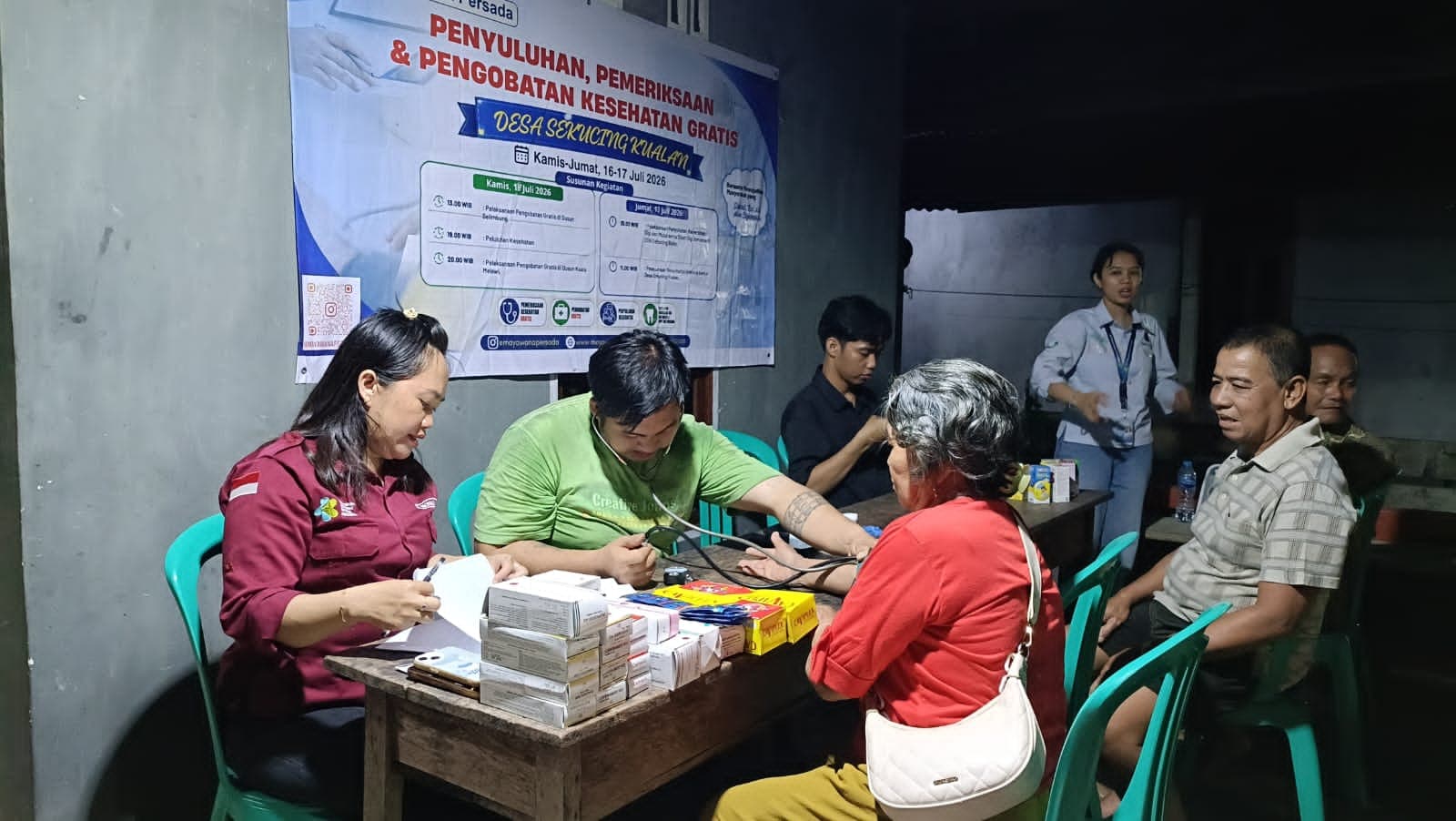 CSR & Community
How PT Mayawana Persada Tackles Child Stunting and Rural Healthcare Gaps
Read more