


Corporate Environmental Policy: The Engine Behind Sustainable Natural Resource Governance

Behind every genuine commitment to sustainable land and natural resource management lies an environmental policy built on actionable operational systems.
Many corporations claim to prioritize the environment, but public assertions often lack systematic operational backing. A credible corporate environmental policy is never merely an aspirational statement in an annual report. Instead, it is a verifiable operational framework: starting with baseline legal adherence, tested by rigorous auditing, and validated by external oversight.
In the commercial forestry sector—specifically for Industrial Forest Plantation (Hutan Tanaman Industri or HTI) operators—this framework serves as an objective yardstick for measuring real sustainability performance.
At PT Mayawana Persada, this philosophy is operationalized through interconnected organizational systems. Here is an inside look at how that governance foundation is constructed and maintained on the ground every day.
1. Legal Compliance as the Non-Negotiable Foundation
Sustainability does not begin with broad corporate rhetoric; it begins with rigorous adherence to statutory regulations.
According to Muharjan, Sustainability Assistant Head at PT Mayawana Persada, compliance serves as the baseline upon which all broader strategic goals are built. This principle is embedded directly into the company’s official charter, which explicitly commits to government-led initiatives combating illegal logging and verifying chain-of-custody timber legality.
Environmental commitment is therefore treated not as an optional add-on, but as a core operational discipline that dictates day-to-day strategic direction.
2. Dynamic Responsiveness to Regulatory Evolution
Forestry regulations evolve across national frameworks and regional provincial jurisdictions. To maintain operational continuity, companies must be agile.
Whenever regulatory updates emerge, PT Mayawana Persada conducts technical impact assessments before deploying changes to field teams. Operational planning blueprints and standard operating procedures (SOPs) are systematically updated to reflect revised mandates.
This active responsiveness ensures that corporate management systems remain ahead of statutory changes, eliminating legal non-compliance risks and aligning commercial activities with shifting environmental standards.
3. Measurable Progress Through Tiered Certifications
Clear policies require verifiable benchmarks. PT Mayawana Persada benchmarks its forestry practices against established domestic standards:
- SVLK / Timber Legality Verification System: Ensuring every log entering the supply chain is legally harvested and fully traceable.
- PHPL (Sustainable Production Forest Management): Assessing environmental, social, and economic indicators across production concessions.
Moving forward, the company has targeted certification under the Forest Stewardship Council (FSC) as a higher international operational milestone. This multi-tiered framework demonstrates a structured pathway toward global environmental standards, anchored first by domestic compliance.
4. Systematic Evaluation via Internal Departmental Audits
External certification is reinforced by annual internal audits conducted across every operational division. These assessments measure performance against three complementary standards:
- AFCC (Assessment Forest Certification Center) guidelines,
- ISO management system standards, and
- SMK3 (National Occupational Safety and Health Management System).
Auditing teams conduct comprehensive pre-audit briefings with operational units, clarifying specific evaluation metrics in advance. This collaborative setup shifts the audit process from an adversarial annual routine into an ongoing, company-wide continuous improvement cycle.
5. From Audit Findings to Executive Decision-Making
An audit provides value only when its findings trigger concrete operational adjustments.
At PT Mayawana Persada, internal audit reports are reviewed during executive management meetings to allocate targeted operational budgets and schedule corrective actions.
A prime example was the identified need for dedicated decontamination wash facilities (rumah bilas) for agricultural and silvicultural chemical spray crews. The issue was elevated through management review and approved for capital expenditure. This demonstrates how environmental and safety policies translate directly into physical infrastructure on the ground.
6. Validating Credibility Through External Oversight
Internal checks alone cannot establish credibility. Public trust requires independent, multi-stakeholder scrutiny.
PT Mayawana Persada operates under direct regulatory supervision from:
- The regional Forest Management Unit (Kesatuan Pengelolaan Hutan or KPH),
- The Provincial Environmental Service (Dinas Lingkungan Hidup), and
- The Provincial Forestry Service (Dinas Kehutanan).
Beyond government oversight, the company collaborates with academic and independent ecological institutions. Academic teams from Tanjungpura University (Untan) and environmental specialists from Ecositrop conduct ongoing field studies monitoring wild orangutan populations and mapping high-value conservation areas.
These initiatives extend to local non-governmental organizations (NGOs) and village communities through cooperative native revegetation programs. Independent third-party collaboration ensures the company's sustainability initiatives undergo continuous objective verification.
7. Cross-Functional Accountability
To ensure consistent implementation, this policy is supported by a cross-departmental operational structure. Operational units—such as Harvesting, Plantation, and Nursery—are responsible for executing standard operating procedures on the ground.
Meanwhile, supporting functions, including Planning, Sustainability and Social Legality (SSL), Licensing, and Legal Compliance, translate regulatory changes into actionable, day-to-day operational policies.
This division of roles ensures that policy-level regulatory shifts are seamlessly translated into field practice without losing their context or urgency.
A Living System, Not a Paper Trail
A credible corporate environmental policy is never a static document filed on an office shelf.
It is an active operational system: established on legal compliance, updated alongside regulatory shifts, measured against rigorous certifications, converted into funded corrective actions, and validated through independent external oversight.
For commercial land-use operators such as PT Mayawana Persada, this structured framework provides the operational discipline required to balance commercial objectives with environmental preservation and community welfare.
FAQ
What defines a credible corporate environmental policy?
A credible environmental policy requires clear, enforceable mechanisms rather than vague pledges. It must include statutory compliance, routine operational updates, measurable certifications, internal and external audits, dedicated capital allocation for corrective measures, and transparent stakeholder engagement.
How does PT Mayawana Persada adapt to changing forestry regulations?
The company’s Planning and Legal Compliance divisions assess new forestry regulations prior to field rollout. Operational planning documents and standard operating procedures (SOPs) are promptly updated to align with statutory updates, mitigating legal compliance risks across concessions.
Which certifications validate sustainable forestry operations?
PT Mayawana Persada benchmarks against national and international standards, including Indonesia’s Timber Legality Verification System (SVLK/IVC) and Sustainable Production Forest Management (PHPL) standards, alongside ISO management frameworks and FSC targets.
How are internal audit findings translated into operational action?
Audit results are evaluated during formal executive management review meetings. Leadership reviews operational gaps and allocates corporate budgets to implement required solutions, such as improving safety infrastructure and field-level environmental controls.
What role do external stakeholders play in environmental oversight?
Independent oversight is provided by regional government agencies (KPH, DLHK), academic institutions like Tanjungpura University, independent ecological consultancies (Ecositrop), and local civil society groups. These partners conduct wildlife population assessments, audit environmental indicators, and participate in collaborative conservation initiatives.
Read also
 CSR & Community
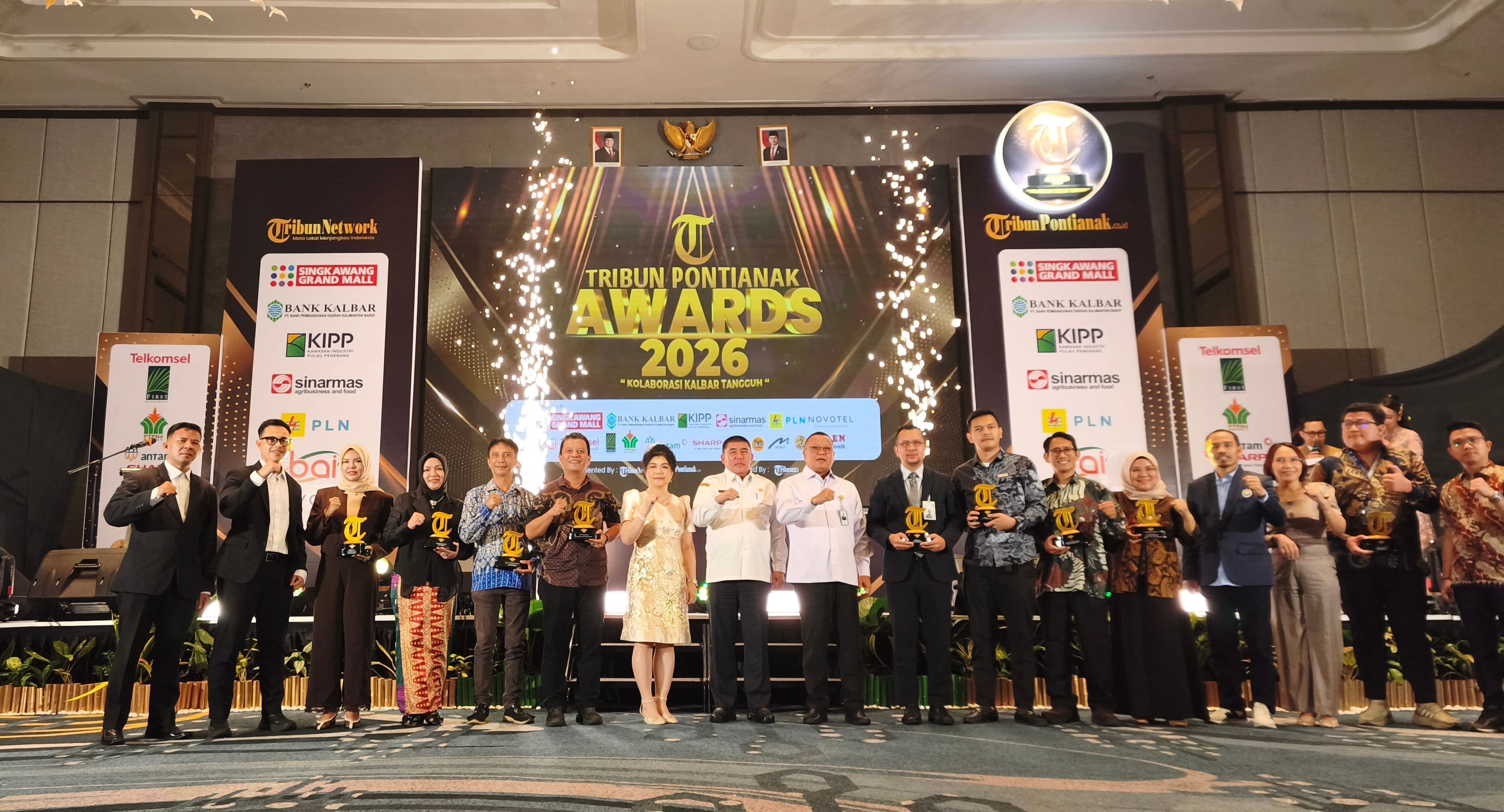
Driving Regional Growth and Landscape Stewardship, PT Mayawana Persada Earns Recognition at Tribun Pontianak Awards 2026
Read more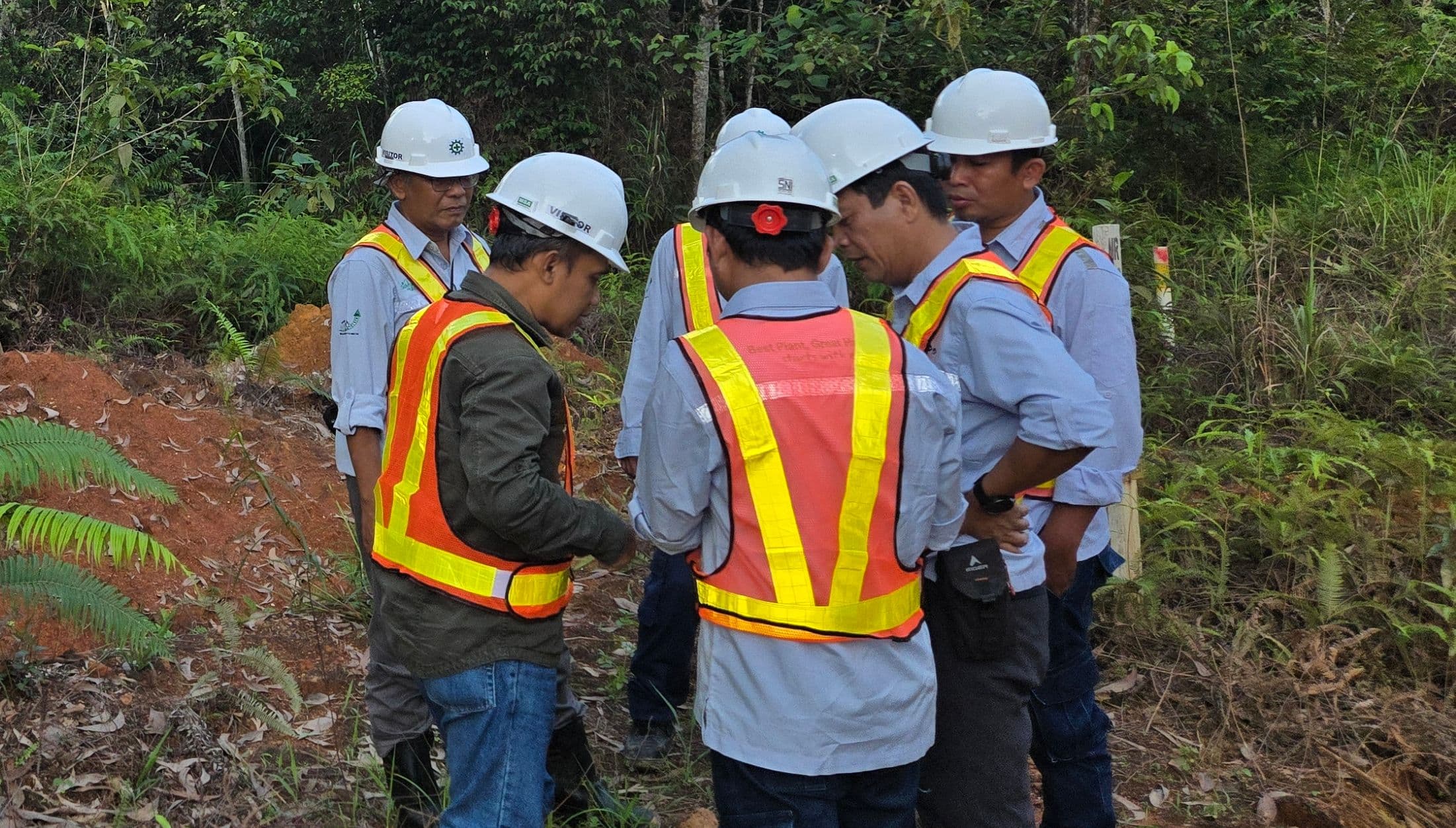 Environment & Biodiversity
Strengthening Sustainable Forest Governance Through Certification and Multi-Stakeholder Collaboration
Read more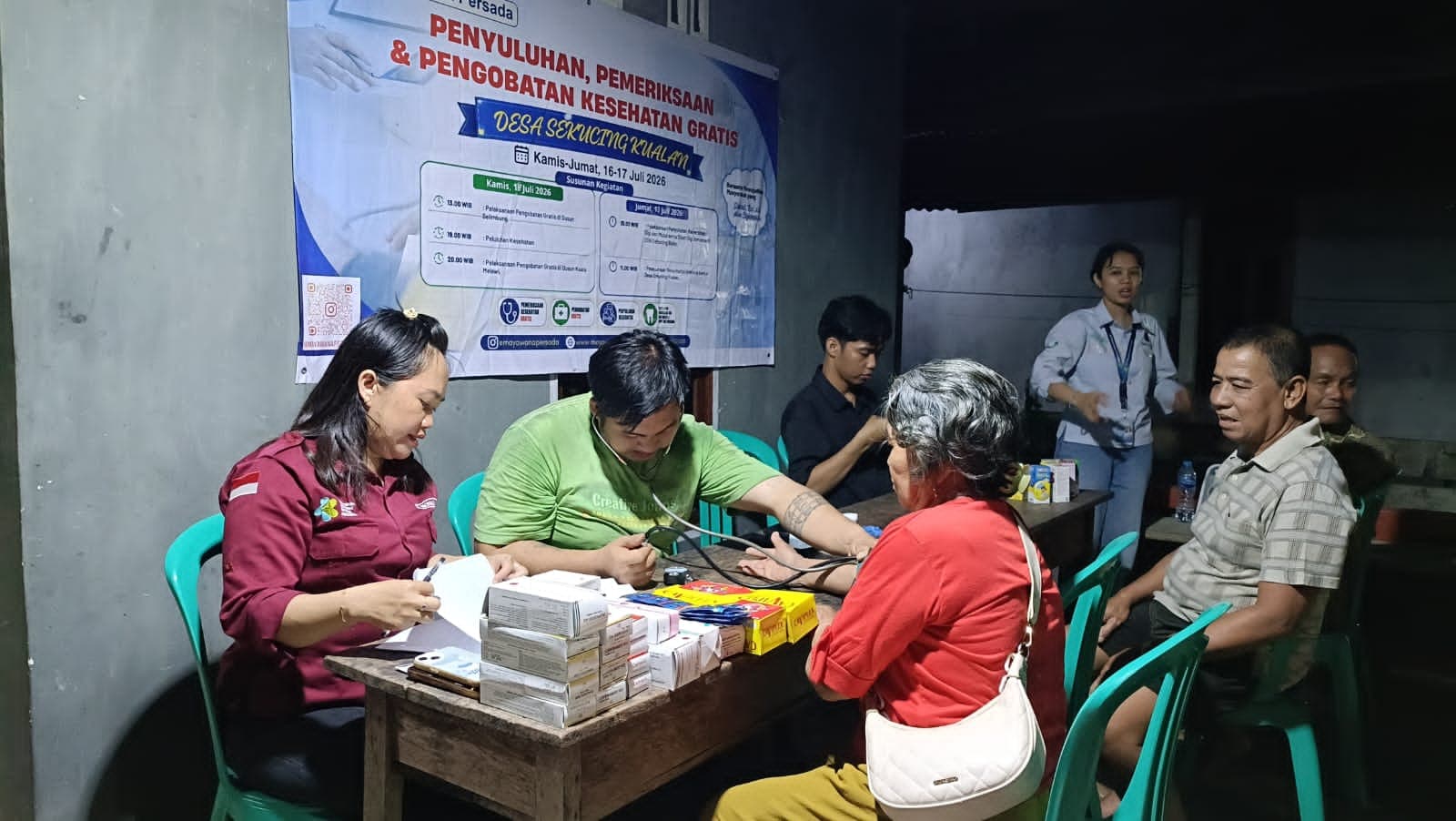 CSR & Community
How PT Mayawana Persada Tackles Child Stunting and Rural Healthcare Gaps
Read more