


Sowing Quality, Powering Communities: The Crucial Role of PT Mayawana Persada’s High-Tech Nursery
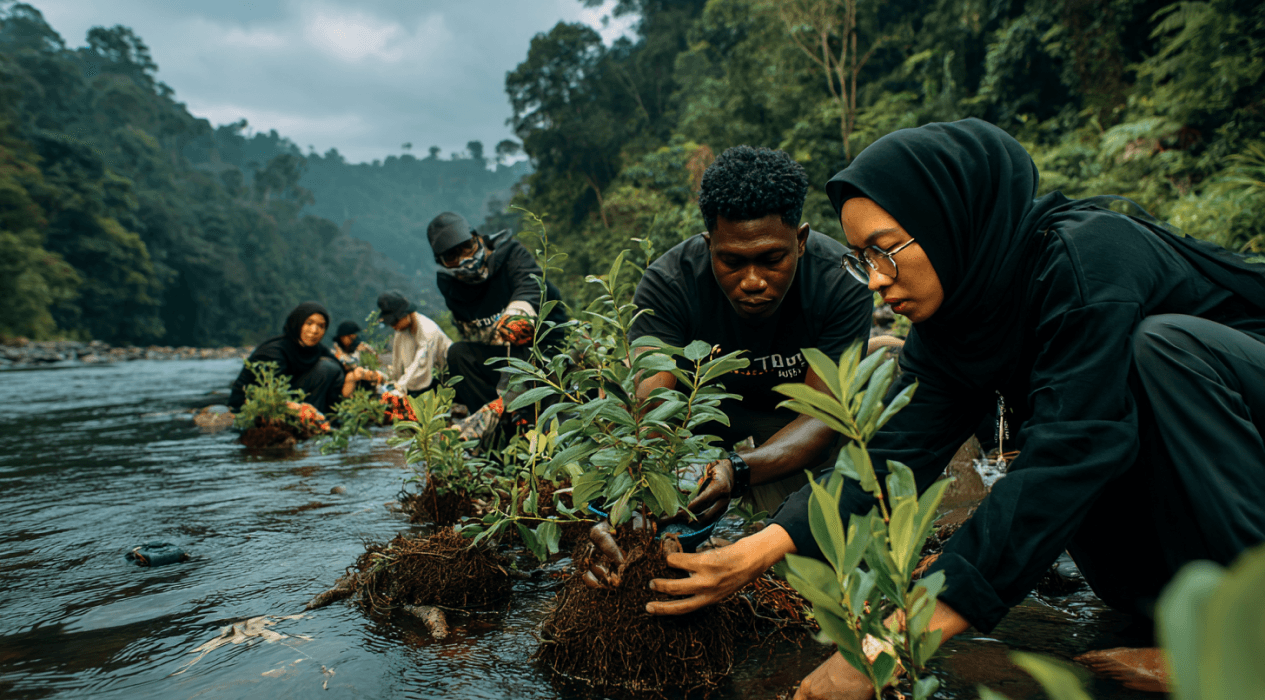
Discover how rigorous quality control, precision clonal propagation, and near-total local workforce integration converge at PT Mayawana Persada's modern tree nursery in West Kalimantan.
KETAPANG, WEST KALIMANTAN — Rows of young saplings stand uniformly in tube trays beneath UV-protective covers. Overhead, an automated misting system releases a fine fog to stabilize ambient humidity. Beneath this expanse of vibrant green lies a disciplined regime of industrial quality control (QC)—an essential staging ground before any seedling is transferred to commercial plantation tracts.
At PT Mayawana Persada’s nursery facility, operational workflows adhere to rigid protocols. Minor variances during early propagation can undermine tree growth, wood density, and survival rates in the field years down the line. Consequently, scientific discipline and operational precision anchor daily activities.
The complex serves a dual purpose: it is both a research-driven propagation center and an engine of regional socioeconomic empowerment. Today, the facility’s operations absorb nearly 100 percent of its workforce from neighboring concession villages, transforming sustainable silviculture into a stable source of rural livelihood.
Precision Quality Control from Day One
The journey of every seedling begins with sterile, standardized growing media. Vegetative cuttings harvested from certified mother plants are immediately transferred to the Rooting House—a specialized microclimate enclosure equipped with automated fogging arrays engineered to promote rapid root establishment.
The window immediately following cutting preparation represents one of the most delicate phases in clonal forestry. Because freshly severed cuttings lack root structures to absorb water, handling speed directly dictates viability.
"We enforce a strict 45-minute ceiling from the moment a cutting is severed to the moment it is set into growing media," explains a silviculture specialist at PT Mayawana Persada. "Exceeding that timeframe dramatically degrades seedling vigor and rooting success."
Once root systems mature and stabilize, seedlings undergo systematic hardening. They transition progressively from the Rain Cover Area to the Open Grow Area, acclimating to direct sunlight, wind, and open-field temperature swings.
Before saplings receive clearance for field dispatch to commercial plantation sectors, technical teams audit rigid biometric parameters:
- Optimal shoot height,
- Standardized seedling age,
- Stem collar diameter,
- Functional leaf count, and
- Fibrous root architecture.
Standard Operating Procedures and Technological Innovation

Operating an in-house nursery grants PT Mayawana Persada complete oversight across the vegetative supply chain, guaranteeing that only elite planting stock enters the plantation landscape. Any sapling falling short of structural thresholds is returned to dedicated maintenance bays for corrective care or culled.
Every phase adheres to science-backed Standard Operating Procedures (SOPs). The integration of automation—such as sensor-driven misting and ambient controls inside rooting houses—ensures biological consistency across millions of seedlings per year.
Looking forward, the company is piloting further technological advancements, including automated substrate-mixing equipment and precision fertigation systems. Pairing modern silvicultural hardware with the refined manual dexterity of local technicians ensures industrial timber production scales in harmony with international ecological benchmarks.
Cultivating Long-Term Value for Sustainable Forestry
Maintaining a large-scale, proprietary nursery facility is fundamental to PT Mayawana Persada’s long-term sustainability strategy. By securing genetic consistency and structural quality at the seedbed stage, the company ensures that commercial and ecological forestry investments yield optimal timber volume, preserve regional soil stability, and deliver enduring socioeconomic value to West Kalimantan.
FAQ
What is the function of a modern forestry nursery?
A modern forestry nursery is an engineered production center where commercial timber species are propagated under controlled conditions. It optimizes seedling genetics, accelerates root development through climate-regulated enclosures, and conditions saplings to ensure high field-survival rates on plantation landscapes.
How does PT Mayawana Persada maintain seedling quality control?
Quality control begins with certified mother plants and strict handling timelines, including a mandatory 45-minute limit between cutting and potting. Seedlings undergo stepped hardening stages and are thoroughly audited against biometric benchmarks—such as root volume, stem diameter, and foliage health—before plantation rollout.
What role does vegetative clonal cutting play in commercial silviculture?
Vegetative clonal propagation involves rooting cuttings taken from superior parent trees rather than growing from wild seed. This method replicates elite genetic traits, delivering uniform growth rates, enhanced pest and disease resistance, and consistent wood fiber quality across industrial timber blocks.
How does the nursery support regional economic development in West Kalimantan?
PT Mayawana Persada’s nursery operations source nearly 100% of their operational workforce from rural villages surrounding the concession boundary. This provides steady formal employment, comprehensive technical silviculture training, and sustained household economic stability in remote areas of Ketapang Regency.
What technological innovations are deployed at the facility?
The nursery utilizes automated micro-misting systems for humidity control in rooting bays, standardized tube-tray containment to prevent root spiraling, and controlled acclimation structures. The company is actively evaluating automated growing-media blending and automated precision fertigation to enhance operational scalability.
Read also
 CSR & Community
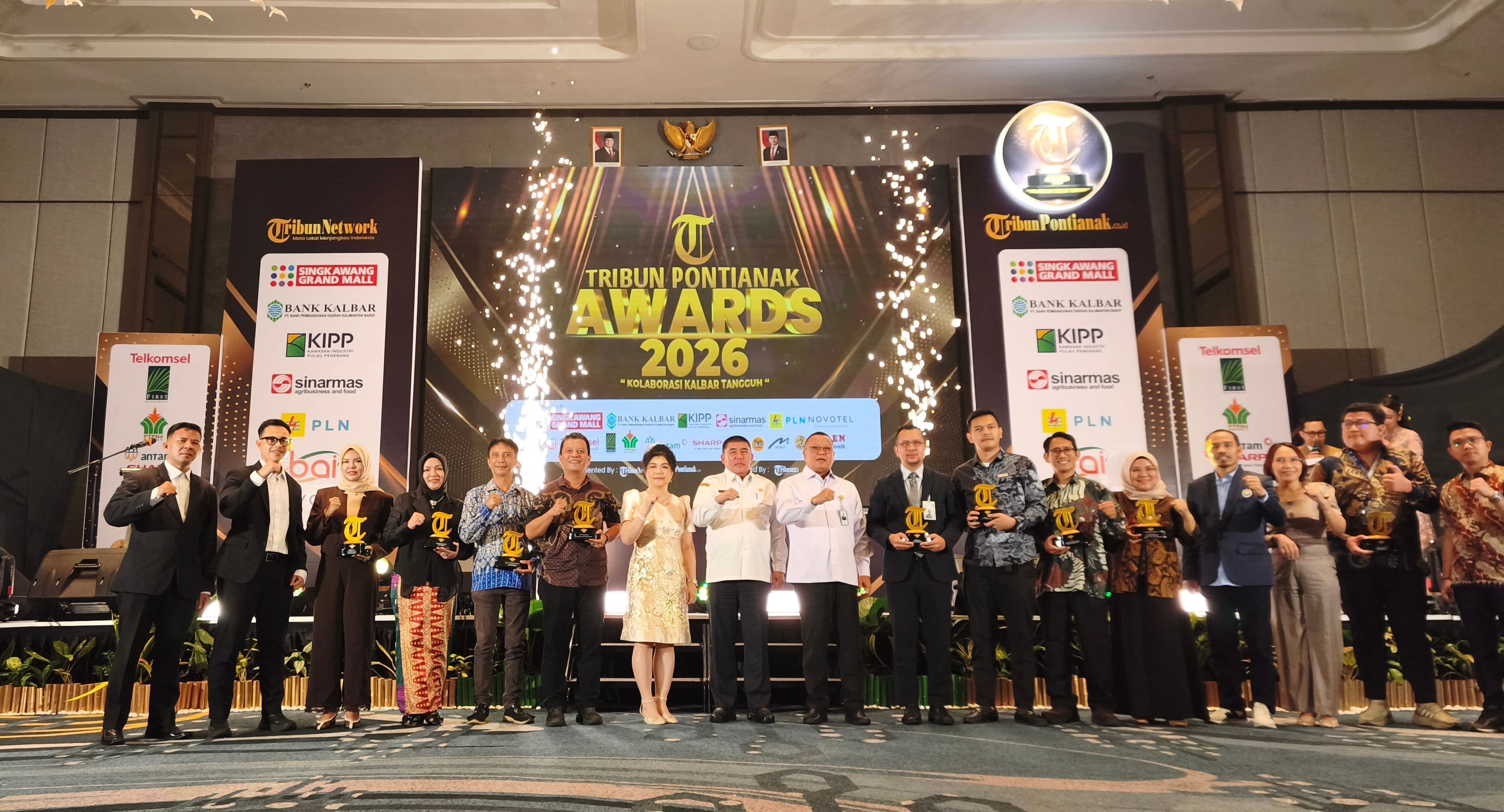
Driving Regional Growth and Landscape Stewardship, PT Mayawana Persada Earns Recognition at Tribun Pontianak Awards 2026
Read more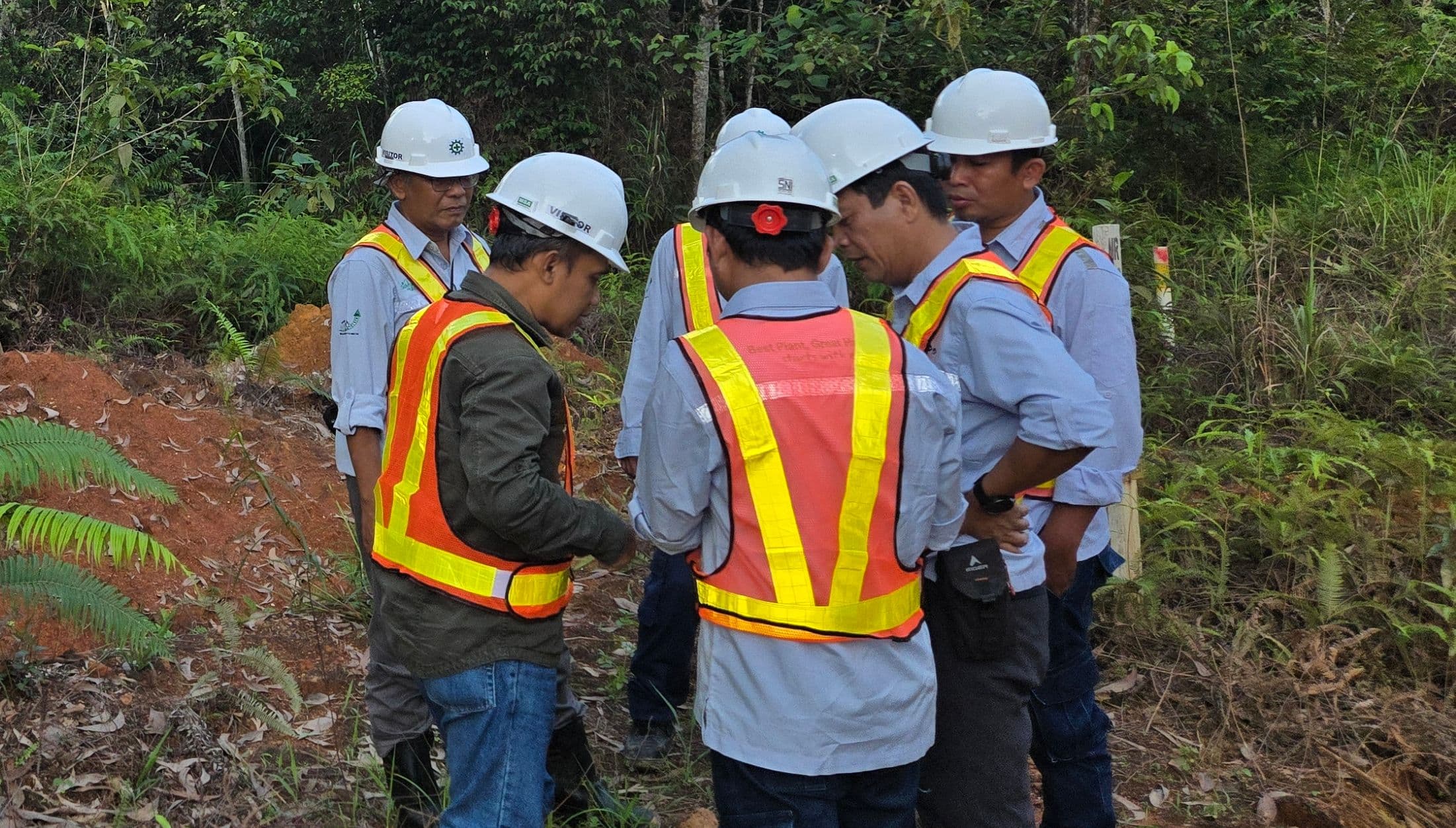 Environment & Biodiversity
Strengthening Sustainable Forest Governance Through Certification and Multi-Stakeholder Collaboration
Read more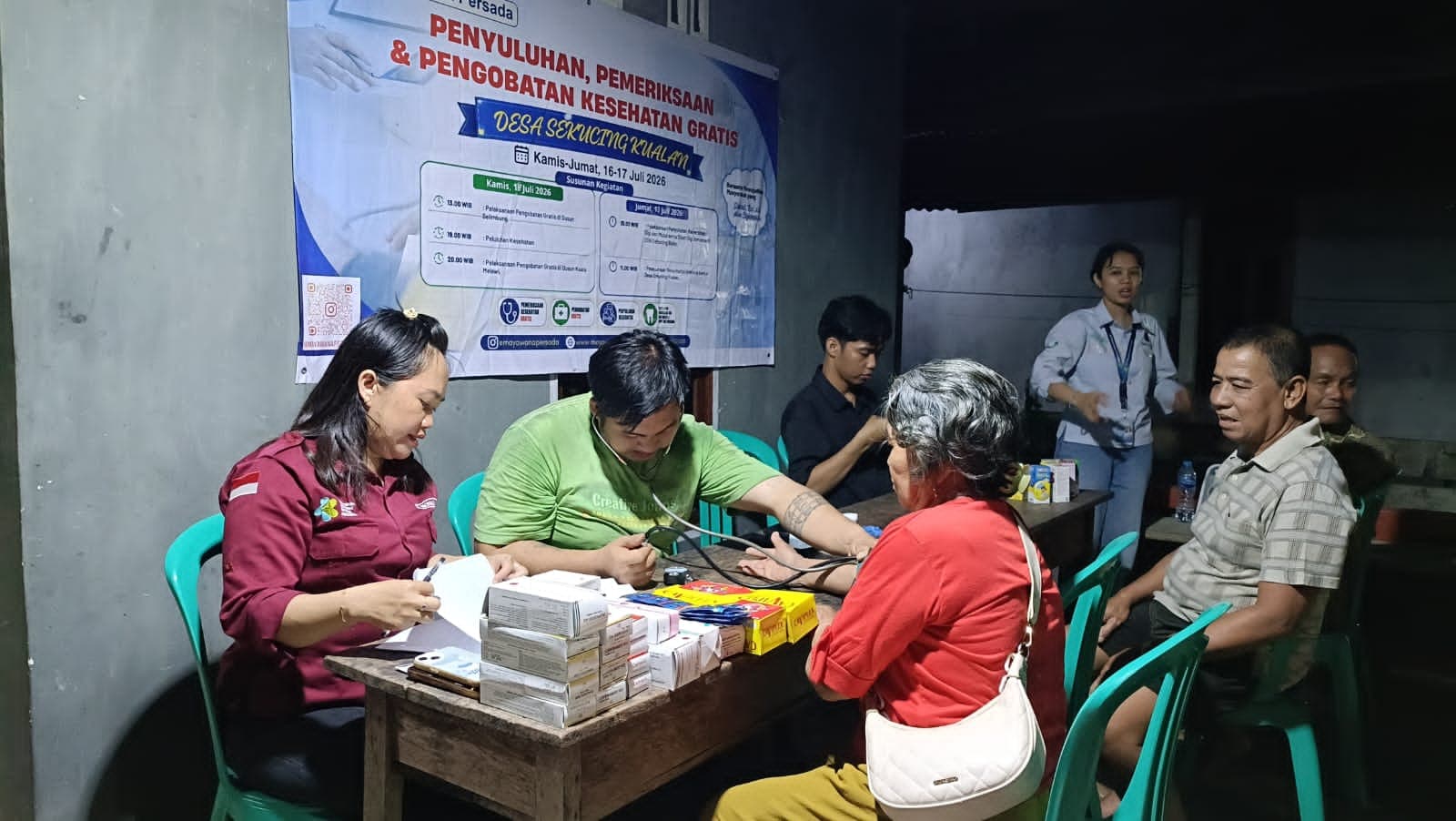 CSR & Community
How PT Mayawana Persada Tackles Child Stunting and Rural Healthcare Gaps
Read more