

Indigenous Peoples and Local Wisdom in Sustainable Tree Plantations
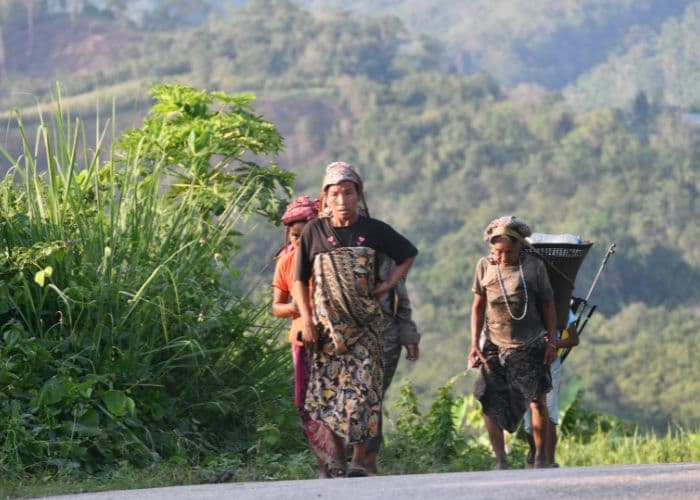
Explore the role of Indigenous peoples and local wisdom in understanding landscape dynamics and supporting sustainable tree plantation planning.
Indigenous communities maintain an inseparable bond with the land they inhabit. From the traditional toponymy of place names, soil variations, seasonal shifts, and water sources to culturally sacred sanctuaries, their understanding is shaped by lived experiences transmitted across generations.
In managing sustainable tree plantations, this ancestral knowledge serves as an indispensable source of intelligence for comprehending social and ecological landscapes holistically.
For an enterprise operating across large-scale forest concessions, grasping ground realities through technical data alone is never sufficient. The lived knowledge of communities residing around the concession provides vital human context regarding the territories they know and utilize every day.
Understanding Indigenous Peoples and Traditional Knowledge
Indigenous communities hold structured systems of knowledge, values, norms, and practices developed through sustained interactions with their natural environment and collective culture. Local wisdom manifests in varied forms: recognizing specific locations by heritage names, anticipating natural cycles through seasonal indicators, or reading land characteristics through long-term traditional use.
Because this knowledge is deeply contextual, modern forest management that intersects with local communities must establish meaningful avenues for these perspectives to be heard.
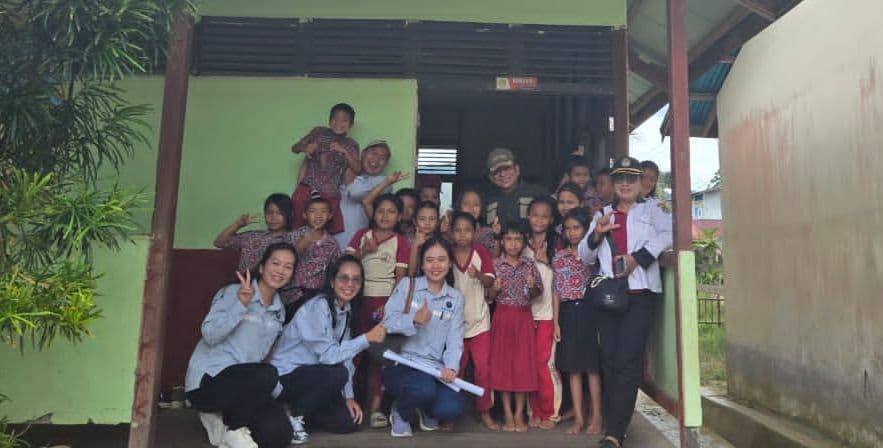
At PT Mayawana Persada, socio-cultural dimensions are an integral corporate priority. The company’s social policy mandates that forest management practices across the concession actively account for social factors, aiming to deliver lasting, positive impacts for neighboring forest communities.
Why Local Wisdom Matters in Forest Planning
Forest management planning fundamentally requires a comprehensive assessment of the landscape. Technical instruments capture topography, pedology, canopy cover, hydrological dynamics, and baseline ecology. Concurrently, neighboring residents hold direct empirical experience regarding environmental shifts and daily spatial usage.
These two streams are complementary. By maintaining active dialogue, the company acquires socio-cultural context that purely technical remote sensing and cartography cannot fully reveal.
This balanced approach reflects sustainable forestry principles that integrate social equity. To date, PT Mayawana Persada conducts regular social monitoring covering community welfare, educational access, socio-economic vitality, and cultural preservation.
From Concession Spatial Zoning to Operational Layouts
Spatial allocation forms a cornerstone of sustainable tree plantations, determining land use and functional zoning. Out of PT Mayawana Persada’s 136,710-hectare concession, approximately 34,399 hectares (25.16%) are formally designated as non-commercial protected conservation areas. These include protection forests, buffer zones, riparian corridors, germplasm preservation areas (KPPN), wildlife sanctuaries (KPSL), and fragile peat ecosystems (FLEG).
This spatial framework proves that a single landscape cannot be treated merely as a commercial production block; it serves diverse ecological and social purposes. Through participatory planning, community input provides a key perspective for understanding how these zones are historically used, navigated, and valued by local inhabitants.
Communities as Active Contributors, Not Passive Recipients
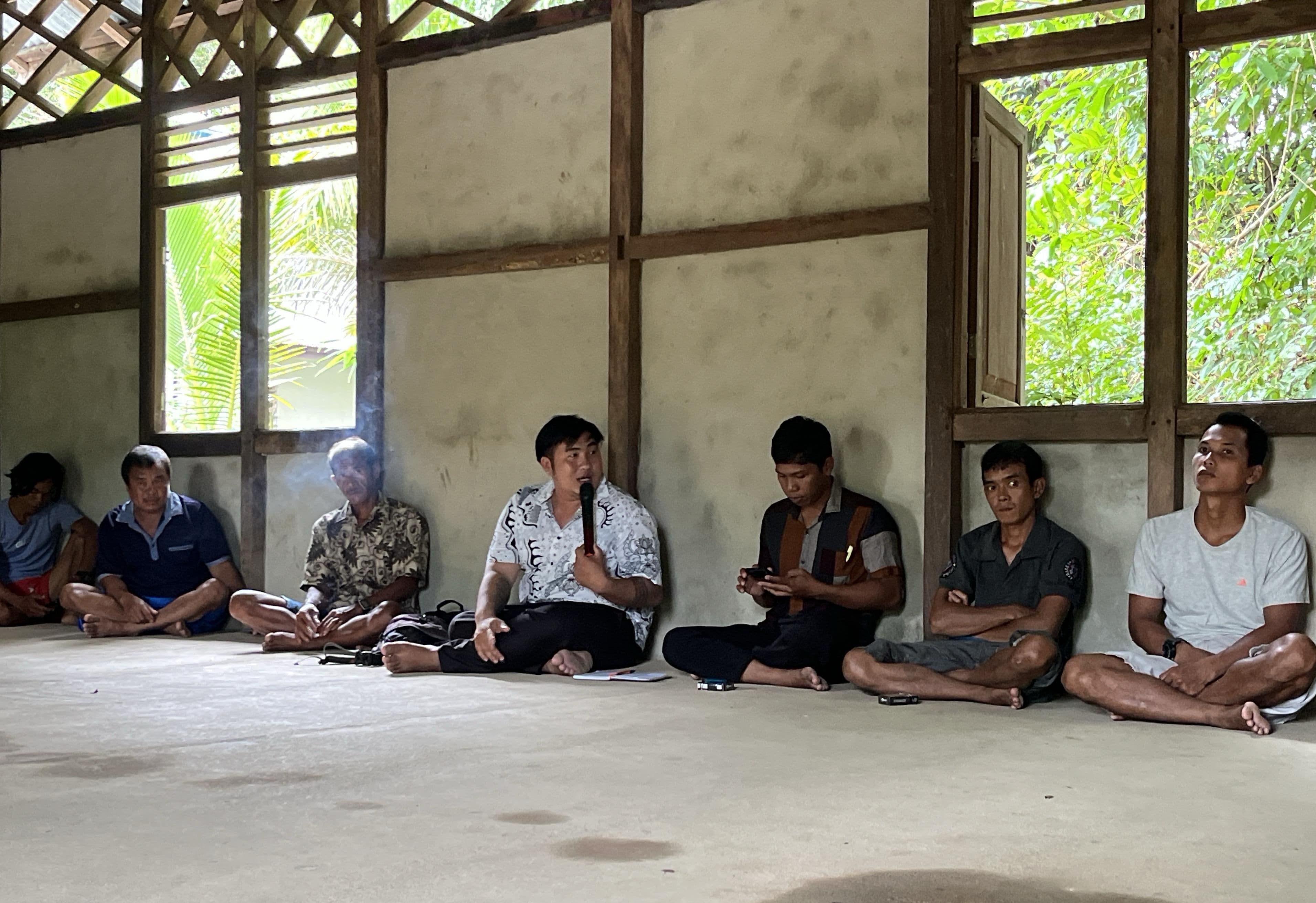
Community engagement becomes genuine only when residents have dedicated platforms to voice their perspectives and ground-level experiences. This is evident in PT Mayawana Persada’s Social Impact Assessment (SIA), conducted alongside independent consultant PT Lintas Nusa Sejahtera. The assessment was executed through participatory methodologies across surrounding villages to map social dynamics and record grassroots aspirations.
Throughout this process, village leaders and community members directly contributed their insights. The resulting assessment integrates safeguards for customary practices, cultural preservation, and the protection of local heritage values within operational perimeters.
This framework demonstrates that stakeholder communication is not an operational afterthought, but an ongoing process for understanding local realities.
Preserving Cultural Identity Within a Professional Workspace
Cultural preservation does not depend exclusively on formal corporate programs; it endures through the individuals who belong to the local community while working professionally within the enterprise.
Within PT Mayawana Persada, many employees are native residents who actively participate in traditional customary institutions—both as members and customary leaders. Their experience illustrates that thriving within a modern corporate environment does not require relinquishing cultural heritage or community responsibilities.
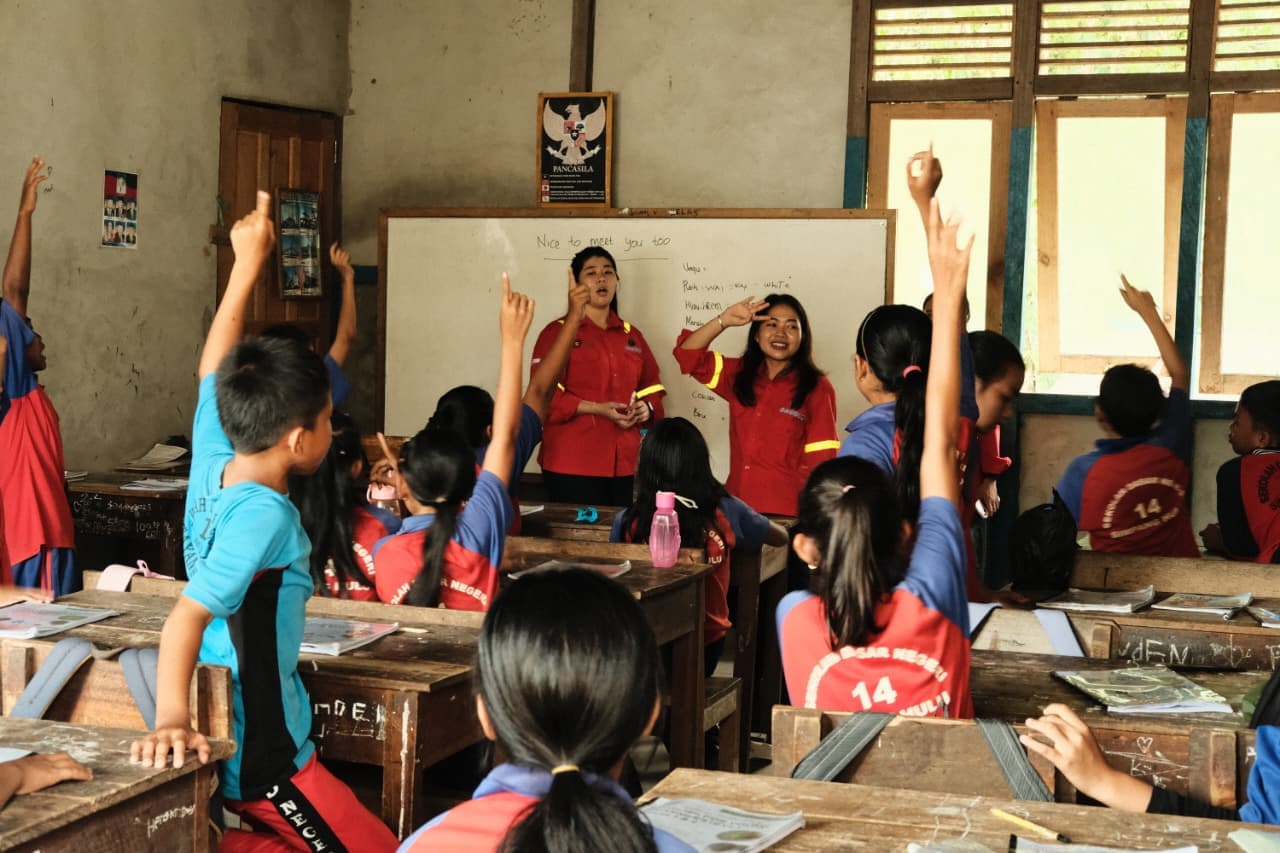
On the contrary, local professionals who possess an innate understanding of regional socio-cultural nuances serve as natural liaisons between the corporate operational environment and surrounding villages. This aligns directly with PT Mayawana Persada’s policy prioritizing local workforce absorption based on professional competency and qualifications.
Local Knowledge as an Anchor for Dialogue
Traditional knowledge does not always translate immediately into rigid operational SOPs. In early stages, the most vital objective is ensuring local insights are respectfully heard, accurately documented, and incorporated into spatial planning frameworks.
For example, information regarding sites of customary significance directly informs spatial delineation discussions. Similarly, community knowledge regarding micro-environmental shifts provides valuable supplementary data during environmental monitoring and corporate audits.
Through this collaborative approach, local communities step beyond being passive recipients of corporate announcements to become recognized knowledge partners regarding the landscapes they inhabit.
Safeguarding Heritage While Fostering Professionalism
The relationship between Indigenous communities and land-based enterprises does not need to be adversarial. The presence of local team members who balance professional duties with customary roles proves that cultural identity and corporate professionalism can successfully reinforce one another.
Ultimately, sustainable forest management looks beyond analyzing natural environments through technical datasets alone. Understanding how local communities identify, utilize, and find meaning across the landscape remains essential to establishing lasting harmony between enterprise operations, the surrounding environment, and local populations.
FAQ
What is meant by Indigenous peoples in this context?
Indigenous peoples are communities holding deep ancestral ties to their traditional territories, governed by customary values, social norms, and ecological knowledge passed down through generations. In forest management, their insights clarify socio-cultural priorities and environmental dynamics around operational concessions.
Why is local wisdom essential in forest management?
Local wisdom reveals how communities navigate, classify, and utilize a landscape. Nuances such as heritage toponymy, seasonal weather patterns, and culturally sacred sites provide critical context that technical spatial mapping alone cannot capture.
How can communities participate in forest management?
Meaningful participation occurs through structured stakeholder dialogue, public consultations, social mapping, and collaborative studies. PT Mayawana Persada conducts participatory Social Impact Assessments (SIA) across concession-adjacent villages to integrate grassroots aspirations into corporate planning.
What is the role of local residents in PT Mayawana Persada’s operations?
Beyond serving as primary external stakeholders, local residents form the operational backbone of the company. As of March 2025 workforce data, approximately 76% of PT Mayawana Persada's workforce consists of local hires recruited from regional communities.