


Borneo Forests: Exploring Native Vegetation and Peatland Characteristics
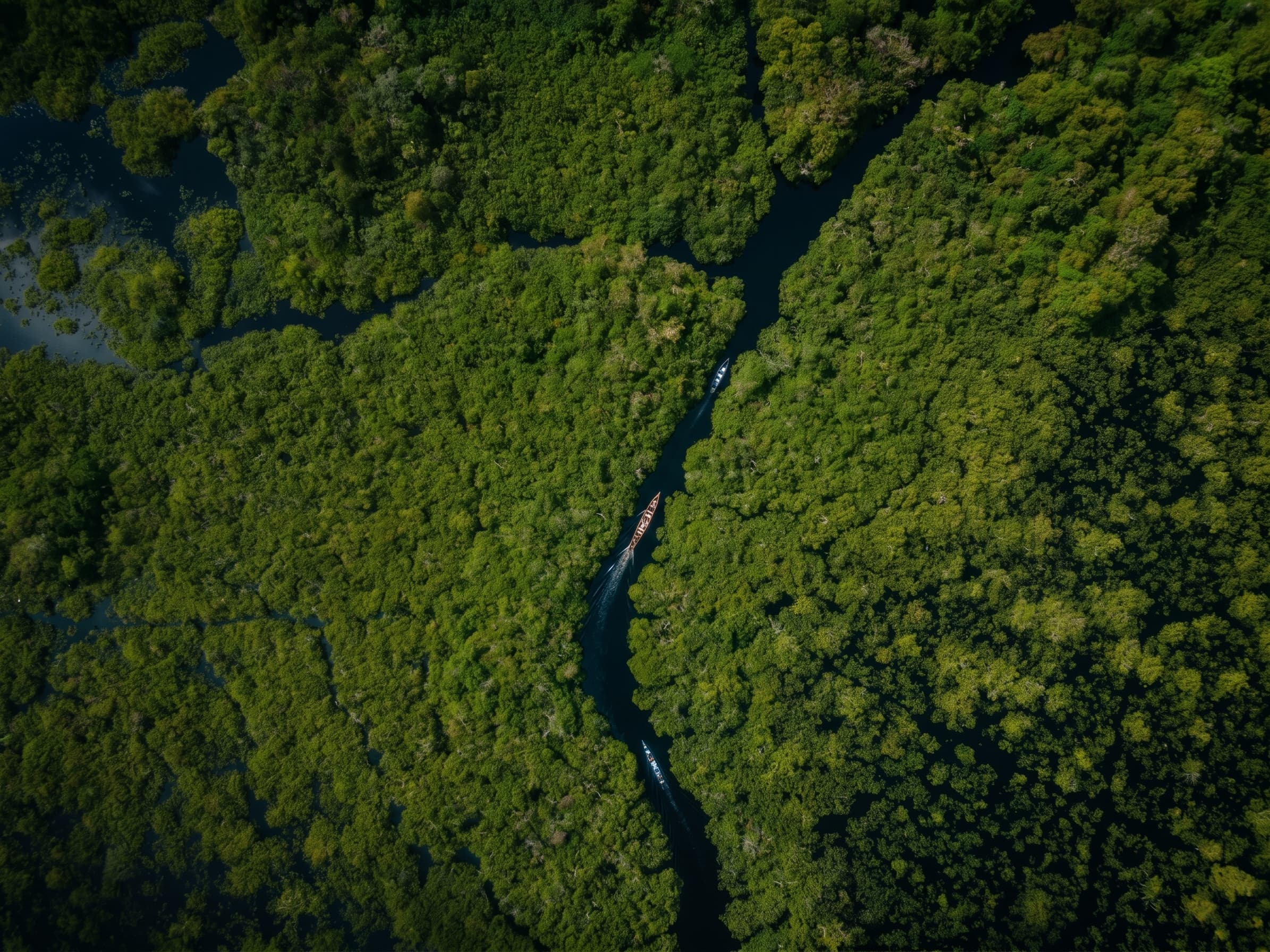
Explore the unique native vegetation of Borneo forests and carbon-rich peatland soils, complete with scientific research findings and conservation efforts.
The tropical rainforests of Borneo are widely recognized as one of the oldest and most diverse ecosystems on Earth. Beneath their scenic landscapes lies a complex ecological system where rich flora blends intimately with distinct peatland soil characteristics. Understanding how native vegetation adapts to this unique landscape is crucial for maintaining climate balance and global environmental sustainability.
Unique Characteristics of Peatland Soils in Borneo
Portions of forest landscapes in Borneo are supported by a specific wetland ecosystem known as peatland. Unlike typical mineral soils, peatlands are formed from the accumulation of partially decomposed plant remains under water-saturated conditions over thousands of years.
Ecologically, peat soils possess several primary characteristics:
- Natural Carbon Sinks: Peat layers act as massive underground carbon stores, making their preservation vital to preventing the release of greenhouse gas emissions.
- Acidic and Water-Saturated Nature: Acidic conditions and standing water demand high morphological adaptations from any plants growing upon them.
- Hydrological Regulators: When wet, peat functions like a giant sponge that naturally absorbs and regulates water availability for surrounding areas.
Native Vegetation Richness and Peat Forest Flora Adaptations
Despite growing in acidic, nutrient-deficient growth media, the peat forests of Borneo are inhabited by various endemic plant species possessing extraordinary survival capabilities. Based on botanical studies and scientific inventories, native vegetation in these areas demonstrates fascinating ecological specialization:
- Dipterocarpaceae Tree Groups: Hardwood tree families such as Meranti and Keruing dominate lowland forest canopies down to peat transition areas, providing a dense canopy structure that shelters the forest floor.
- Acid-Adaptive Species (Endemic Trees): Tree types such as Ramin (Gonystylus bancanus), Jelutung (Dyera polyphylla), and Punak (Tetramerista glabra) feature specialized root systems capable of breathing and absorbing nutrients amidst waterlogged soil conditions.
- Understory Plant Diversity: Forest floors and low-density areas are also populated by diverse unique flora, including various pitcher plants (Nepenthes) adapted to nutrient-poor soils.
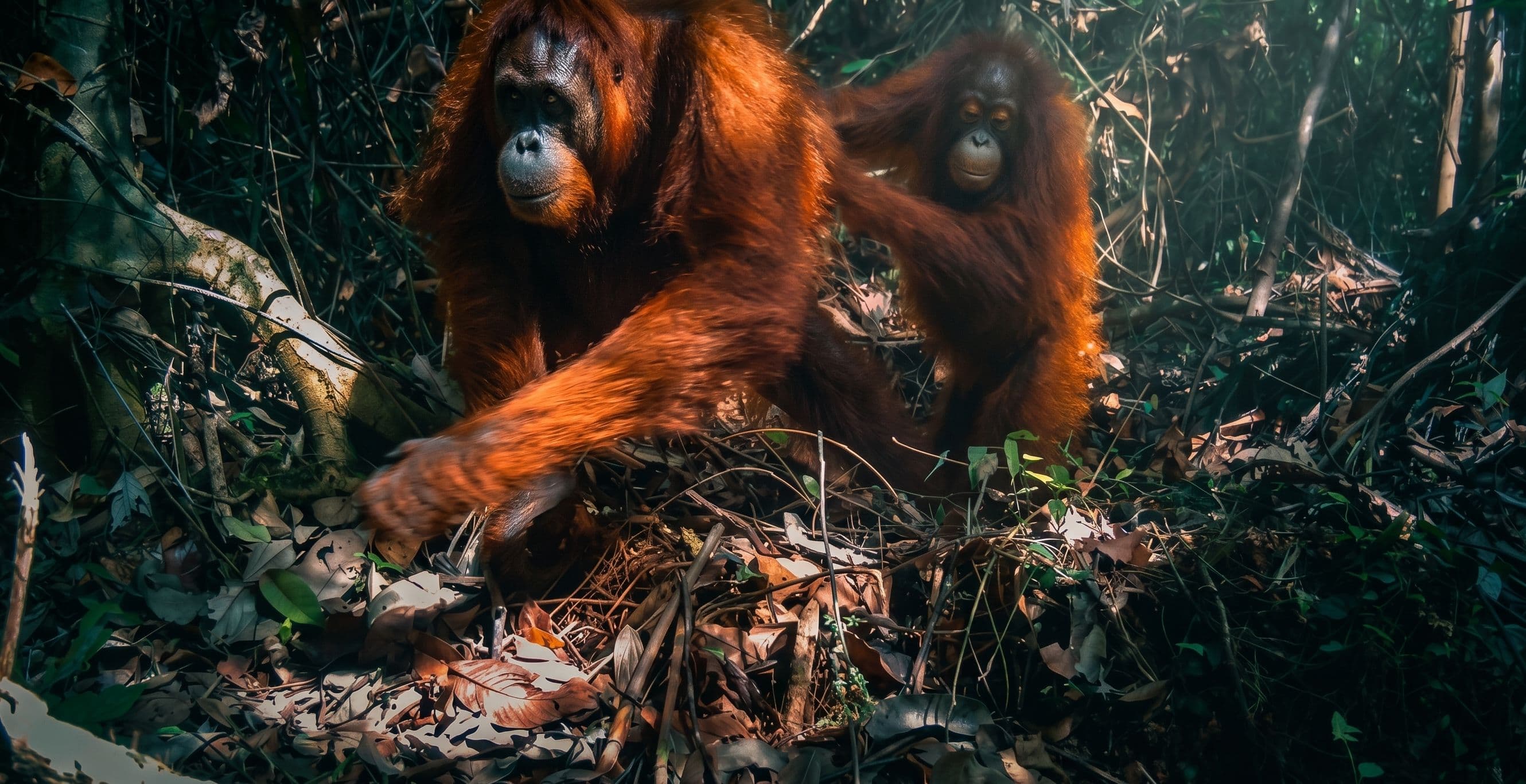
The presence of this native vegetation not only maintains stable soil structures but also serves as a primary food source for protected wildlife such as the Bornean orangutan (Pongo pygmaeus) and the sun bear (Helarctos malayanus), which rely continuously on fruit and canopy availability.

Maintaining Balance Through Science-Based Management
Recognizing the high vulnerability of peat ecosystems—especially the risks of degradation and subsurface fires (smoldering) during the dry season—modern forestry practices now rely heavily on scientific approaches (science-based forestry).
In West Kalimantan, these tangible steps are implemented comprehensively by PT Mayawana Persada within its concession areas. The company executes verified mitigation and ecosystem recovery measures, which include:
- Daily Water Table Control: Consistently maintaining groundwater levels at an optimal range of around 40 centimeters and tightly closing canal gates during the dry season to ensure land remains moist without excessively flooding plant roots.
- Endemic Species-Based Revegetation: Conducting land cover recovery using native forest tree seeds produced in the company's internal nurseries to ensure high adaptability to peat soil acidity.
- Academic Research Collaboration: Strengthening environmental governance by partnering with leading research institutions and universities—such as the Faculty of Forestry at Universitas Tanjungpura (UNTAN)—to monitor flora, fauna, and ecosystem health periodically using credible scientific methods.
Read also
 Environment & Biodiversity
Protecting Endangered Habitats: Conservation Commitments in Indonesian Borneo
Read more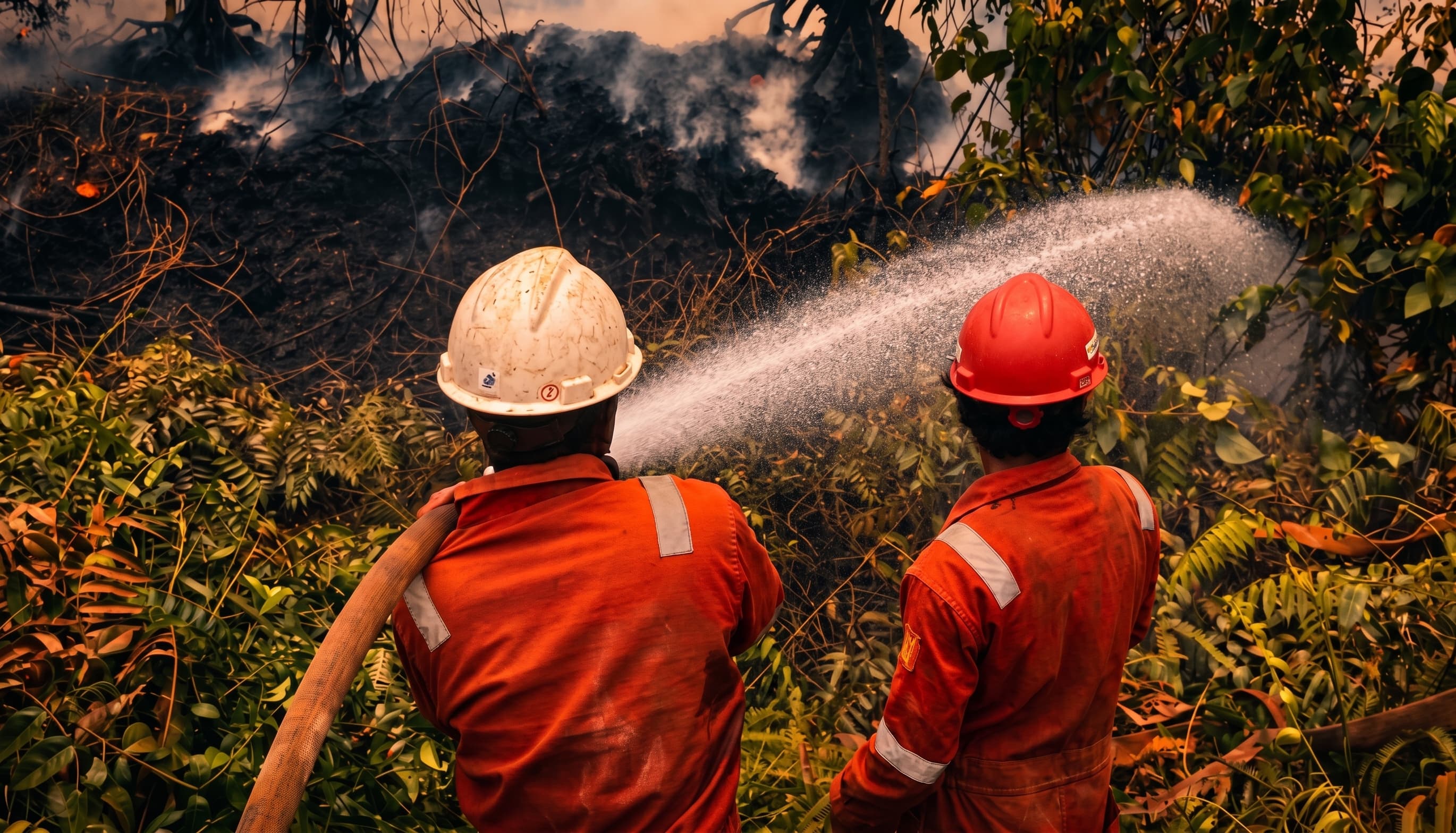 Operations & Field Activity
Forest Fire Mitigation: Prevention and Mitigation Strategies Amidst El Niño Threats
Read more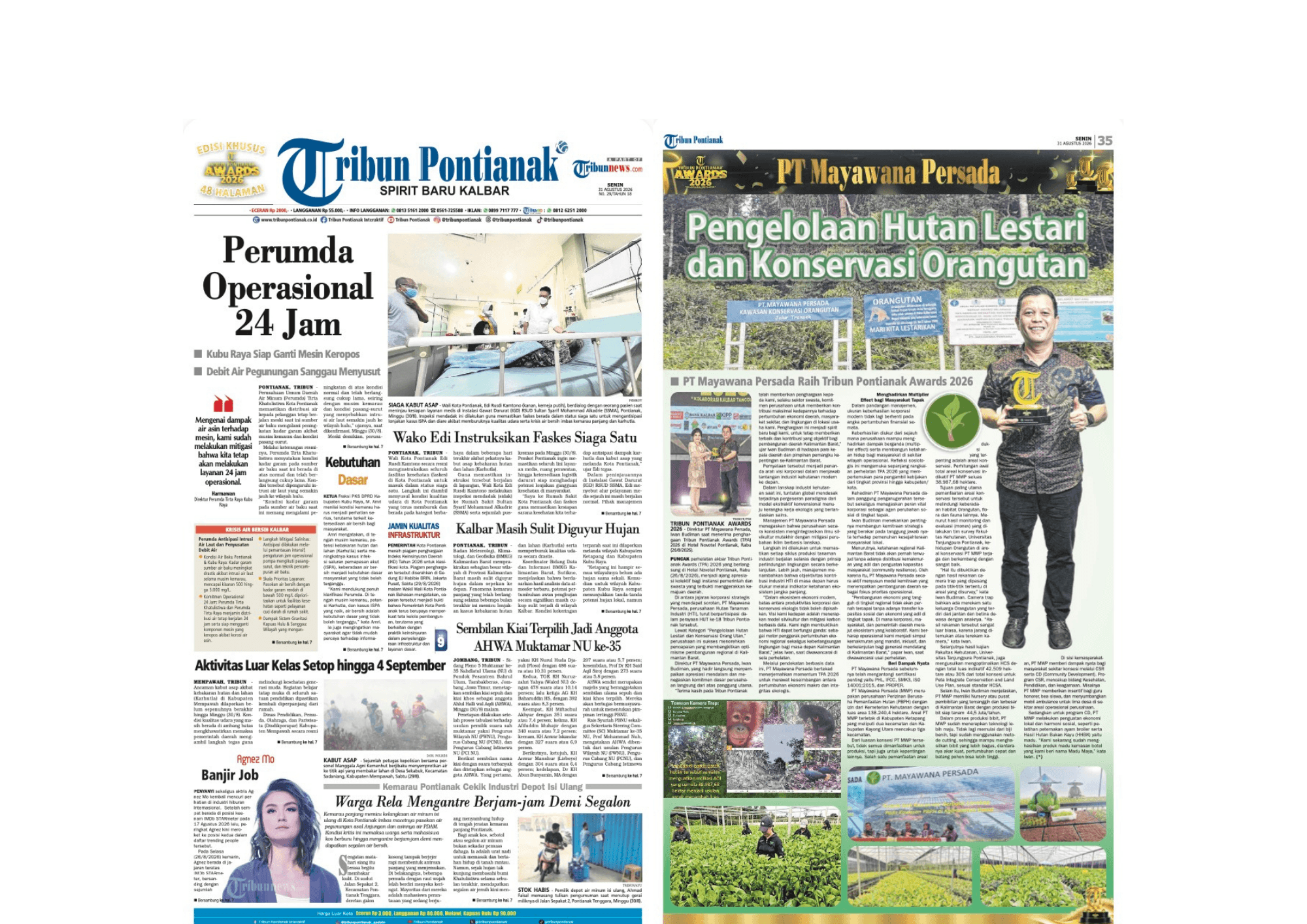 CSR & Community
PT Mayawana Persada Wins at Tribun Pontianak Awards 2026
Read more