


How Is Sustainable Forest Management Implemented? Here Is the Guide
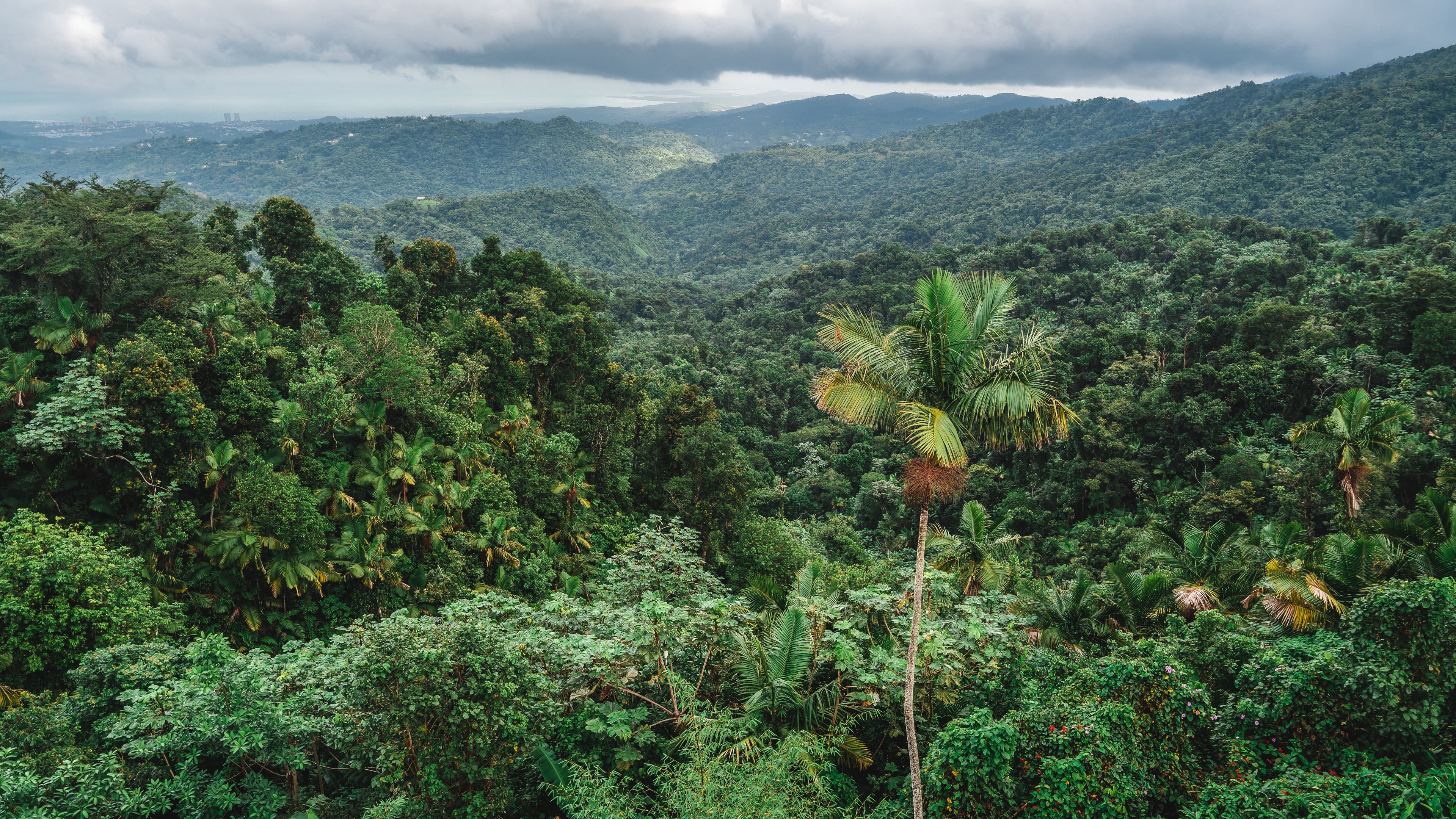
Discover how sustainable forest management is implemented in sustainable tree plantations through spatial zoning, certification, and multi-stakeholder partnerships.
When hearing the term "production forest," many of us instinctively picture land utilized solely for commercial gain. In reality, modern production forestry also encompasses environmental balance, biodiversity conservation, regulatory compliance, and community engagement. This integrated approach forms the foundation of sustainable forest management.
What Is Sustainable Forest Management?
Sustainable forest management is a framework that balances economic, environmental, and social imperatives in the utilization of forest landscapes. Under this model, commercial operations proceed without degrading essential ecosystem functions or undermining the well-being of neighboring communities.
PT Mayawana Persada (MP) exemplifies this practice within sustainable tree plantations. The company manages a 138,000-hectare Forest Utilization Business License (Perizinan Berusaha Pemanfaatan Hutan or PBPH) concession in West Kalimantan, with spatial zoning between commercial cultivation and conservation reserves established from the outset.
Planning the Landscape Based on Ground Realities
Of the total concession, approximately 70,000 hectares are allocated specifically for conservation, while commercial production is concentrated across roughly 40,000 hectares of cultivable land.
This spatial allocation was not a unilateral choice. It was established through comprehensive spatial mapping and systematic field biodiversity surveys. This baseline allows land utilization to adapt to the specific ecological functions and limitations of each compartment.
Management also accounts for the edaphic variations across the concession, which spans both peat soils and mineral terrain. Each requires fundamentally different operational management.
On peatlands, for instance, water table management is prioritized to suppress wildfire risks and prevent ecosystem degradation. Such data-driven execution demonstrates that sustainable forest management is an active operational system on the ground, rather than an abstract concept on paper.
Supporting Yield Without Expanding Land Boundaries
To sustain production without expanding its concession footprint, MP developed a dedicated 24-hectare nursery complex—among the most expansive propagation facilities in the sector.
Continuous silvicultural research is conducted to optimize tree growth cycles, ensuring saplings reach peak vigor before field transplanting. Consequently, raw material requirements are met through rotational yields rather than clearing new land in conservation reserves.
Compliance and Certification Supporting Forest Governance
Alongside spatial planning, governance systems serve as an essential pillar of sustainable forest management. Regulatory compliance forms the initial baseline from which corporate policies and operational visions are structured.
Regulatory shifts—both at the national level and within regional jurisdictions—are systematically analyzed prior to field execution. This institutional diligence ensures that concession operations align with prevailing statutory mandates.
To ensure field practices satisfy recognized benchmarks, MP aligns its operations with established forestry standards:
- Timber Legality Verification System (SVLK/IVC)
- Sustainable Production Forest Management Performance Assessment (PHPL)
- Forest Stewardship Council (FSC) as a future milestone
Periodic internal audits are conducted across all operational departments against relevant national and international standards. These evaluations confirm that documented standard operating procedures are enforced in daily field operations.
Stakeholder Collaboration in Forest Governance
(Image of stakeholders involved in forest management)
Sustainable forest management cannot function in isolation. MP operates under statutory government oversight led by Forest Management Units (KPH), regional Environmental Services, and local Forestry Services.
Academic partnerships have also been established with institutions such as Tanjungpura University and independent technical consultants. These collaborations support core conservation initiatives:
- Orangutan population and distribution surveys
- Spatial mapping of High Conservation Value (HCV) areas
- Science-based, empirical conservation interventions
Furthermore, partnerships extend to civil society organizations and local communities through hands-on initiatives, such as participatory revegetation programs. Multi-stakeholder collaboration reinforces independent credibility, ensuring performance evaluations extend beyond internal corporate reporting.
Balancing Productivity, Ecosystems, and Communities
Ultimately, sustainability is realized only when its three primary pillars advance in harmony:
- Forest productivity
- Ecosystem protection
- Community welfare
At MP, local residents make up nearly the entire operational workforce. Commercial production creates direct employment and stimulates micro-economic growth across neighboring villages.
Community empowerment proceeds alongside the preservation of protected reserves and HCV areas. Economic benefits from forestry do not operate in a silo; they reinforce ecological stewardship and trust-based community relationships.
Sustainable Forest Management Is More Than a Concept
Sustainable forest management is an operational reality. Its diverse components function as an interconnected system:
- Evidence-based spatial planning and biodiversity inventories
- Accountable governance through compliance and certification
- Institutional collaboration with regulators and academia
- Legal and field protection of conservation zones
- Grassroots empowerment of local communities
These strategies form an integrated framework subject to continuous evaluation. Sustainability is thus not merely an end goal, but a defining feature of daily forest stewardship.
For land-based enterprises like MP, this integrated model ensures commercial operations deliver necessary fiber supplies without compromising ecological functions or community welfare—safeguarding the landscape for present and future generations.
Discover more about PT Mayawana Persada (MP) and how sustainable forest management is implemented in the field.
FAQ
Apa yang dimaksud dengan pengelolaan hutan berkelanjutan?
Pengelolaan hutan berkelanjutan adalah pendekatan yang menyeimbangkan aspek ekonomi, lingkungan, dan sosial dalam setiap kegiatan pemanfaatan kawasan hutan, sehingga produksi tetap berjalan tanpa mengorbankan fungsi ekologis maupun kesejahteraan masyarakat.
Bagaimana MP membagi area budidaya dan konservasi?
Dari total 138.000 hektare areal PBPH, sekitar 70.000 hektare dialokasikan untuk konservasi, sementara operasional produksi hanya berjalan di sekitar 40.000 hektare berdasarkan pemetaan dan survei biodiversitas.
Apa peran sertifikasi dalam sistem pengelolaan hutan?
Sertifikasi seperti IVC dan PHPL menjadi acuan standar saat ini, dengan FSC sebagai target ke depan, sekaligus dilengkapi audit internal berkala untuk memastikan implementasi di lapangan sesuai prosedur.
Siapa saja pihak yang terlibat dalam kolaborasi konservasi?
Kolaborasi melibatkan pemerintah melalui KPH, Dinas Lingkungan Hidup, dan Dinas Kehutanan, akademisi seperti Universitas Tanjungpura, konsultan independen, serta masyarakat lokal melalui program revegetasi.
Bagaimana keseimbangan tiga pilar keberlanjutan diwujudkan?
Keseimbangan diwujudkan melalui penyerapan tenaga kerja lokal, perlindungan kawasan konservasi, dan pengembangan riset penanaman yang efisien tanpa memperluas area konsesi, sehingga produktivitas dan pelestarian berjalan beriringan.
Read also
 Environment & Biodiversity
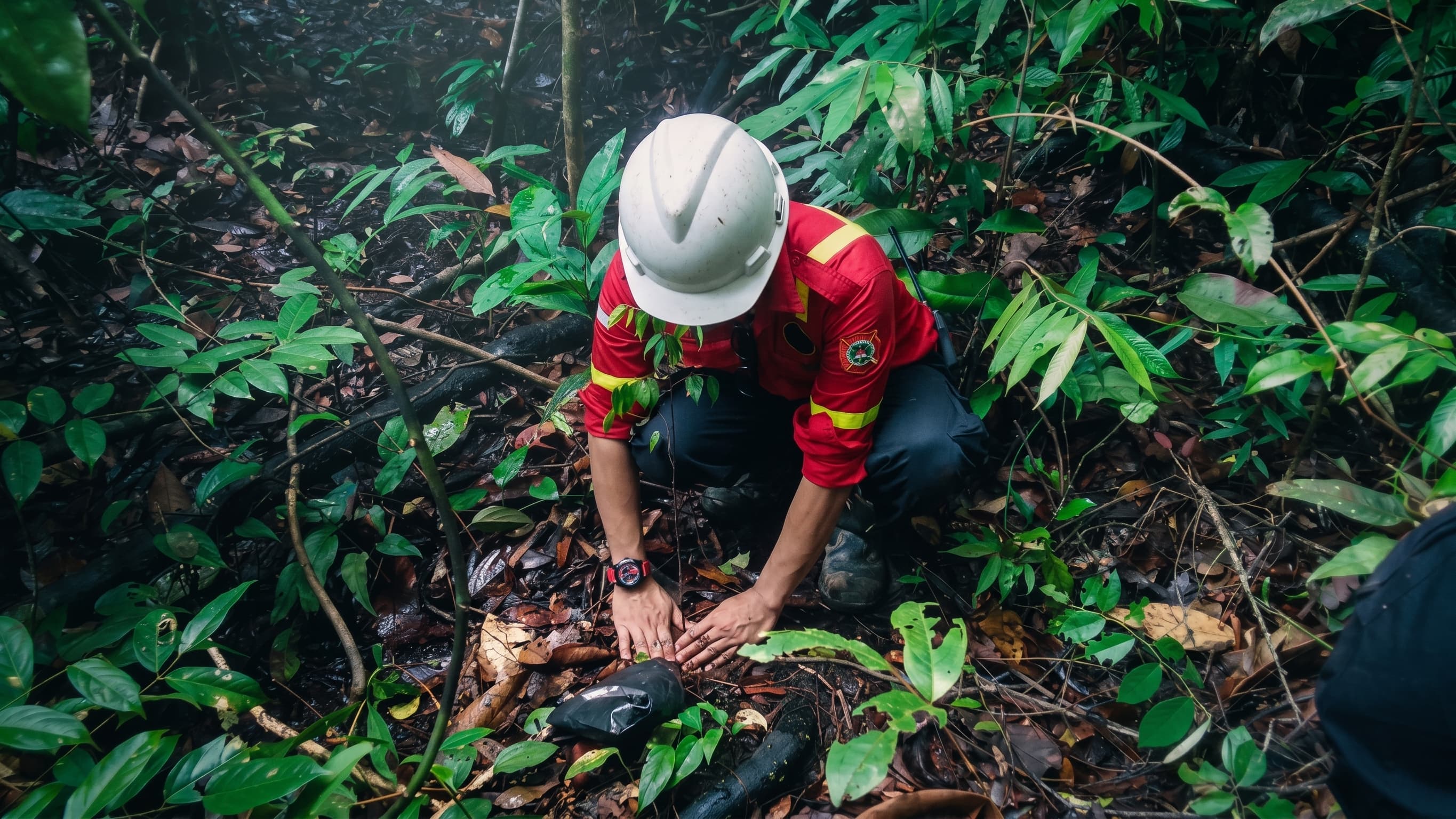
Sustainable Forest Management: The Core Pillar of Forest and Environmental Conservation
Read more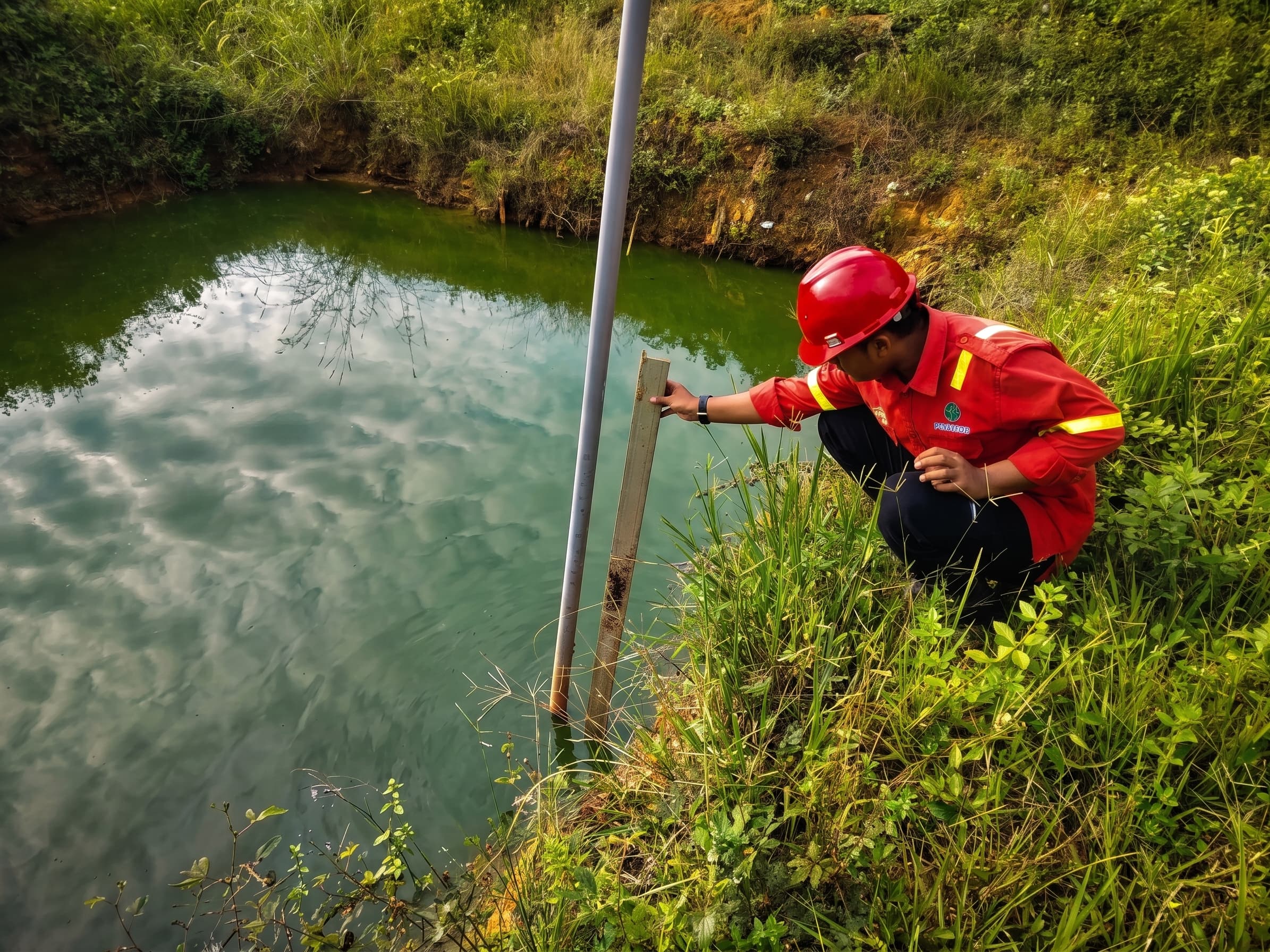 Operations & Field Activity
Enhancing Water Governance and Peatland Hydrology Management
Read more Environment & Biodiversity
Protecting Endangered Habitats: Conservation Commitments in Indonesian Borneo
Read more