


Mayawana Persada: A Profile of Modern Science-Based Production Forestry, Peatland Conservation, and Social Responsibility in West Kalimantan
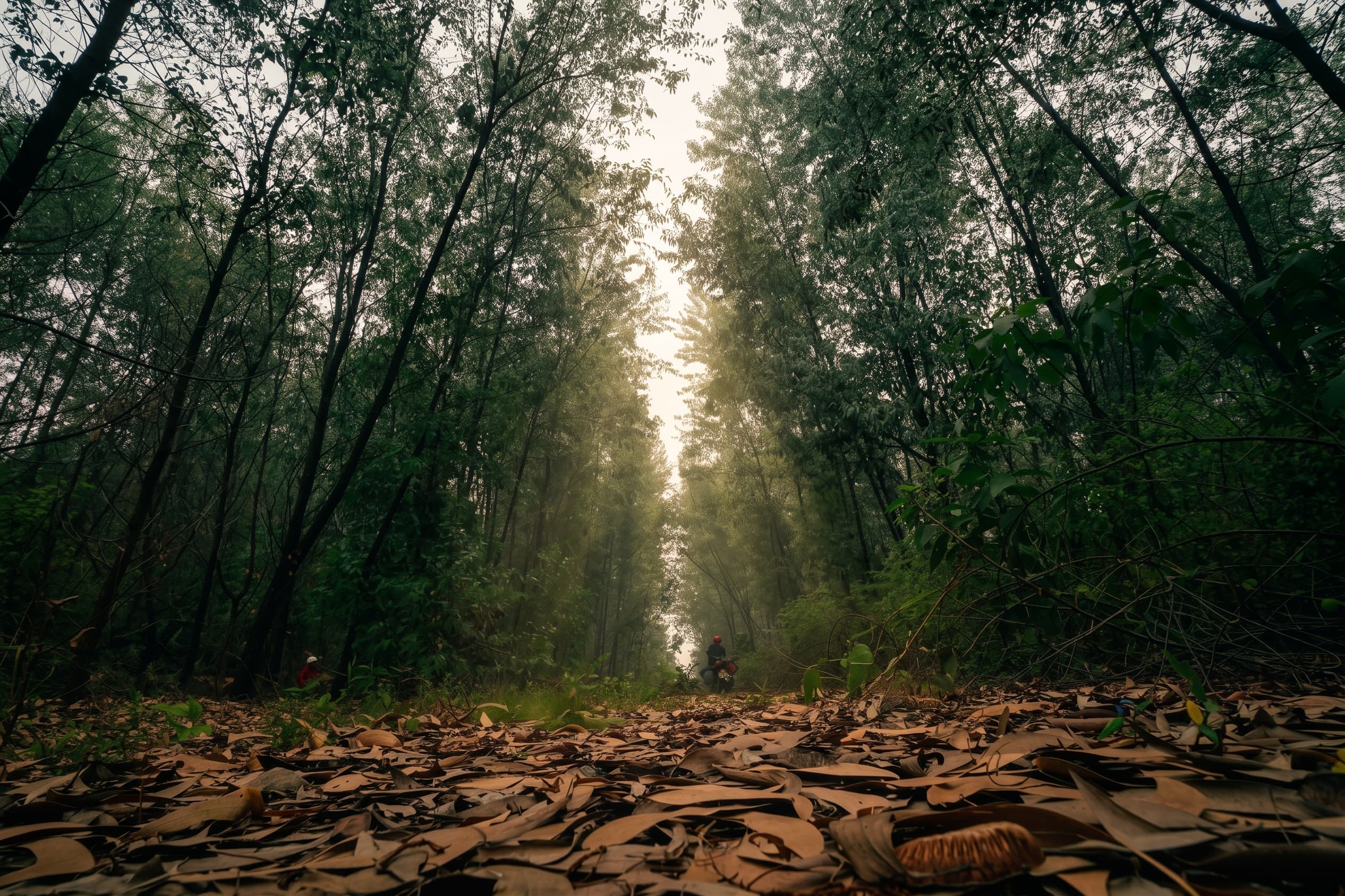
Explore PT Mayawana Persada’s PBPH concession model: 40 cm peat hydrological control, 71,000 ha conservation set-asides, and community partnerships.
Tropical forestry management in Indonesia is undergoing a fundamental transformation. The outdated view of commercial production forestry as mere timber extraction has evolved into a comprehensive mandate of integrated landscape management.
Within this contemporary framework, holders of a Forest Utilization Business License (PBPH) must balance production and stewardship: sustaining renewable commercial yields, restoring hydrological functions across fragile peatlands, safeguarding the habitats of endangered wildlife, and ensuring surrounding communities share directly in economic growth.
Across West Kalimantan, Mayawana Persada exemplifies this integrated model by aligning statutory operating mandates with environmental and social sustainability. Operating through science-based forestry practices, the concession demonstrates how precision eco-hydrology, empirical biodiversity monitoring, and indigenous community empowerment can be unified within a responsible corporate framework.
Operating Legality and Statutory Licensing: Securing Spatial PBPH Rights
Sustainable forestry rests on unambiguous regulatory compliance and legal clarity. Managing large landscapes without clear legal boundaries risks spatial conflict, illegal conversion, and uncoordinated land use.
PT Mayawana Persada carries out all field operations under formal statutory licenses granted by the Government of Indonesia:
- PBPH Operating License: Legally operates under a forestry utilization license (formerly designated as IUPHHK-HTI) granted pursuant to Forestry Ministerial Decree No. SK.723/MENHUT II/2010.
- Concession Territory: Manages an operating footprint encompassing 136,710 hectares across the administrative boundaries of Ketapang and North Kayong regencies in West Kalimantan.
- Structured 10-Year Business Work Plans (RKU): Ground operations, harvesting schedules, and conservation zoning are regulated through official 10-year RKU plans approved by the forestry ministry, establishing transparent demarcations between commercial compartments and permanent set-asides.
Water Management and Peat Ecosystem Restoration: Safeguarding Subsurface Stability
A significant portion of the concession rests on carbon-dense tropical peatlands. Peat domes consist of accumulated plant matter that requires year-round moisture; unmanaged drainage causes structural collapse, atmospheric carbon oxidation, and catastrophic subterranean smoldering combustion.
Guided by an official statutory Peatland Restoration Document, Mayawana Persada enforces strict hydrological engineering across its compartments:
- Enforcing the 40-Centimeter Water Table Threshold: Ground crews regulate the subsurface water table at a strict 40-centimeter threshold below the surface, utilizing a distributed network of piezometer wells and dataloggers to maintain continuous capillary moisture and block oxygen from entering the peat matrix.
- Modular Canal Blocking Architecture: Maintaining modular canal blocks across water channels to regulate runoff, preventing fresh water from rapidly draining away from the central peat dome into coastal river basins.
- Complete Sluice Gate Closures During Dry Periods: Ahead of seasonal dry spells or El Niño climate anomalies, water management teams seal all canal gates to lock millions of cubic meters of fresh water inside the landscape, preserving soil moisture and understory humidity.
- Revegetation with Resilient Native Peat Species: Planting open or disturbed sectors with indigenous peat swamp trees cultivated in dedicated in-situ nurseries—chiefly Ramin (Gonystylus bancanus), Jelutung (Dyera polyphylla), and Punak (Tetramerista glabra)—spaced along regular $5\times5$ meter grids and achieving a verified field survival rate of approximately 80 percent.
Landscape-Scale Conservation and Orangutan Safeguards: Connecting Habitats
Modern production forests no longer treat conservation set-asides as isolated, fragmented patches. Mayawana Persada integrates protected zones into a contiguous ecological network linked directly to regional biosphere corridors.
Empirical field research and habitat design guide these conservation measures:
- Expanding Designated Set-Asides to 71,000 Hectares: Under its revised RKU, the company advanced a spatial commitment expanding protected conservation zones from 37,000 hectares to 71,000 hectares, dedicating more than half of the total concession area to permanent non-production status.
- Independent Scientific Partnerships: Collaborating with academic researchers from the Faculty of Forestry at Universitas Tanjungpura (UNTAN) and field biologists from Ecositrop to conduct multi-year floral and faunal inventories.
- A 40-Camera Trap Network: Deploying 40 non-invasive camera traps across interior peat tracts and riparian buffers, recording continuous populations of sun bears (Helarctos malayanus) and Bornean orangutans (Pongo pygmaeus wurmbii).
- Biological Evidence of Breeding Populations: Field footage capturing nursing female orangutans carrying infants verifies that these protected compartments provide safe nesting sites, stable foraging canopy highways, and sufficient natural food trees.

Community Empowerment and Grassroots Partnerships: Shared Regional Prosperity
Forest conservation cannot succeed without the active collaboration of communities living along concession perimeters. Embracing community conservation, Mayawana Persada treats village residents as co-managers and vital partners in landscape protection.
The concession’s social partnerships are anchored in tangible economic incentives:
- Local Supply Chain Off-Taking: Directly purchasing locally grown produce—such as mineral-soil paddy rice, horticultural fruits, vegetables, and farmed freshwater fish—at stable floor prices to supply central worker mess facilities and field camps, insulating farmers from volatile middlemen.
- Village Cooperative (Koperasi Desa) Incubation: Providing administrative training, financial bookkeeping systems, and post-harvest facilities to independent village cooperatives, strengthening local commercial bargaining power in broader regional markets.
- Joint Wildfire Posts and Border Patrols: Establishing shared rapid-response wildfire posts (posko siaga karhutla) and deploying daily boundary patrols staffed jointly by concession fire units and local community volunteers to deter illegal encroachment and uncontrolled burning.
- Inclusive Land Governance via FPIC: Implementing the principle of Free, Prior, and Informed Consent (FPIC / PADIATAPA) across all operational planning, engaging Dayak and Malay customary leaders through structured village assemblies (Musyawarah Desa) to align concession boundaries with traditional land-use zones.
Global ESG Standards and Auditable Governance: Verifiable Supply Chains
In modern international commerce, environmental transparency and social accountability are fundamental prerequisites for commercial forestry. Mayawana Persada embeds Environmental, Social, and Governance (ESG) standards directly into its everyday managerial framework.
Operational accountability is maintained across multiple regulatory and international benchmarks:
- Sustainable Forest Management (PHL) Compliance: Adhering strictly to mandatory Indonesian statutory standards governing sustainable yield capacity, ecological protection, and social responsibility.
- International Certification Alignment: Aligning operating compartments with global responsible forestry principles, including IFCC/PEFC certifications, ISO 14001 Environmental Management Systems, and national occupational safety protocols (SMK3).
- Executive Management Review Meetings (RTM): Reviewing all empirical field monitoring data—from daily water table logs and camera-trap surveys to cooperative procurement records—during executive management reviews to inform ongoing field operations.

A Living Blueprint for Responsible Tropical Forestry
The ongoing operations at PT Mayawana Persada demonstrate that renewable commercial forestry and active ecological protection can reinforce each other. Backed by solid PBPH legal foundations, an expanded 71,000-hectare conservation blueprint, disciplined peat hydrology, and inclusive community partnerships, the concession establishes a practical model for contemporary tropical forestry.
Meeting the challenges of climate resilience and habitat preservation requires science-based execution on the ground: locking moisture into the peat sponge below, maintaining unbroken canopies for wildlife above, and building shared economic stability with forest-edge communities.
FAQ
What legal license governs PT Mayawana Persada’s operations?
The company operates under a statutory Forest Utilization Business License (PBPH/IUPHHK-HTI) granted pursuant to Forestry Ministerial Decree No. SK.723/MENHUT II/2010, covering 136,710 hectares across Ketapang and North Kayong regencies in West Kalimantan.
How does the concession manage its peatlands to prevent subsurface smoldering fires?
Operations follow an official Peatland Restoration Document by regulating the groundwater table at a strict 40-centimeter threshold via piezometer wells, completely closing modular canal sluice gates during dry seasons, and revegetating open areas with native peat swamp trees.
What is the total planned area dedicated to conservation within the concession?
Through its revised Business Work Plan (RKU), the company committed to expanding designated conservation zones from 37,000 hectares to 71,000 hectares, allocating more than half of the concession footprint to permanent ecological protection and carbon storage.
What scientific evidence confirms the protection of Bornean orangutans in the concession?
In partnership with Universitas Tanjungpura (UNTAN) and Ecositrop, a network of 40 camera traps regularly records healthy populations of Bornean orangutans (Pongo pygmaeus wurmbii) and sun bears (Helarctos malayanus), with footage of nursing mothers confirming the existence of safe breeding and foraging habitats.
How does Mayawana Persada partner with local forest-edge communities?
The company directly procures local agricultural yields and fish catches to supply its internal base camps, incubates independent Village Cooperatives, conducts joint wildfire patrols with local residents, and adheres to structured FPIC dialogue mechanisms with customary leaders before initiating field activities.
Read also
 Environment & Biodiversity
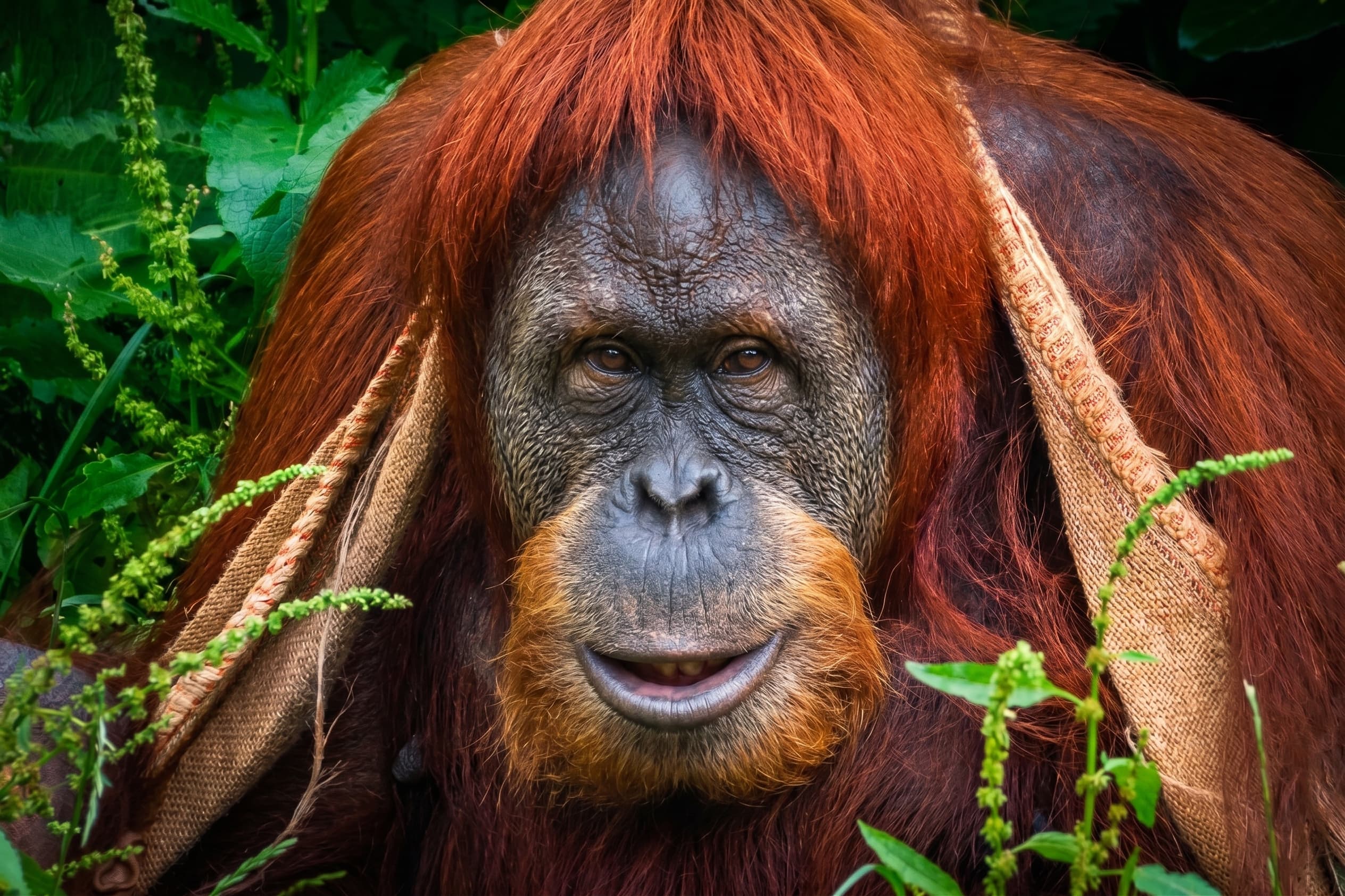
Unveiling the Bornean Orangutan: Characteristics, Behavior, Distribution, and PT Mayawana Persada’s Habitat Protection Efforts
Read more.jpeg&w=3840&q=75) Environment & Biodiversity
Environment & BiodiversityBurning Peatland: The Dynamics of Subterranean Smoldering and Science-Based Mitigation in Forestry Landscapes
Read more Environment & Biodiversity
Understanding Peatland: Characteristics and Environmental Importance
Read more