


Protecting Endangered Habitats: Conservation Commitments in Indonesian Borneo
Discover how sustainable forestry and science-based conservation commitments protect endangered habitats and wildlife in Indonesian Borneo.
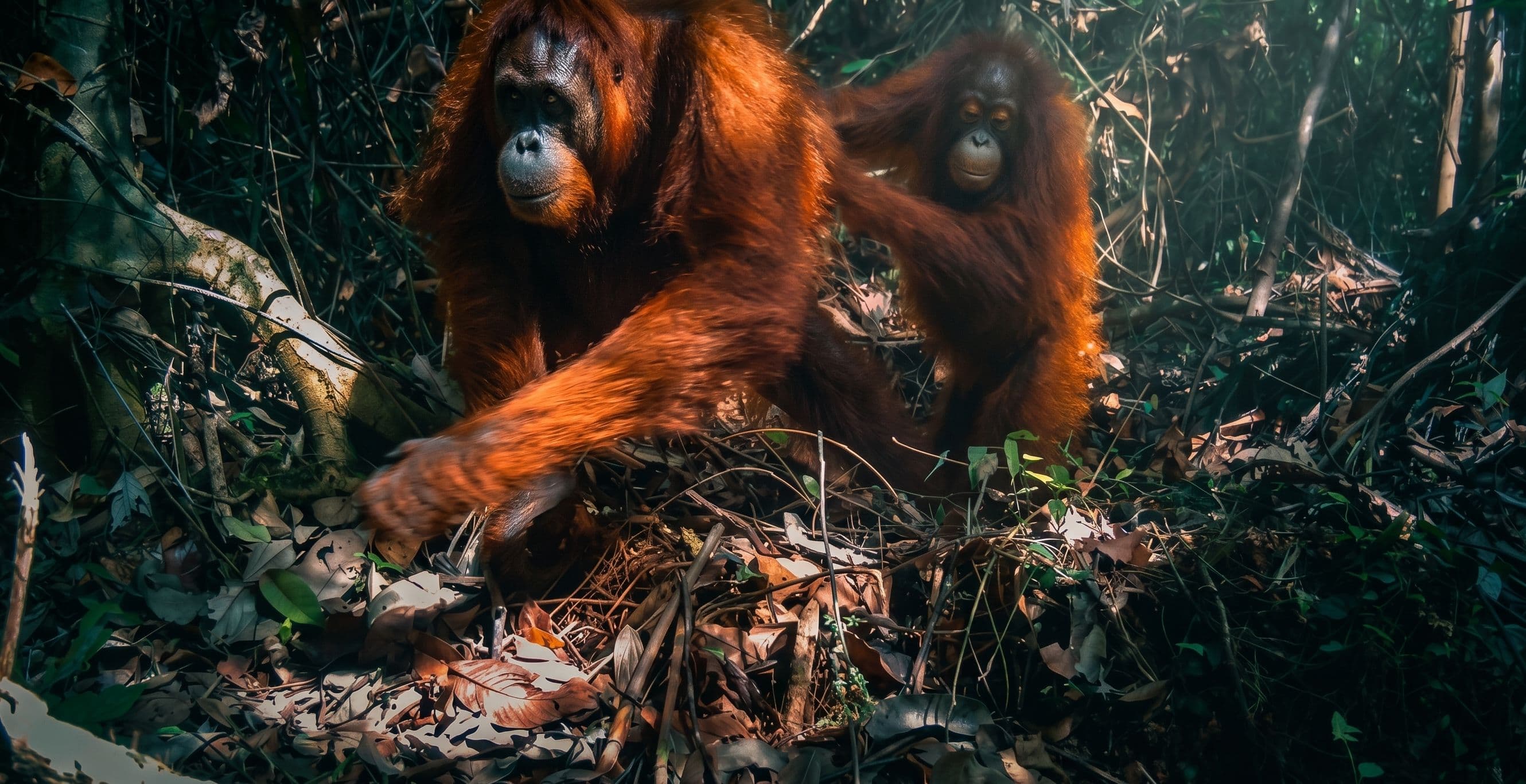
The tropical rainforests of Indonesian Borneo represent one of the earth's most vital ecological frontiers. Spanning rich biodiversity hotspots, these landscapes serve as indispensable natural reserves for globally significant species, most notably the critically endangered Bornean orangutan (Pongo pygmaeus). As international scrutiny on tropical forestry intensifies, balancing industrial operations with rigorous environmental protection has become a paramount priority for sustainable land management in regions like West and East Kalimantan.
The Ecological Significance of Bornean Ecosystems
Borneo’s rainforests and carbon-rich peatland ecosystems are foundational to global climate stability and regional biodiversity. These complex habitats provide essential ecological corridors for endemic wildlife. However, cumulative pressures from habitat fragmentation and land-use changes place tremendous strain on native flora and fauna.
Within forestry concession areas, safeguarding remaining natural forest blocks is crucial for maintaining ecological equilibrium. Conservation frameworks emphasize that protecting these zones is not merely about preserving isolated patches of trees, but about maintaining functional ecosystems capable of sustaining viable wildlife populations over generations.
Core Strategies for Habitat Preservation
To address mounting environmental challenges and respond to global sustainability expectations, corporate operators and conservation stakeholders are increasingly adopting science-based mitigation measures:
- High Conservation Value (HCV) Mapping: Identifying and legally protecting areas harboring critical biodiversity, rare ecosystems, or essential environmental services prior to any operational activity. As an implementation of best practices in this area, forestry operators like PT Mayawana Persada have integrated independent scientific research, such as partnerships with academic institutions for flora-fauna mapping and orangutan monitoring, to ensure transparent and measurable conservation outcomes.
- Peatland Hydrology Management: Restoring and maintaining the natural water table in carbon-rich peat landscapes to prevent degradation, mitigate fire risks, and maintain moisture levels.
- Wildlife Corridor Protection: Ensuring continuous canopy cover and restricted zones where endangered species, such as the Bornean orangutan, can move, forage, and breed safely away from industrial disturbances.
- Multi-Stakeholder Collaboration: Partnering with local communities, indigenous groups, and independent environmental organizations to monitor biodiversity, prevent illegal encroachment, and enforce conservation rules on the ground.

Moving Forward: Transparency and Global Standards
The increasing global interest in sustainable forestry, evidenced by a dramatic surge in international searches regarding protected areas and endangered habitats, reflects a permanent shift in market expectations. International investors, environmental watchdogs, and European and American regulatory bodies increasingly demand transparent reporting, robust environmental, social, and governance (ESG) metrics, and verifiable compliance with sustainable forest management certifications. Aligning industrial operations with rigorous ecological preservation remains the defining pathway to ensuring that Borneo's unique natural heritage endures for future generations.
Read also
 Environment & Biodiversity
More Than Just Land Clearing: The Blueprint for Sustainable Forestry Land Preparation
Read more.jpg&w=3840&q=75) Environment & Biodiversity
Environment & BiodiversityHow is Environmental Sustainability Measured in Timber Plantations? Key Indicators Explained
Read more.jpg&w=3840&q=75) Governance & Partnership
Governance & PartnershipGood Corporate Governance: Definition, Core Principles, Benefits, and Practical Implementation
Read more