


Sustainable Forest Management: The Core Pillar of Forest and Environmental Conservation
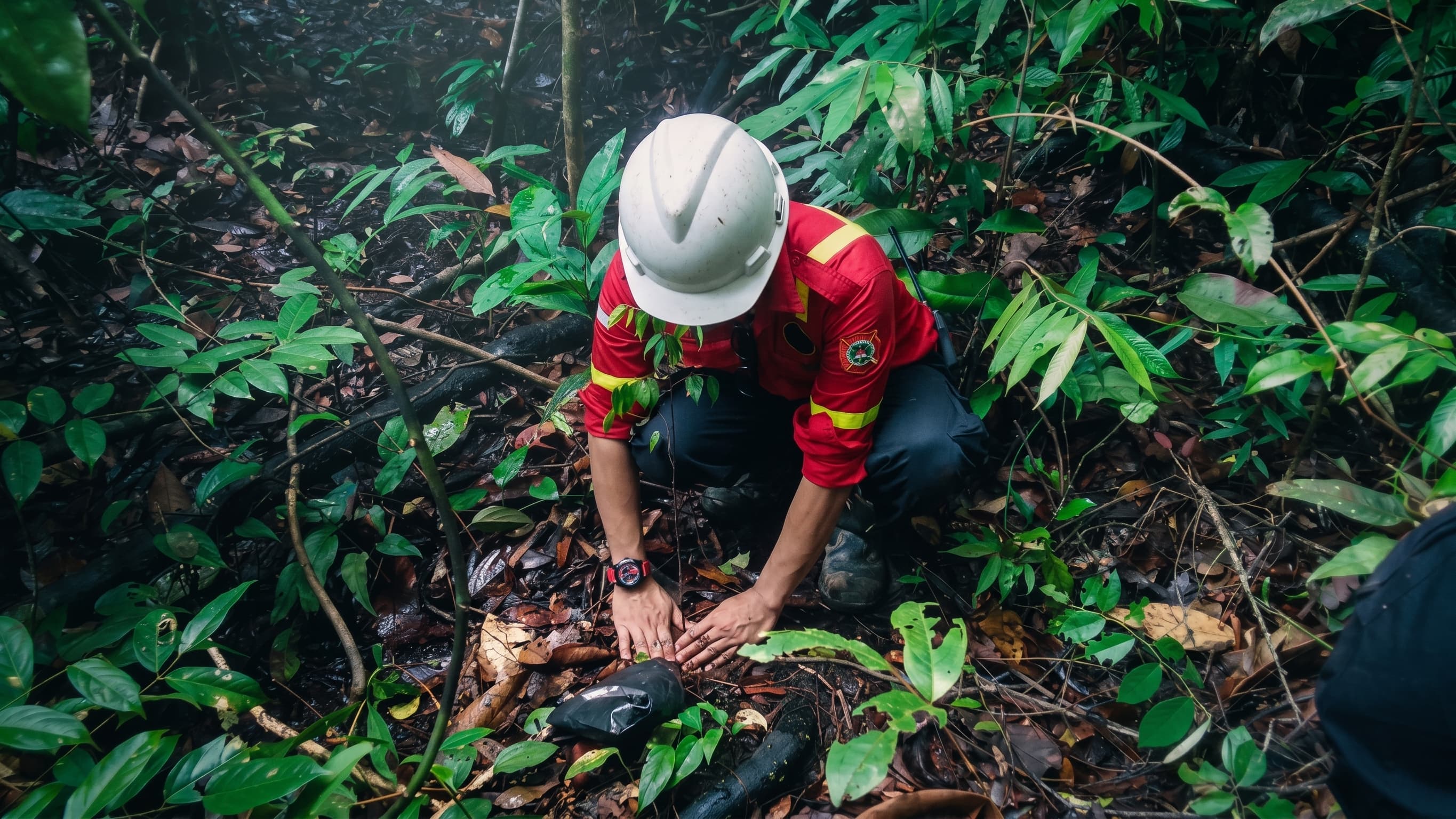
Learn the importance of sustainable forest management in balancing ecosystem health, protecting biodiversity, and supporting a sustainable environmental future.
Tropical rainforests worldwide, including those in Indonesia, play a crucial role as the lungs of the earth, regulators of the water cycle, and homes for millions of flora and fauna species. Amid escalating climate change challenges and growing industrial needs, implementing sustainable forest management has become an absolute necessity. This practice ensures that the utilization of forest products goes hand in hand with long-term conservation and environmental protection efforts.
Understanding Sustainable Forest Management
Sustainable forest management is far more than simply harvesting and replanting trees. The concept encompasses a comprehensive, measurable, and ecologically as well as socially responsible management system. Its goal is to meet the needs of the present generation without compromising the ability of future generations to meet theirs.
In practice, responsible forest management involves several key aspects:
- Protection of High Conservation Value (HCV) Areas: Identifying and securing areas with vital ecological functions before any operational activities are initiated.
- Hydrological Equilibrium: Maintaining ecosystem stability, particularly in sensitive regions like peatlands, through proper water management to prevent environmental degradation and fire risks.
- Compliance with Certification Standards: Ensuring that all operational processes comply with national regulations and credible international forestry certification standards.

Real-World Evidence in the Field: Research Collaboration and Habitat Protection
The implementation of sustainable forest management delivers broad positive impacts, both ecologically and socio-economically. As a tangible real-world example, a science-based forestry approach has been put into practice through a strategic collaboration between PT Mayawana Persada and the Faculty of Forestry at Universitas Tanjungpura (UNTAN).
Through independent research led by the Dean of the Faculty of Forestry at UNTAN, Dr. Ir. Farah Diba, S.Hut., M.Si., IPU., the research team combined transect methods and the deployment of 40 camera traps across the company's conservation areas for over two months. The findings yielded crucial insights for ecosystem sustainability:
- Healthy Ecosystem Indicators: The camera traps successfully captured the presence of sun bears, various bird species, and a rare moment: a mother orangutan carrying her infant. The presence of these wildlife species confirms that the conservation area is capable of providing sufficient food sources and safe breeding grounds, while possessing High Conservation Value (HCV).
- Execution of Research Recommendations: Following up on these findings, PT Mayawana Persada committed to maintaining HCV zones as permanent conservation areas and constructing integrated wildlife corridors so that the natural movement of wildlife is not interrupted by concession boundaries.
Addressing Global Demands and Transparency
Today, international attention toward forestry practices continues to intensify. The surge in global interest regarding environmental issues reflects a major shift wherein global markets, investors, and regulatory bodies increasingly demand transparency, sustainability reports, and the implementation of rigorous environmental, social, and governance (ESG) standards.
Through a commitment to sustainable forest management and the integration of scientific data—such as the collaboration between PT Mayawana Persada and UNTAN—forestry industry players demonstrate that industrial activities and environmental protection can run in harmony transparently and measurably.
Read also
 Environment & Biodiversity
6 Essential Aspects of Water Management in Sustainable Forestry Operations
Read more.jpg&w=3840&q=75) Environment & Biodiversity
Environment & BiodiversityWhat is an Industrial Timber Plantation? Understanding Regulations and Field Practices
Read more Environment & Biodiversity
Sowing Quality, Powering Communities: The Crucial Role of PT Mayawana Persada’s High-Tech Nursery
Read more