


World Tree Day: Why Tree Planting Matters for the Planet
On World Tree Day, discover why planting trees is more than putting saplings in the ground—from endemic revegetation to landscape-scale conservation.
Every year, World Tree Day serves as a vital reminder of how indispensable trees are to life on Earth. Trees are far more than decorative green elements enhancing our landscapes. Behind every growing tree lies an active engine for climate regulation, biodiversity support, water table stability, and the socio-economic welfare of neighboring communities.
For us at PT Mayawana Persada, the spirit of tree planting does not end with placing a seedling into the soil. Planting is merely the opening step of a far longer journey: ensuring that each tree survives, thrives, and provides lasting ecological functions for the broader ecosystem.
What Is World Tree Day?
World Tree Day is an annual global momentum dedicated to raising public awareness about the critical importance of trees for planetary survival and environmental sustainability.
Trees deliver multifaceted benefits, including:
- Sequestering carbon dioxide and mitigating climate change impacts;
- Regulating hydrological cycles and preserving topsoil quality;
- Supporting regional biodiversity and providing vital wildlife habitats;
- Maintaining overall ecological balance; and
- Generating lasting socio-economic value for local populations.
This commemoration also serves as a reminder that tree planting is never about merely inflating headcounts. It requires rigorous species matching, disciplined silvicultural care, periodic growth auditing, and active interventions to ensure trees reach full maturity.
Within PT Mayawana Persada, this philosophy translates into structured, planned revegetation across our sustainable tree plantations—integrating specialized seedling propagation, field planting, survival monitoring, and rapid infilling of non-surviving saplings.
More Than Just Putting Saplings in the Ground
Trees play an irreplaceable role in preserving environmental equilibrium. Forest vegetation absorbs atmospheric carbon, stabilizes watersheds, prevents topsoil erosion, and provides essential food sources and shelter for endangered fauna. In sensitive tropical peat ecosystems, restoring vegetation is paramount to safeguarding landscape-scale hydrological and carbon functions.
Consequently, revegetation demands disciplined, systematic execution. At PT Mayawana Persada, restoration protocols are governed by formal peat recovery documents detailing designated planting coordinates, permanent monitoring plots, and standardized compliance reporting. Species selection prioritizes indigenous and endemic peat-swamp species, which possess superior physiological adaptability to local soil and water chemistry.
This scientific framework proves that planting success is never evaluated solely by gross planting figures. Botanical suitability, edaphic conditions, planting precision, and post-planting husbandry all play decisive roles.
Stages of Revegetation at PT Mayawana Persada

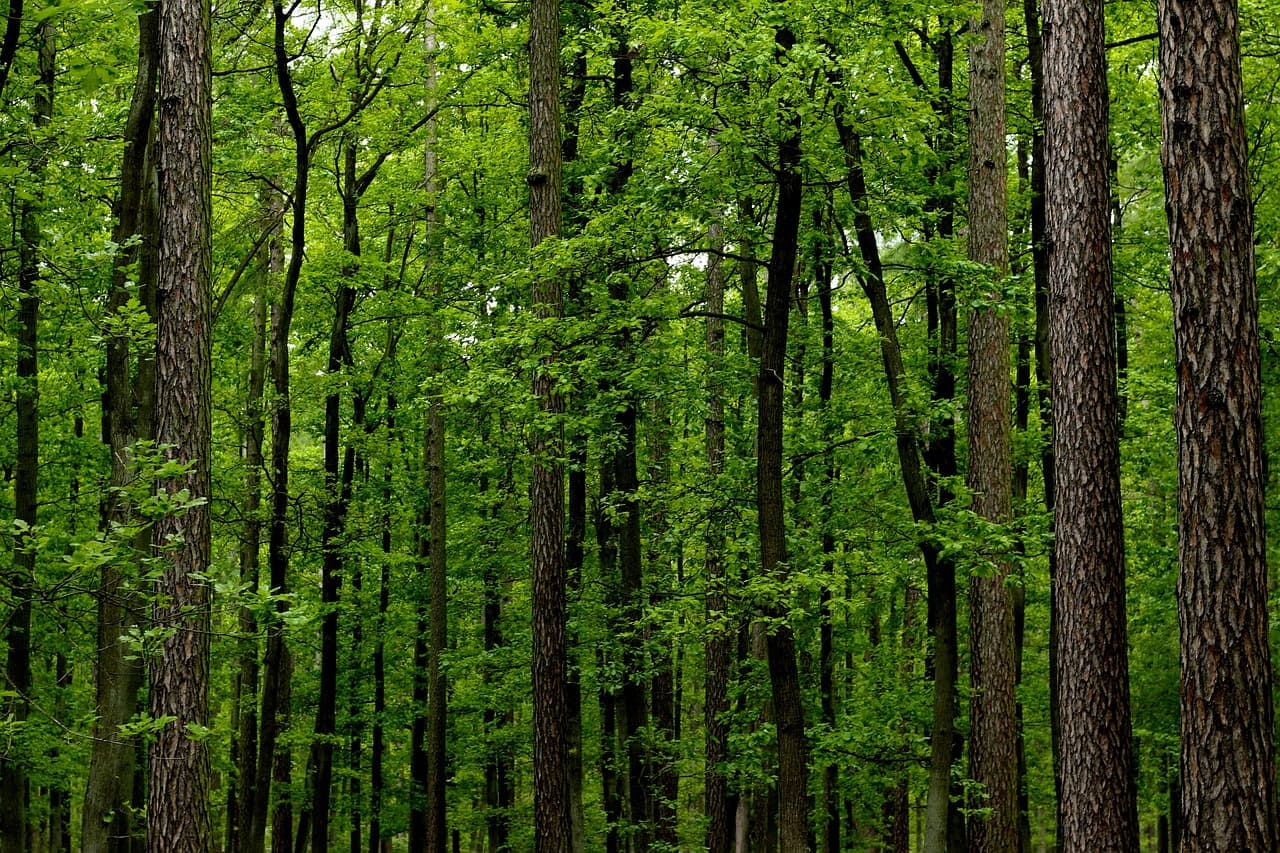
Source: Pixabay (Image for illustrative purposes only)
Conditioning Seedlings for Field Survival
A critical prerequisite for successful revegetation is ensuring seedlings possess the physiological resilience needed to withstand field conditions. To support this, revegetation stock at PT Mayawana Persada is propagated in a dedicated internal nursery constructed directly within the natural forest interior.
Locating the nursery inside the natural forest ensures young plants naturally acclimate to the ambient microclimate, humidity, and solar exposure of target planting sites. In the field, planting follows a standardized 5×5-meter grid—an engineered layout designed to optimize root development and canopy closure.
Ensuring Trees Continue to Thrive
Under genuine sustainability principles, seedling mortality or stunted growth cannot simply be accepted as an operational write-off. Field teams conduct comprehensive monitoring audits every six months, measuring total height and stem diameter to record vegetative development and evaluate recovery progress.
Seedlings that fail to survive are replaced immediately through systematic infilling. This disciplined intervention is crucial because authentic ecological restoration requires unbroken consistency.
Currently, the recorded revegetation survival rate stands at approximately 80%. This figure highlights that tree planting must be treated as a multi-year stewardship process requiring empirical tracking and corrective maintenance, rather than a superficial numbers game.
Planting for Wildlife and Engaging Communities

Source: Pixabay (Image for illustrative purposes only)
Trees provide the physical architecture of wildlife habitats. Therefore, revegetation strategies look beyond vegetative greening to actively reinforce ecosystem functions.
In accordance with academic recommendations, the company prioritizes planting native fruit-bearing trees across conservation buffer zones to expand foraging grounds for Bornean orangutans. Through targeted enrichment, revegetation directly revitalizes degraded habitats while creating safer corridors for wildlife movement.
Simultaneously, long-term forest stewardship remains inseparable from neighboring human populations. PT Mayawana Persada is currently rolling out collaborative revegetation initiatives that directly involve local villagers. Community participation cultivates shared landscape ownership while establishing independent grassroots credibility in conservation governance.
For us, local residents are not merely passive recipients of a healthy environment—they are essential partners in safeguarding its future.
From Individual Trees to Landscape-Scale Conservation
Ultimately, the true message of World Tree Day transcends planting individual trees. It reminds us that every tree forms an integral node within a larger ecological network.
At PT Mayawana Persada, revegetation is integrated into landscape-scale conservation goals. Plans to expand designated conservation areas from 37,000 hectares to 71,000 hectares are currently being formalized within the revised 10-Year Forest Work Plan (RKU). Tree planting is thus fully embedded in a long-term, comprehensive vision for landscape stewardship.
Conclusion
On World Tree Day, we believe the defining question is not just "how many trees were planted?" but rather "how many trees successfully survived to deliver enduring ecological and social value?"
Planting a seedling is merely the beginning. Nurturing that tree until it stands tall as a functioning pillar of the ecosystem is our enduring responsibility to the future of our planet.
FAQ
What is World Tree Day?
World Tree Day is an annual global observance designed to raise awareness about the critical role trees play in environmental stability. From carbon sequestration, water table regulation, and soil protection to wildlife habitat preservation.
Why is planting trees essential for the Earth's future?
Trees stabilize planetary ecosystems and serve as major terrestrial carbon sinks. Beyond climate mitigation, they regulate freshwater basins, support complex food webs, provide habitats for endangered species, and underpin the welfare of forest fringe communities.
How does PT Mayawana Persada execute its revegetation program?
Revegetation is guided by official peat recovery plans incorporating geo-referenced planting locations, permanent monitoring plots, and standardized audit protocols. Planting schedules prioritize native, site-adapted species.
Why are endemic species prioritized in revegetation?
Endemic species have naturally evolved to endure local soil hydrology and climatic conditions. Planting indigenous stock ensures higher survival rates, speeds up ecological recovery, and re-establishes natural food sources for native wildlife.
Read also
 Environment & Biodiversity
Sustainable Forest Management: The Core Pillar of Forest and Environmental Conservation
Read more Operations & Field Activity
Enhancing Water Governance and Peatland Hydrology Management
Read more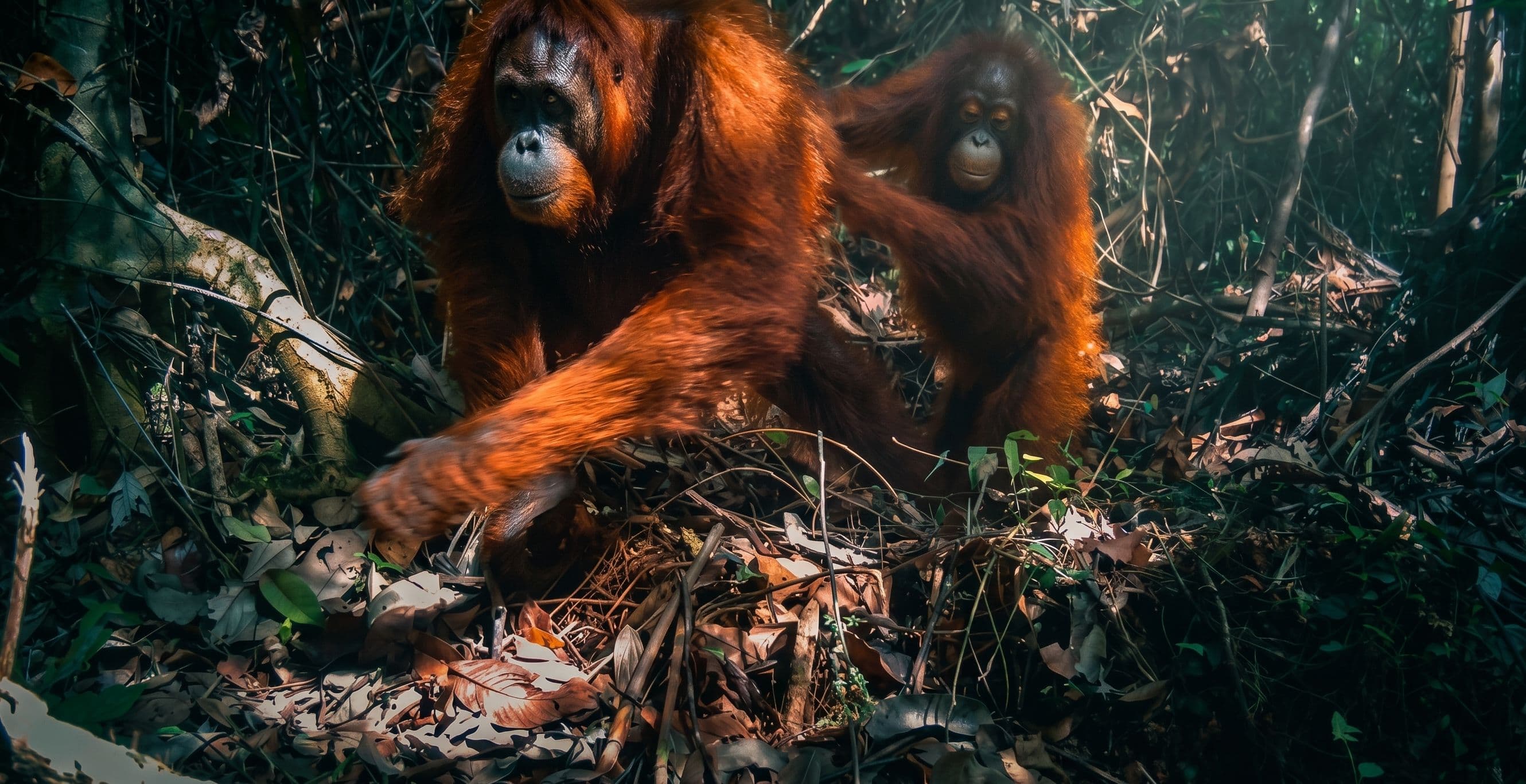 Environment & Biodiversity
Protecting Endangered Habitats: Conservation Commitments in Indonesian Borneo
Read more